

Driven by the accelerating global aging of the population, advancements in rehabilitation medicine, and the rapid development of smart assistive devices, electric wheelchairs have evolved from traditional medical aids into essential tools for the daily mobility of people with limited mobility. Whether in hospitals, rehabilitation centers, and elderly care facilities, or in urban communities, parks, shopping malls, and home environments, one increasingly sees elderly individuals, people with disabilities, and patients with limited mobility using electric wheelchairs. At the same time, discussions surrounding electric wheelchairs have intensified, with one of the most prominent questions being: "Is it legal to use an electric wheelchair on public roads?"
While this question might seem to call for a simple "legal" or "illegal" answer, it actually involves a complex array of factors, including traffic regulations, medical device management, public road usage, safe driving standards, and the legal systems of different countries and regions. Legal classifications of electric wheelchairs vary across nations; even within a single country, regulatory requirements may differ based on road type, product specifications, and the intended use. Therefore, accurately answering whether using an electric wheelchair on public roads is legal requires a comprehensive analysis that considers laws and regulations, product characteristics, and actual usage scenarios, rather than a sweeping generalization.
In recent years, data on population aging released by the United Nations indicates a steady rise in the global population aged 60 and older, with more seniors relying on electric wheelchairs to maintain their independence. The World Health Organization (WHO) has also noted that assistive technology products can significantly improve the quality of life and social participation of people with limited mobility. Against this backdrop, balancing the mobility rights of electric wheelchair users with the need to maintain traffic order and public safety has become a key issue of ongoing concern for many countries.
What is an electric wheelchair?
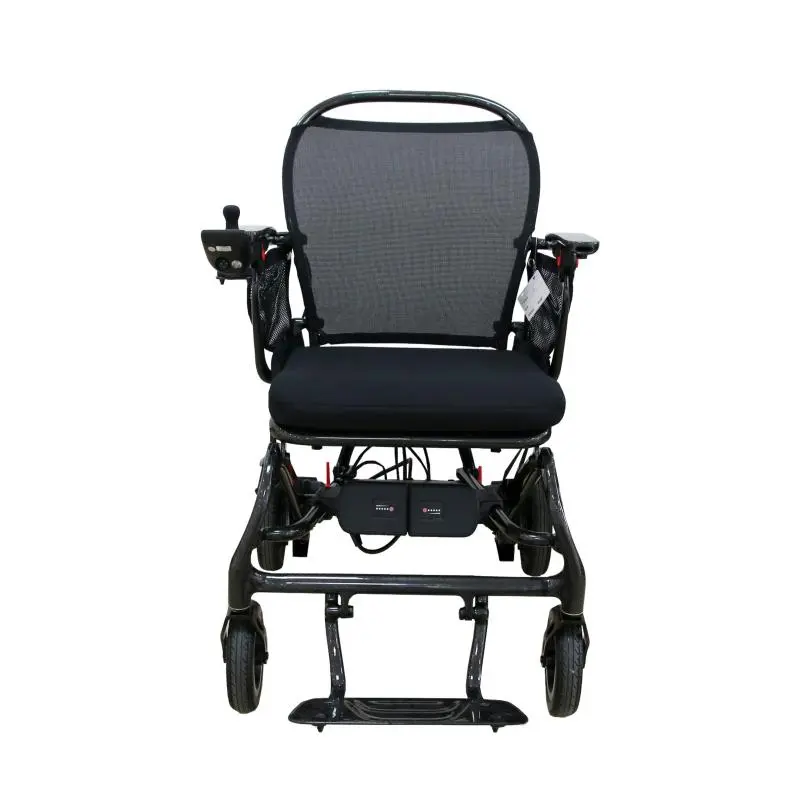
An electric wheelchair (or power wheelchair) is an assistive mobility device powered by a battery-driven electric motor and controlled via a joystick, buttons, or a smart control system. Compared to traditional manual wheelchairs, electric wheelchairs enable individuals with limited mobility to move independently, drastically reducing the physical exertion required from the upper body and enhancing their independence in daily life.
Modern electric wheelchairs typically consist of a frame, drive motors, a battery, a controller, a braking system, a seat, and footrests. Some high-end models are equipped with features such as electric backrest adjustment, seat elevation, anti-tip mechanisms, smart navigation, Bluetooth connectivity, and GPS tracking; these not only enhance comfort but also improve safety.
It is important to emphasize that most electric wheelchairs are classified as mobility aids rather than standard modes of transport. They are designed primarily to assist individuals with limited mobility in navigating short distances during daily life, rather than serving the high-speed transportation functions associated with motorcycles or electric scooters.
Is it legal to use an electric wheelchair on the road?
There is no single international answer to the question of whether using an electric wheelchair on the road is legal, as traffic regulations and medical device management systems vary by country.
Generally speaking, most countries and regions classify power wheel chairs—provided they are intended for medical assistance, operate at low speeds, and are primarily used by individuals with mobility impairments—as mobility aids rather than motor vehicles. Consequently, these wheelchairs typically do not require a driver's license, vehicle registration, or motor vehicle insurance for operation.
However, this does not mean power wheel chairs can be driven freely on any road. Many countries have specific regulations regarding where they may be used. For instance, electric wheelchairs are usually permitted on sidewalks, residential roads, park paths, hospital grounds, and within commercial complexes. Conversely, access to high-traffic areas—such as motor vehicle lanes, highways, and expressways—is typically prohibited or strictly restricted to ensure the safety of both the user and other road users.
Therefore, determining the legality of using an electric wheelchair depends not only on the product itself but also on the location, the type of road, and local laws and regulations.
Why do most countries allow electric wheelchairs on the road?
Many countries permit the use of compliant power wheel chairs in public areas for several key reasons.
First, electric wheelchairs are vital mobility aids that uphold the right to travel for people with disabilities and those with limited mobility. For many users, an electric wheelchair is not merely an optional mode of transport but an essential means of shopping, seeking medical care, working, and participating in social activities. A total ban on power wheel chairs on public roads would directly impact the daily lives of these individuals.
Second, modern power wheel chairs are typically designed to operate at low speeds. Many models have a top speed of only about 6 to 10 km/h—comparable to the pace of an average adult walking or jogging—so when used in appropriate environments, they pose relatively little risk to public safety.
Furthermore, an increasing number of cities are developing accessible transport infrastructure—including ramps, elevators, lowered curbs, sidewalk modifications, and accessible public transit systems—creating conditions that facilitate the safe and legal use of power wheel chairs.
Where can electric wheelchairs be driven?
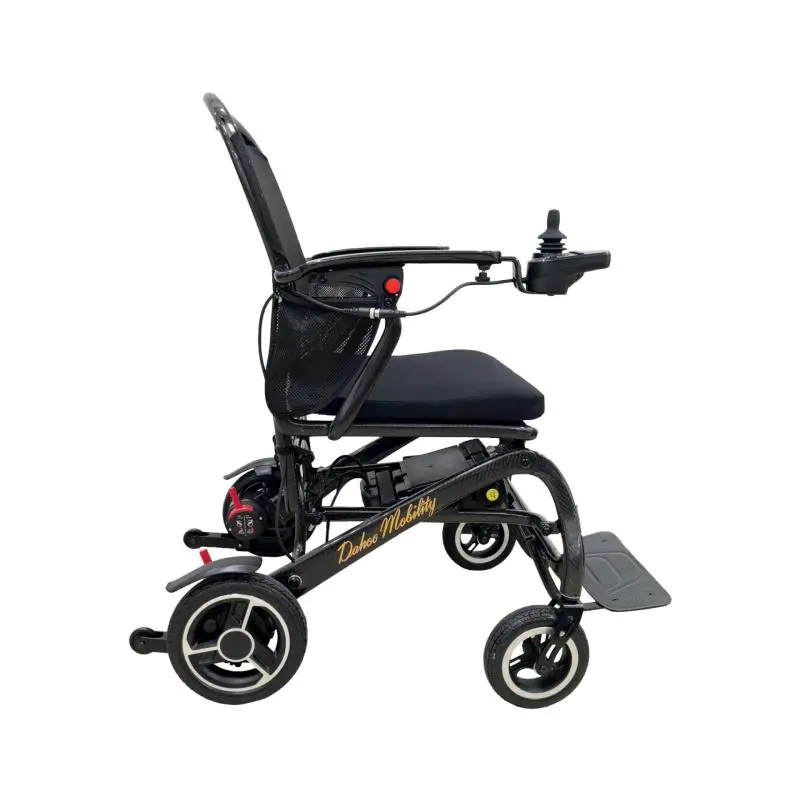
Generally, power assist wheelchairs are best suited for use on sidewalks, community roads, public squares, parks, commercial centers, hospital grounds, elderly care facilities, and internal residential roadways. These areas feature lower vehicle speeds and relatively safe traffic conditions, aligning with the intended use of power wheel chairs.
Electric wheelchairs can usually travel safely on sidewalks equipped with accessible pathways; however, users should yield to pedestrians and avoid speeding or making sudden turns to minimize the risk of collisions.
Most countries advise against—or even prohibit—standard power wheel chairs from entering motor vehicle lanes. This is because motor vehicles travel at much higher speeds, placing individuals with limited mobility at a significant disadvantage in the event of a collision.
Regulations regarding bicycle lanes vary by region. Some areas permit low-speed power wheel chairs to use bicycle lanes for short distances, while others mandate the use of sidewalks. Users should therefore familiarize themselves with local regulations before heading out.
What safety principles should be followed when using an electric wheelchair?
Although most regions permit compliant power assist wheelchairs on public paths, safety must not be overlooked. Safe operation is crucial not only for the user's own well-being but also for the safety of nearby pedestrians and other road users.
First, maintain a reasonable speed. In crowded areas, proactively reduce speed based on the surroundings to prevent collisions caused by insufficient braking distance.
Second, stay attentive. While operating the wheelchair, avoid looking down at a mobile phone, talking on the phone for extended periods, or engaging in other distracting activities.
Additionally, regularly inspect components such as tires, the battery, brakes, the controller, and lighting systems to ensure the wheelchair remains in good working order. When traveling at night, activate front and rear lights or use reflectors to enhance visibility. When encountering slopes, slippery surfaces, snow, or gravel, slow down and seek assistance if necessary to prevent tipping over or losing control due to challenging road conditions.
Differences Between Electric Wheelchairs and Mobility Scooters
Many consumers confuse electric wheelchairs with mobility scooters, yet there are distinct differences between the two.
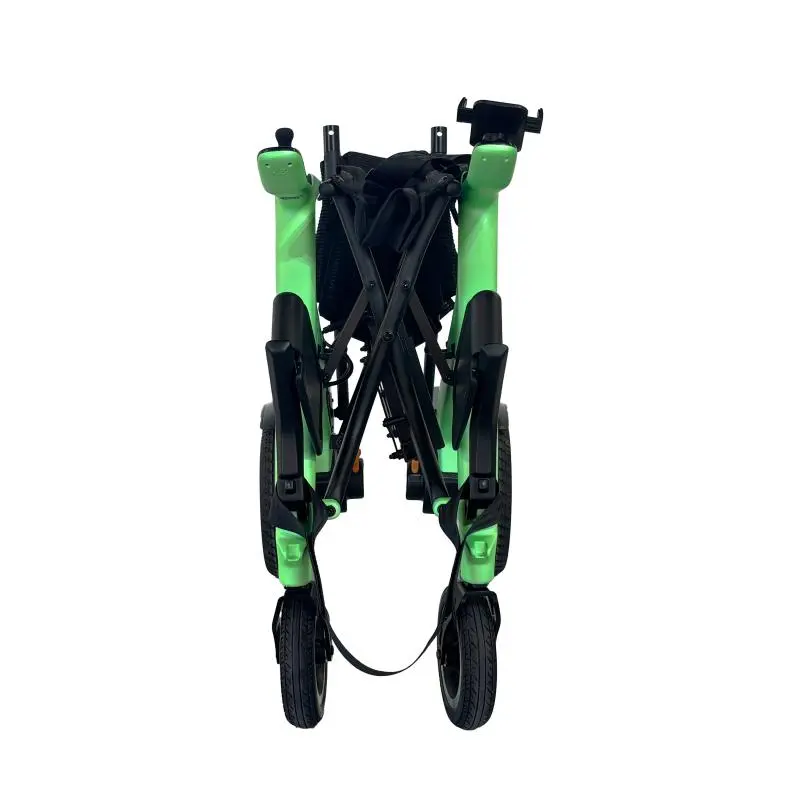
Electric wheelchairs are primarily designed for individuals with limited mobility, emphasizing medical assistance and support for daily living; they typically feature more stable seating, offer finer control, and have a relatively lower top speed.
In contrast, mobility scooters are aimed at individuals who retain some mobility but have limited walking range; these products are larger, offer greater range, and some models travel significantly faster than standard power wheel chairs. Some countries impose stricter regulations on mobility scooters than on power wheel chairs, so it is important to understand the product category and applicable laws before purchasing.
Using Electric Wheelchairs Legally and Safely
For users, simply knowing whether usage is legal is not enough; it is crucial to operate power wheel chairs in a manner that is legal, safe, and considerate of others.
When purchasing, prioritize legitimate products that meet relevant national or regional standards, and avoid equipment that has been illegally modified, is excessively fast, or lacks quality assurance. During use, observe local traffic laws, travel only in designated areas, and avoid entering motor vehicle lanes or other restricted zones.
Additionally, cultivate good driving habits—such as yielding to pedestrians, slowing down at intersections, avoiding driving against the flow of traffic or under the influence of alcohol, and performing regular maintenance. First-time users should familiarize themselves with the controls in a safe, open area before operating the device in public spaces.
FAQ
Q1: Are power assist wheelchairs classified as motor vehicles?
A: In many countries and regions, power assist wheelchairs that meet medical assistance purposes and relevant standards are generally not classified as motor vehicles; however, specific regulations depend on local laws.
Q2: Is a driver's license required to operate a power assist wheelchair?
A: In most regions, a driver's license is not required for standard power assist wheelchairs, though different rules may apply to specialized models or high-performance products; please consult local regulations.
Q3: Can power assist wheelchairs be driven on sidewalks?
A: In most cases, yes, but users should yield to pedestrians, control their speed, and comply with local regulations regarding accessibility and road usage.
Q4: Can electric wheelchairs be driven in traffic lanes?
A: Generally, this is not recommended and may be prohibited by law, unless local regulations explicitly permit it or special circumstances exist.
Q5: What is the typical top speed of an electric wheelchair?
A: It varies by model; common products have a top speed of approximately 6 to 10 km/h, though some are designed with speed limits to comply with regulations.
Q6: Can power wheel chairs be used in the rain?
A: Some models can be used in light rain, but users should prioritize slip resistance, waterproofing, and electrical safety, and avoid driving through deep water.
Q7: What factors should be considered when purchasing an electric wheelchair?
A: Key factors include product quality certifications, weight capacity, driving range, battery type, braking performance, after-sales service, and compliance with local regulations.
Q8: Do power wheel chairs require regular maintenance?
A: Yes. Components such as the battery, motor, controller, tires, brakes, and connections should be checked regularly to keep the device in good working order.
Q9: What should elderly users keep in mind when using a power assist wheelchair for the first time?
A: It is recommended to practice operating the chair in a safe, open area to get familiar with acceleration, steering, and braking, and to gradually adapt to it with the assistance of a family member.
Q10: What is the future direction of power assist wheelchair development?
A: Future developments will focus on smart technology, lightweight designs, automatic obstacle avoidance, remote monitoring, and personalized assistance, aiming to provide a safer, more efficient, and more comfortable mobility experience for people with limited mobility.