

For many wheelchair users, a wheelchair is not just an assistive mobility tool, but also the foundation for their interaction with the world. However, prolonged wheelchair use is not without its costs.
Medical research and rehabilitation practice both indicate that wheelchair users should not sit continuously in their wheelchairs for more than 4 hours a day, otherwise it may lead to a series of health risks.
This article will systematically answer this question based on science and ergonomics: Why should wheelchair users only sit for a maximum of 4 hours a day?
We will delve into multiple aspects, including physiological burden on the body, risk of skin pressure, spinal posture problems, blood circulation, wheelchair structural design, and muscle compensation mechanisms, to give readers a comprehensive understanding of the scientific basis for the "4-hour limit."
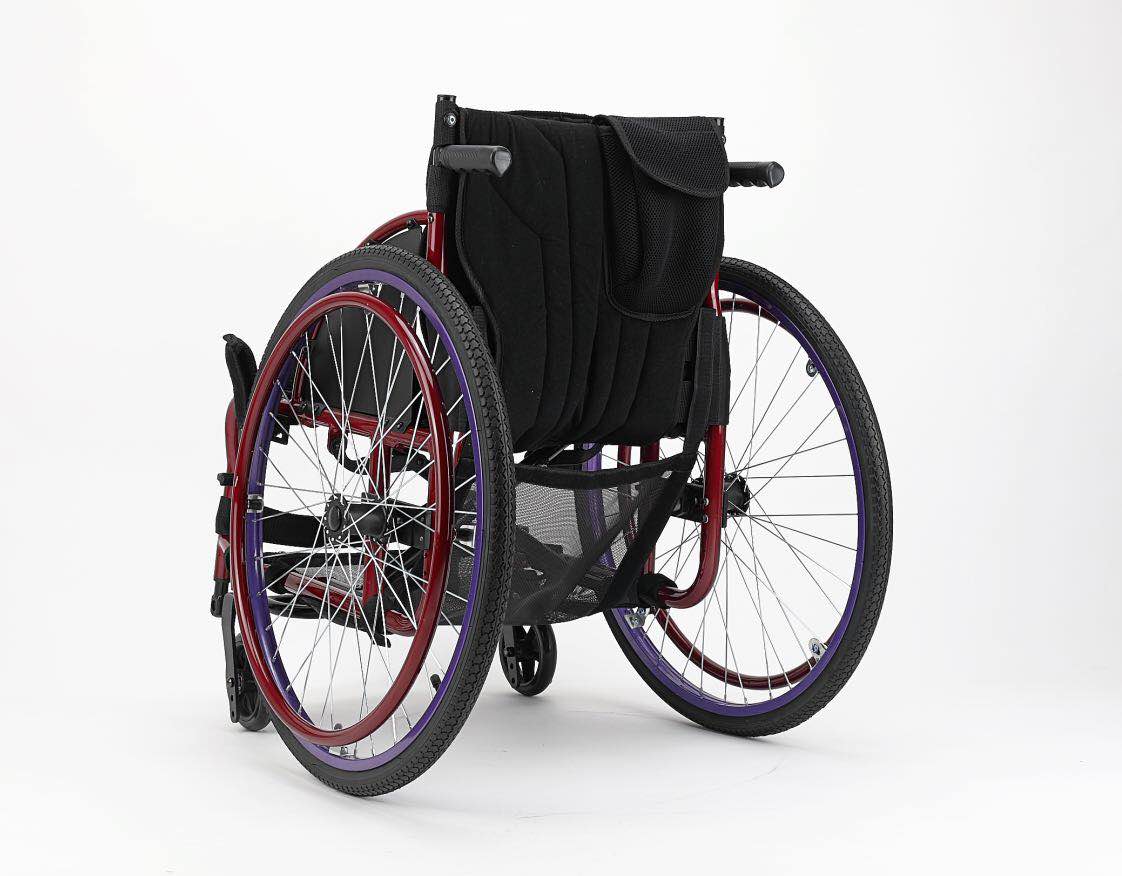
What hidden harm does prolonged wheelchair use cause to the body?
Many people mistakenly believe that the longer they sit in a wheelchair, the more convenient it is, especially those who rely on wheelchairs for mobility. However, in reality, the static burden of wheelchair posture is far greater than we imagine.
1. Concentrated Pressure and Obstructed Blood Circulation
When a person sits in a wheelchair for a long time, the body's weight is concentrated on the buttocks, tailbone, and back of the thighs.
The continuous pressure on these areas leads to local tissue ischemia and hypoxia. Over time, this can result in:
• Skin redness and numbness;
• Decreased local temperature;
• Tissue necrosis, forming pressure sores (bedsores).
Medical research shows that after sitting continuously for more than 4 hours, skin pressure may exceed the capillary tolerance threshold, and the risk remains even with a cushion.
2. Muscle Stiffness and Joint Degeneration
Prolonged fixed posture leads to a lack of muscle and ligament movement.
For wheelchair users, especially the spine, back, hip, and knee joints, mobility gradually decreases, leading to:
• Muscle tension imbalance;
• Reduced joint range of motion;
• Lumbar spine deformation or kyphosis.
These phenomena all indicate that wheelchairs are not necessarily better the longer you sit; they should be used moderately and the user's position should be changed regularly.
Why does medicine recommend "readjusting posture every 2 hours"?
A key recommendation frequently mentioned in wheelchair user guidelines is to adjust posture or get up and move around every 2 hours.
This doesn't contradict the "maximum of 4 hours of sitting per day" rule—both are based on the core logic of avoiding continuous pressure and metabolic disorders.
1. The Impact of Wheelchair Posture on Skin Pressure
No matter how advanced the wheelchair seat, as long as the body remains still, pressure will continuously concentrate between the buttocks and the seat.
Two hours is the average safe threshold for skin pressure tolerance, while four hours is the critical point where continuous sitting leads to irreversible tissue damage.
This means:
• If the user moves slightly, gets up, or changes angle every two hours, the risk is significantly reduced;
• Maintaining the same posture for more than four consecutive hours can accumulate damage from localized pressure to a dangerous level.
2. Postural Adjustments Promote Circulation and Metabolism
Simply leaning forward, raising the body, or shifting the center of gravity from side to side can significantly improve blood flow to the lower limbs and buttocks.
These small movements help to:
Restore skin oxygenation;
Reduce capillary collapse;
Improve body temperature and sensation.
Therefore, four hours is not an "absolute limit," but a warning line—reminding wheelchair users to move around regularly and avoid prolonged passive sitting.

Wheelchairs Are Not "Seated Chairs"; their Design Dictates their Usage Time
Many people consider wheelchairs "seats that can be used all day," but this is a common misconception.
From a design perspective, wheelchairs are not designed for prolonged static sitting. They are mobility and support tools, primarily functioning to help people move "from one place to another," not "to sit and rest all day."
1. Limited Support Characteristics of Wheelchair Seats
While modern wheelchair seat cushions often use pressure-reducing materials (such as gel, air cushions, and memory foam), they cannot completely simulate the dynamic pressure distribution of a person in a natural sitting posture.
Even high-end medical-grade wheelchairs can only delay pressure injuries to a certain extent, not extend the safe sitting time indefinitely.
2. The Relationship Between Wheelchair Backrests and the Spine
Most wheelchair backrests have a relatively straight angle to maintain maneuverability and support stability.
However, this structure causes the spine to be in an unnatural curved state for extended periods, especially reducing lumbar lordosis and increasing thoracic kyphosis, leading to:
• Back pain;
• Postural fatigue;
• Worsening scoliosis.
Therefore, whether it's a manual or electric wheelchair, its use should adhere to the principle of "mobility tool," not "long-term sitting device."
Why do wheelchair users need to get out of their wheelchairs periodically?
From a rehabilitation medicine perspective, getting out of the wheelchair doesn't mean giving up independence, but rather an important step in maintaining the body's system balance.
1. Getting out of the wheelchair allows the skin to "breathe."
When wheelchair users stand up, lie down, or perform transfer exercises, blood flow to the skin of the buttocks is restored, capillaries reopen, and metabolic waste is eliminated.
Prolonged sitting in a wheelchair increases skin temperature and humidity, making it prone to skin infections and fungal problems.
Appropriately getting out of the wheelchair is key to maintaining skin health.
2. Getting out of the wheelchair promotes joint mobility
Switching between different postures allows the hip, knee, and spine to move.
This not only reduces stiffness but also helps prevent muscle atrophy and blood clots.
Studies show that wheelchair users who change positions every 2 to 4 hours have significantly better muscle tone and blood circulation indicators than those who sit for long periods.
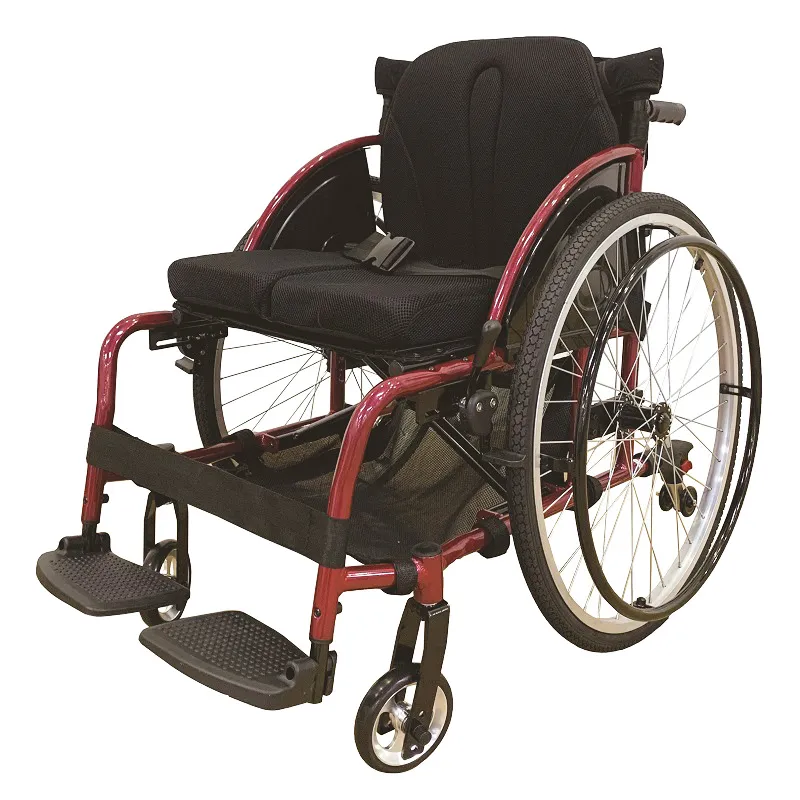
Why is 4 hours a "critical time"?
There's a physiological basis for this.
The statement "maximum 4 hours of sitting per day" isn't arbitrary; it stems from a comprehensive understanding of the body's tissue pressure tolerance and metabolic processes.
1. Limitations on Skin and Tissue Ischemia Time
In a wheelchair position, the capillaries in the buttocks experience pressure of approximately 60-100 mmHg, while the average capillary perfusion pressure is only about 25-35 mmHg.
When external pressure exceeds this value, local tissue begins to experience ischemia.
If this state persists for more than 2 hours, skin cells will enter a hypoxic metabolic phase;
If it continues beyond 4 hours, the risk of tissue necrosis increases significantly.
Therefore, 4 hours becomes a physiological dividing line.
2. Retention of Metabolic Waste and Lymphatic Circulation
Wheelchair users experience limited lower limb muscle movement, reducing the efficiency of lymphatic and venous return.
After 4 hours, waste accumulation and poor circulation can lead to increased swelling, numbness, and fatigue in the lower limbs.
If the user doesn't change position at this point, serious complications such as venous thrombosis may occur.
Are there differences in "sitting time limits" between manual and electric wheelchairs?
Some people believe that electric wheelchairs are more comfortable and have more functions, so can they be used for longer periods?
In reality, both manual and electric wheelchairs are limited by the same physiological laws.
The differences are only:
• Electric wheelchairs may have adjustable or reclining seats to help distribute pressure;
• Manual wheelchairs require the user to actively move their body or rely on assistance to change posture.
Even so, the 4-hour rule still applies.
No matter how advanced the wheelchair's functions, they cannot change the body's tolerance limit to continuous pressure.

Common misconception: The longer you sit, the more you "get used to the wheelchair"?
Some wheelchair users believe that sitting for long periods allows the body to "adapt to the wheelchair," thus reducing discomfort.
This concept is incorrect.
1. Wheelchair adaptation relies on posture management, not endurance training
The comfort provided by a wheelchair comes from correct postural support and pressure distribution, not from enduring a sitting posture for extended periods.
Incorrect habits will only lead to accumulated fatigue, increasing the risk of chronic pain and skin diseases.
2. "Endurance" is not recovery, but the beginning of injury
Numbness, soreness, or skin discoloration from prolonged sitting in a wheelchair are all signs of tissue compression.
Ignoring these warnings often leads to more serious consequences.
Therefore, professional rehabilitation therapists emphasize:
"Don't train endurance, train your ability to adjust posture."