

When choosing mobility aids, many people first encounter manual wheelchairs. They are simple in structure, relatively affordable, and help people with mobility impairments maintain a certain degree of freedom of movement. However, with advancements in technology and design, people have gradually realized that manual wheelchairs are not the only option.
For users with insufficient upper limb strength, who use them for extended periods, or who require greater comfort, finding a more suitable alternative is particularly important. Thus, a key question arises:
What is the best alternative to a manual wheelchair?
This article will analyze this question from multiple perspectives, providing an in-depth comparison of various alternatives such as electric wheelchairs, electric mobility scooters, and walking aids, helping you make a scientifically sound decision based on your needs.
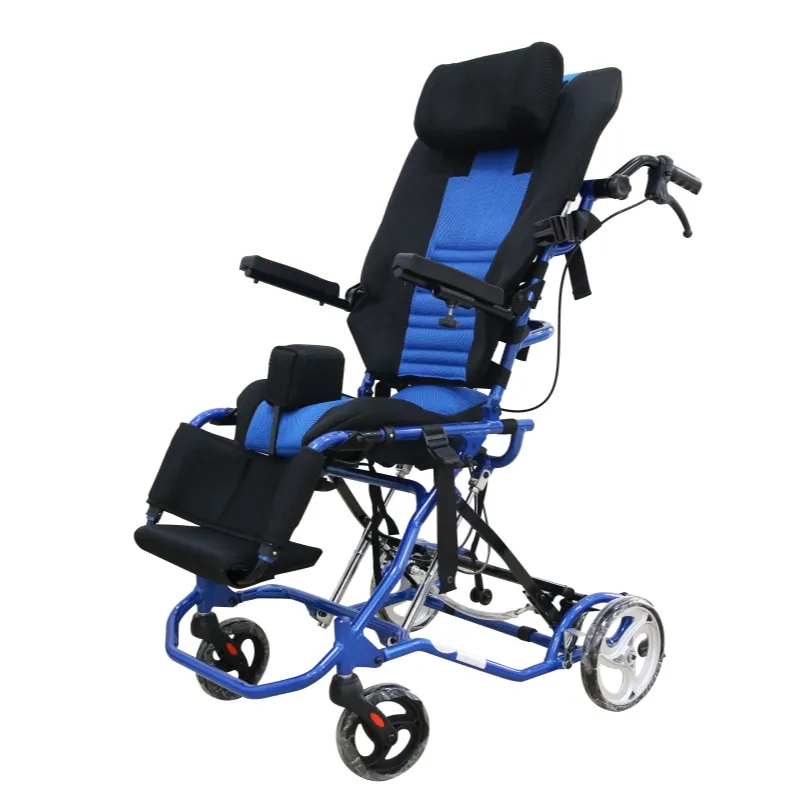
Why look for an alternative to a manual wheelchair?
While manual wheelchairs are lightweight and easy to maintain, they rely on the user's own strength or being pushed by someone else to move. For people with weak upper limb strength, joint pain, or who use them for extended periods, this method of operation often leads to fatigue and even injury.
Main limitations include:
• High physical exertion: Prolonged use requires continuous pushing, which can easily lead to shoulder or arm strain.
• Limited range: Cannot easily handle long distances or sloping surfaces.
• Lower independence: Some users require assistance to push.
• Insufficient comfort: Prolonged manual operation may cause muscle stiffness or fatigue.
Therefore, many people hope to find a device that can reduce physical burden while maintaining freedom of movement. Electric wheelchairs, electric mobility scooters, and walking aids are some of the main alternatives currently on the market.
Can electric wheelchairs completely replace manual wheelchairs?
Many people first think of electric wheelchairs when considering alternatives.
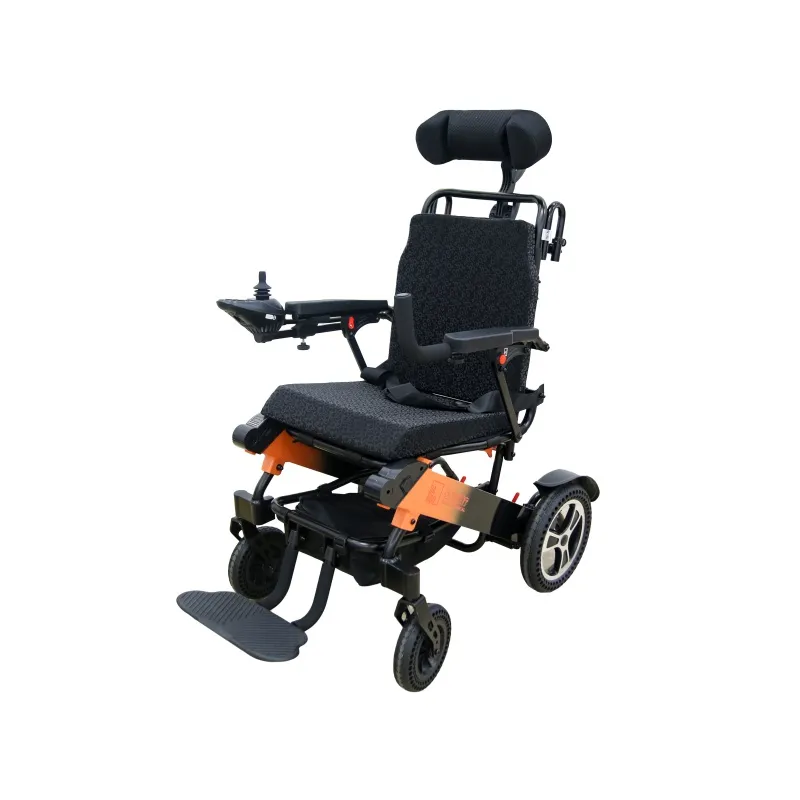
Electric wheelchairs are structurally similar to manual wheelchairs, but offer significant improvements in performance and convenience.
✅ Advantages of electric wheelchairs
1. Motor-driven, effortless and efficient
Electric wheelchairs are powered by batteries and motors. Users only need to gently operate the control lever to move forward, turn, or move backward, greatly reducing physical exertion.
2. Greater independence
No need for assistance to push, greater autonomy in movement, especially suitable for those with insufficient upper limb strength or elderly users.
3. Adaptable to Various Terrain
Electric wheelchairs have strong propulsion, easily handling complex terrains such as slopes, grass, and cobblestone streets.
4. Greater Seating Comfort
Many electric wheelchairs are equipped with adjustable backrests, footrests, and shock absorption systems, making them suitable for extended periods of use.
⚠️ Disadvantages of Electric Wheelchairs
1. Higher price and maintenance costs;
2. Heavier equipment, making them relatively difficult to move or fold;
3. Requires regular charging, and has limited battery life.
Overall, electric wheelchairs are currently the closest alternative to manual wheelchairs, especially suitable for users with limited upper limb strength or semi-autonomous daily activities.
Can Electric Mobility Scooters Become Another Option for Manual Wheelchairs?
Besides electric wheelchairs, another popular device is the electric mobility scooter (also known as an "electric mobile vehicle" or "electric scooter"). It is commonly used for outdoor travel by the elderly or those with mobility impairments.
✅ Key Features of Electric Mobility Scooters
1. Longer Battery Life
Compared to electric wheelchairs, electric mobility scooters typically have larger capacity batteries, allowing them to travel further and making them suitable for outdoor activities.
2. Intuitive Operation
Using handlebar controls, similar to electric bikes or motorcycles, they are easy to use.
3. High Stability
The four-wheel structure provides stability, a low center of gravity, and strong anti-tipping capabilities.
4. Higher Speed
Top speeds can typically reach 6 to 8 miles per hour, faster than most electric wheelchairs.
⚠️ Limitations of Electric Mobility Scooters
1. Larger size, unsuitable for confined indoor spaces;
2. Requires a larger turning radius;
3. Some users may find them difficult to operate due to insufficient upper limb coordination or grip strength.
If a user primarily engages in outdoor activities, has sufficient arm strength, and seeks longer range and higher speed, then an electric mobility scooter is undoubtedly an excellent alternative to a manual wheelchair.
Can mobility scooters partially replace manual wheelchairs?
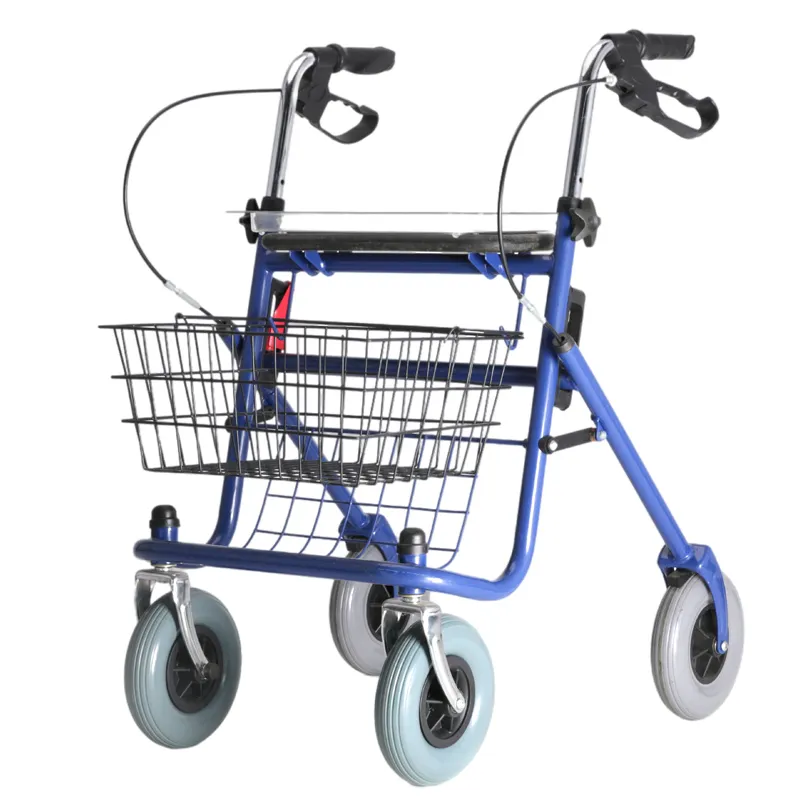
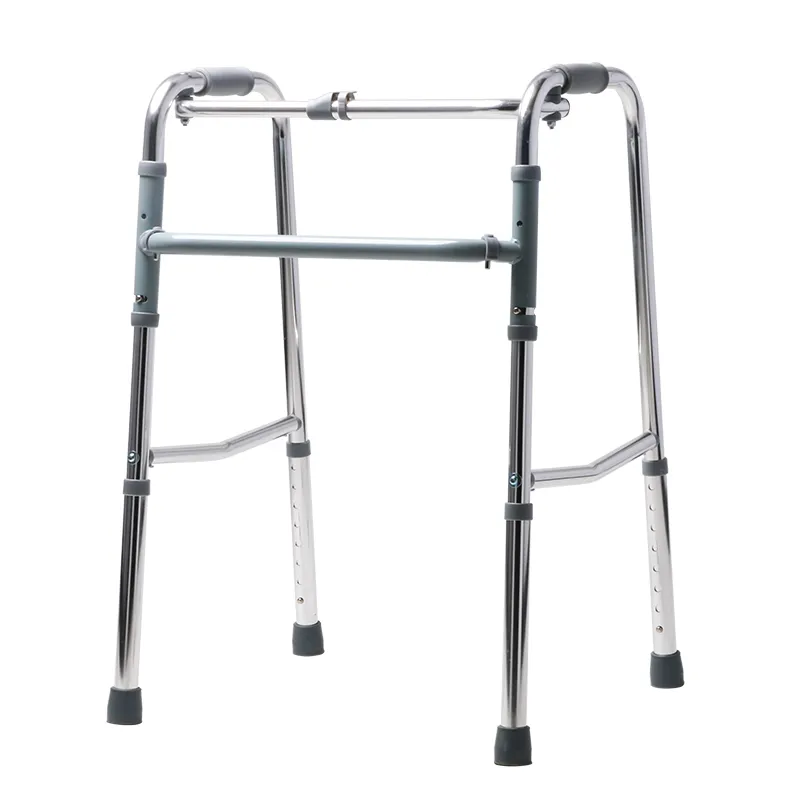
Walking aids (also known as scooters or walking assistive devices) function differently from wheelchairs, but in certain situations, they can serve as a mild alternative.
For users who can still walk but have an unstable gait or limited endurance, walking aids provide stable support and reduce the risk of falls.
✅ Advantages of Walking Aids
1. Maintains Walking Ability
Using a walking aid still requires users to walk on their legs, helping to maintain lower limb muscle strength and balance.
2. Lightweight and Flexible
Walking aids are small, lightweight, and easy to fold and carry.
3. Aids in Rehabilitation Training
Suitable for post-operative or chronic disease rehabilitation patients, helping to restore a stable gait.
4. Lower Cost
Generally cheaper than wheelchairs, and requires less maintenance.
⚠️ Disadvantages of Walking Aids
1. Not suitable for long-distance travel;
2. Cannot support prolonged sitting rest;
3. Requires higher physical strength.
Therefore, walking aids are more suitable as a "transitional tool," serving as an assistive alternative to manual wheelchairs for people with partially limited mobility who can still walk.
How to choose between electric wheelchairs, electric mobility scooters, and walking aids?
Faced with multiple options, the key is to determine the truly "best alternative" based on your physical condition, activity needs, and usage environment.
• If you want to completely replace a manual wheelchair and reduce physical burden, an electric wheelchair is the most balanced choice;
• If you prioritize longer range and outdoor performance, an electric mobility scooter is the ideal solution;
• If you only need light assistance with walking, a walking aid is more flexible and economical.
Which is a better alternative, an electric wheelchair or an electric mobility scooter?
While both can replace manual wheelchairs, their usage scenarios are fundamentally different.
• Electric wheelchairs: More suitable for people who rely heavily on sitting and use the vehicle both indoors and outdoors. They excel in operational precision and comfort.
• Electric mobility scooters: More suitable for users with some upper limb strength who primarily use the outdoors. They offer superior speed and range.
Therefore, if your primary activity areas include home, shopping malls, or medical facilities, an electric wheelchair is more practical; if you enjoy shopping, outings, or long-distance travel, an electric mobility scooter is a better alternative.
Can electric wheelchairs and walking scooters complement each other?
In fact, many users do not rely on just one device.
Electric wheelchairs and walking scooters can complement each other, playing different roles in different scenarios.
• Use a walking scooter for short distances or rehabilitation training to maintain walking habits;
• Use an electric wheelchair for long distances or when fatigued to reduce physical strain.
This combination is more common among the elderly or those recovering from surgery, balancing independence and health while preventing complete wheelchair dependence.
What factors should be considered before choosing an alternative?
Before deciding to purchase, assess the following key points:
1. Physical Condition
• Is upper limb strength sufficient?
• Can you maintain balance?
• Do you have chronic joint or cardiopulmonary problems?
2. Usage Environment
• Will it be primarily used indoors or outdoors?
• Is it necessary to handle slopes or complex terrain?
3. Portability Requirements
• Is frequent folding, carrying, or storage in a car trunk required?
4. Budget and Maintenance
• Can you afford battery replacement and regular maintenance costs?
5. Frequency of Use
• Is it for occasional assistance or primary daily transportation?
Considering all these factors is crucial to accurately determine the best alternative to a manual wheelchair.
Which alternative is best for the elderly?
For elderly users, safety, ease of operation, and comfort are key considerations.
• If physical strength is limited and independent travel is desired: an electric wheelchair is most suitable;
• If mobility is still good but walking endurance is insufficient: an electric mobility scooter is more suitable;
• If only home-based mobility assistance is needed: a walking aid is the most convenient.
Compared to manual wheelchairs, electric wheelchairs allow the elderly to complete daily travel more easily without relying on others for pushing.
Can I buy shower chairs and commodes directly from Dayang Medical?
Yes. Guangdong Dayang Medical Technology Co., Ltd. offers high-quality shower chairs and commodes, suitable for hospitals, clinics, and home care. Founded in 2009, we are a professional manufacturer and supplier in China. Our two R&D and production bases ensure consistent quality and timely delivery. Products are certified under ISO13485, ISO9001, FDA, TUV, and CE standards.