

Carbon fiber electric wheelchairs, due to their lightweight frame, high-strength materials, portable structure, and electric control advantages, have become a high-end category of modern mobility aids. Although the carbon fiber frame boasts excellent durability, electric wheelchairs are essentially a combination of mechanical and electronic systems. Therefore, certain common malfunctions are inevitable during long-term use.
Many users believe that carbon fiber means "it will never break," but in reality, common malfunctions in carbon fiber power wheelchairs often originate not from the frame, but from the motor, battery, controller, wiring, brakes, and folding mechanism.
This article will systematically analyze from a professional perspective: What are the common malfunctions of carbon fiber power wheelchairs? Why do they occur? And how can they be prevented and handled?
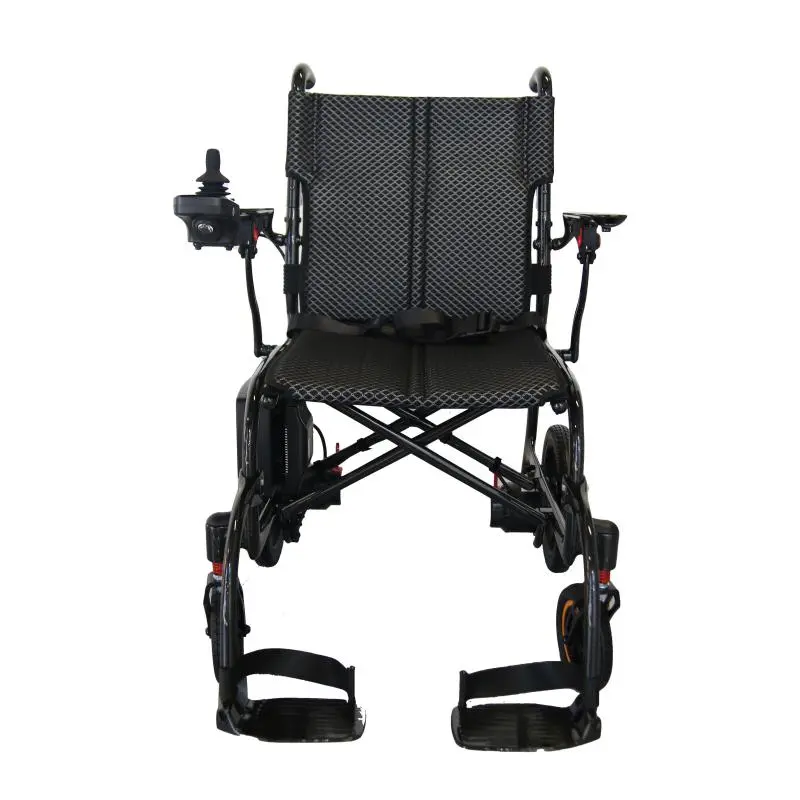
What are the most common malfunctions of carbon fiber electric wheelchairs?
From an industry perspective, the most common malfunctions of carbon fiber electric wheelchairs include:
• Battery cannot be charged or battery life is significantly reduced
• Controller or joystick is unresponsive or malfunctioning
• Increased motor noise or abnormal power
• Poor wiring contact
• Weak braking force or incomplete braking
• Folding jamming or unstable latches
• Intermittent power loss caused by loose connectors
• Damaged or poorly connected charging port
It is worth noting that these common malfunctions are not related to the carbon fiber material itself, but rather to the wheelchair's electronic system and mechanical structure.
Can carbon fiber frames suffer structural damage?
Carbon fiber frames possess extremely high strength and fatigue resistance, therefore the probability of frame failure is extremely low. The professional answer is as follows:
✔ Under normal use: Carbon fiber frames are almost impossible to break or deform.
This is because carbon fiber has:
• High tensile strength
• High compressive strength
• Does not rust
• Is not affected by moisture
• Does not weaken due to fatigue like aluminum or steel
✘ However, problems may occur in the following situations:
• Strong impacts
• Long-term load exceeding specified weight
• Incorrect modification or disassembly of the frame structure
• Rough transportation and compression leading to uneven stress
Even so, the probability of these problems occurring is extremely low.
Conclusion: The carbon fiber power wheelchair frame is not a common source of failure. The real concern is the electronic components.
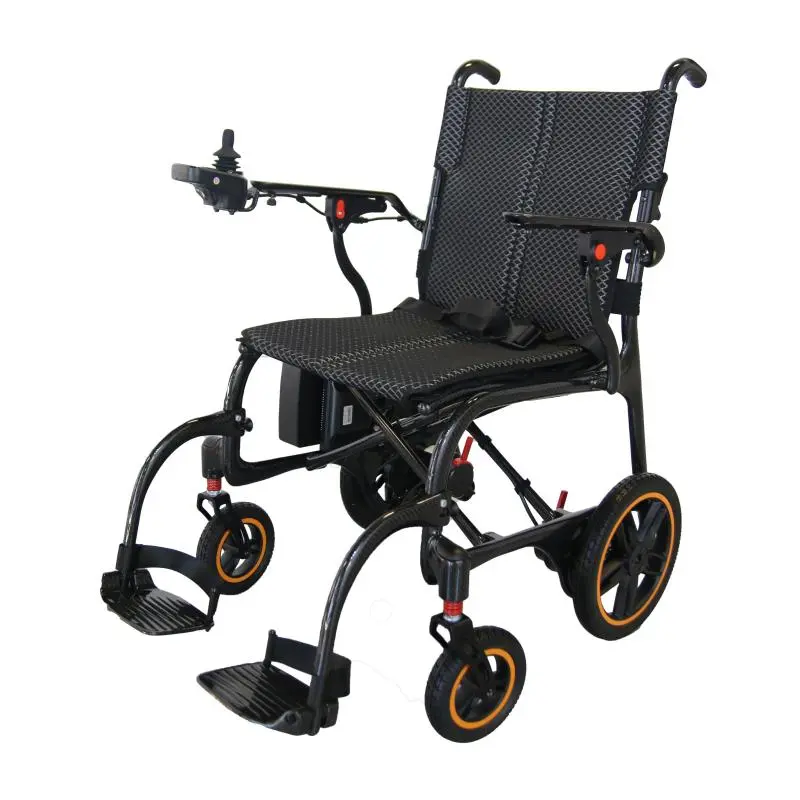
Battery-Related Failures: One of the Most Common Problems with Carbon Fiber Electric Wheelchairs
Lithium batteries are a core component of electric wheelchairs, and common failures include:
1. Battery Cannot Be Charged
Possible Causes:
• Damaged charger
• Loose charging port
• Battery protection board activated
• Battery life nearing its limit
• Long-term undercharging leading to cell damage
2. Reduced Range
Symptoms:
• Previously able to travel 15 kilometers, now only 7 kilometers
• Faster rate of battery depletion
• Battery level close to 0% in less than an hour
Common Causes:
• Battery aging (a natural process for lithium batteries)
• Ambient temperature too high or too low
• Improper charging habits
• Increased load or road resistance
3. Intermittent Power Loss Due to Poor Contact
Common Causes:
• Removable battery not fully secured
• Rust or oxidation at the battery interface
• Loose connection between battery and controller
4. Battery Overheating
Possibly caused by prolonged high-load use or high-temperature environments.
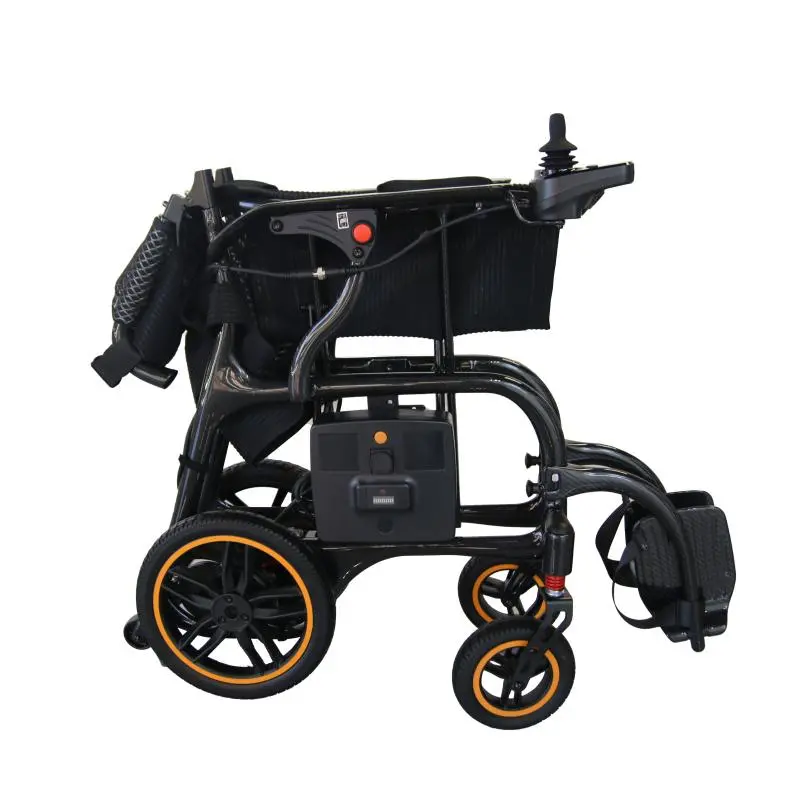
Controller or Joystick Failure: The "Signal Center" Problem in Carbon Fiber Electric Wheelchairs
The joystick and controller are the most sensitive electronic components of an electric wheelchair. Common failures include:
1. Joystick Unresponsive
Possible Causes:
• Controller motherboard failure
• Loose wiring
• Moisture entering the control mechanism
• Insufficient battery voltage
• System enters safety protection mode
2. Steering Drift or Uncontrollable
Manifestations:
• Wheelchair moves automatically when the joystick is neutralized
• Left-right imbalance
• Sluggish steering
Causes include:
• Aging Hall sensor on the joystick
• Wiring interference
• Controller calibration misalignment
3. Button Malfunction or Display Flickering
Common Causes:
• Moisture exposure
• Poor internal wiring contact
• Controller aging
The joystick is the area of an electric wheelchair most prone to failure due to rain or moisture, therefore it must be carefully protected.
What are some common motor system failures?
While the lightweight design of carbon fiber power wheelchairs reduces the burden on the motor, the following motor issues may still occur:
1. Increased motor noise
Possible causes:
• Internal gear wear
• Dust entering the motor housing
• Insufficient lubrication (required for some motors)
• Excessively humid operating environment
2. Insufficient motor power
Manifestations:
• Difficulty climbing hills
• Weak acceleration
• Unstable speed on flat roads
Common causes:
• Unstable battery voltage
• Motor dampness
• Aging wiring
• Limited controller output
3. Motor not turning
Possible causes:
• Control signal not transmitted
• Broken motor wire
• Damaged motor control module
Motor-related faults usually do not cause sudden breakage, but they will significantly affect power output.
What are the common faults in the braking system?
Carbon fiber electric wheelchairs generally use electromagnetic braking systems. Common malfunctions include:
1. Brake failure or insufficient braking force
Possible causes:
• Loose electromagnetic brake cable
• Reduced electromagnet attraction
• Insufficient controller output
• Worn brake pads (some models)
2. Brakes suddenly lock up
Symptoms:
• Unable to push the wheelchair
• Suddenly "locks up" while moving
Possible causes:
• System protection mode activated
• Electromagnetic brake short circuit
• Foreign object enters the brake seat
3. Inability to brake well downhill
Causes are usually related to:
• Low battery voltage
• Control system current limiting
• Brake failure
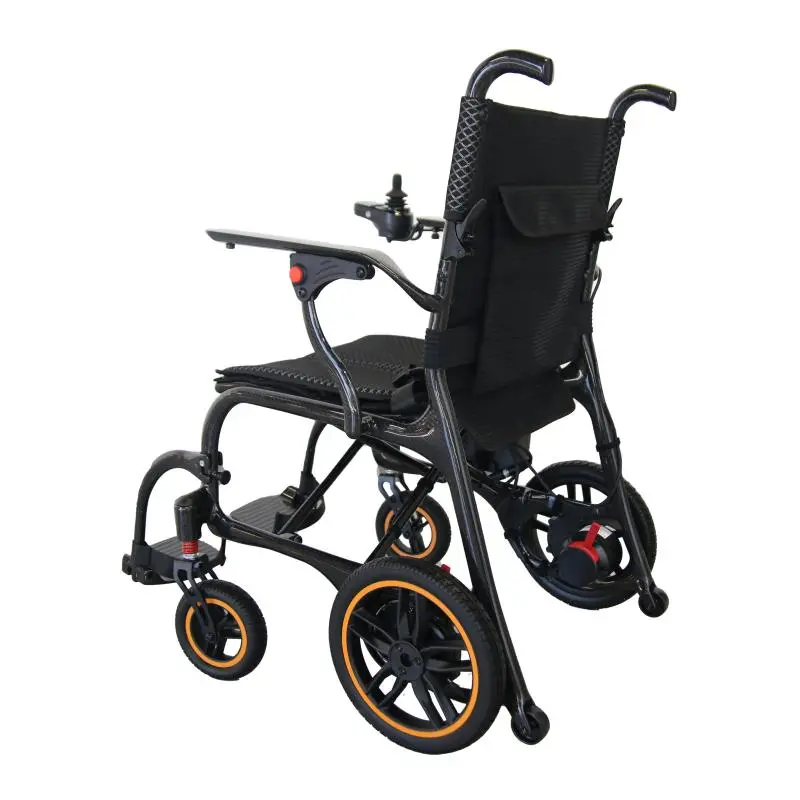
What malfunctions may occur in the folding section of a carbon fiber electric wheelchair?
Carbon fiber power wheelchairs often employ a quick-folding structure, which is lightweight but structurally complex. Therefore, common problems include:
1. Folding jamming
Possible causes:
• Dust accumulation on the hinges
• Loose screws
• Insufficient lubrication
2. Folding unable to lock or loosening
Common causes:
• Worn latches
• Structural fatigue
• Foreign objects entering the locking mechanism
3. Difficulty pushing or pulling after folding
Possible causes:
• Wheel angle deviation
• Incomplete folding
• Reduced elasticity of the fixing device
The folding structure is not weakened by the carbon fiber material, but the mechanical structure requires regular inspection.
What are some common cable wiring faults?
Wiring issues are one of the most common malfunctions in all electric wheelchairs, including:
• Loose plugs
• Bent wiring
• Aging connectors
• Damaged wiring sheaths
• Oxidized terminals
• Minor detachment due to vibration
Symptoms include:
• Sudden power outages during operation
• Screen flickering
• Button malfunctions
• No response during acceleration
Carbon fiber electric wheelchairs are lighter and therefore move more frequently, potentially causing more concentrated stress on the wiring compared to traditional wheelchairs, requiring extra care.
Can transportation, shipping, or handling cause malfunctions?
Possibly, and quite common in the industry.
Potential damage includes:
• Impact to the controller housing
• Loose connectors
• Impact to the folding structure
• Displaced battery latch
• Lightweight joysticks are susceptible to damage.
Especially during air transport, rapid handling can easily cause slight bending, displacement, or loosening, requiring inspection before use.
Do environmental factors affect the failure rate of carbon fiber power wheelchairs?
The answer is: Yes, and the impact is significant.
1. Humid Environment
Potential Causes:
• Motor moisture absorption
• Interface oxidation
• Joystick malfunction
2. High Temperature Environment
Impacts:
• Shortened battery life
• Controller overheating and entering protection mode
3. Low Temperature Environment
Potential Causes:
• Reduced battery capacity
• Reduced battery life
• Delayed joystick response
4. Dust Environment
Potential Entry Points:
• Folding structure
• Brake position
• Motor interior
Therefore, the operating environment is one of the key factors affecting the failure rate of carbon fiber electric wheelchairs.
How to Prevent Common Failures of Carbon Fiber Electric Wheelchairs?
The following are maintenance methods recommended by industry experts:
✔ Regularly check the battery latch and cables
Ensure they are not loose.
✔ Avoid use in heavy rain or standing water
Protect the joystick, battery, and controller.
✔ Clean dust from the hinges before folding
Reduce jamming and wear.
✔ Check brake response monthly
Ensure safe and smooth parking.
✔ Regularly wipe the motor housing and wiring ports.
Prevent dust accumulation.
✔ Avoid direct sunlight.
Protect battery health.
These maintenance methods can significantly reduce common malfunctions of carbon fiber power wheelchairs.
What should you do if your carbon fiber electric wheelchair suddenly malfunctions?
Here is the most practical troubleshooting sequence:
1. Check the battery level and battery lock
Power outages are usually related to battery problems.
2. Check if the control levers are wet or damp
If there is moisture, stop using the wheelchair and dry it.
3. Check for loose wiring
Including:
• Battery connection cable
• Controller cable
• Motor cable
4. Observe for error lights or warnings
The controller usually indicates the source of the malfunction by flashing lights.
5. Check if the brakes are locked
A malfunctioning brake system can cause the wheels to stop turning.
6. If there is no obvious cause, stop using the wheelchair and seek inspection
Prevent further damage.
What logistics considerations apply when shipping carbon-fiber electric wheelchairs from China?
Shipping carbon-fiber electric wheelchairs from China requires attention to size, weight, battery transport regulations, and customs documentation. Because these wheelchairs include removable lithium batteries (6AH or 10AH), exporters must ensure batteries are packaged according to IATA and regional shipping standards; detachable batteries often simplify compliance.
The lightweight carbon-fiber frame (about 13.5 kg with battery, 12 kg without) helps lower freight costs, but buyers should still account for protective packaging to avoid damage during transit.