

In the United States, the demand for daily care services is increasing year by year, particularly as the number of patients with limited mobility—who are unable to perform transfer movements independently—continues to rise. To ensure the safety of these patients during transfers between beds and chairs, bathing, or standing exercises, many families and healthcare facilities have begun utilizing specialized equipment known as a "Patient Lifter." However, not everyone is able to obtain this device through insurance reimbursement or a medical evaluation.
So, exactly which diagnoses allow patients in the U.S. to qualify for a Patient Lifter?
Which specific diseases, functional impairments, or physical conditions meet the necessary assessment criteria?
This article will explore this topic in depth from the perspectives of medical science, functional limitations, and the U.S. healthcare system (specifically focusing on Medicare and commercial insurance standards), providing readers with a professional, systematic, and easy-to-understand guide.
What Is a Patient Lifter? Why Is It Necessary?
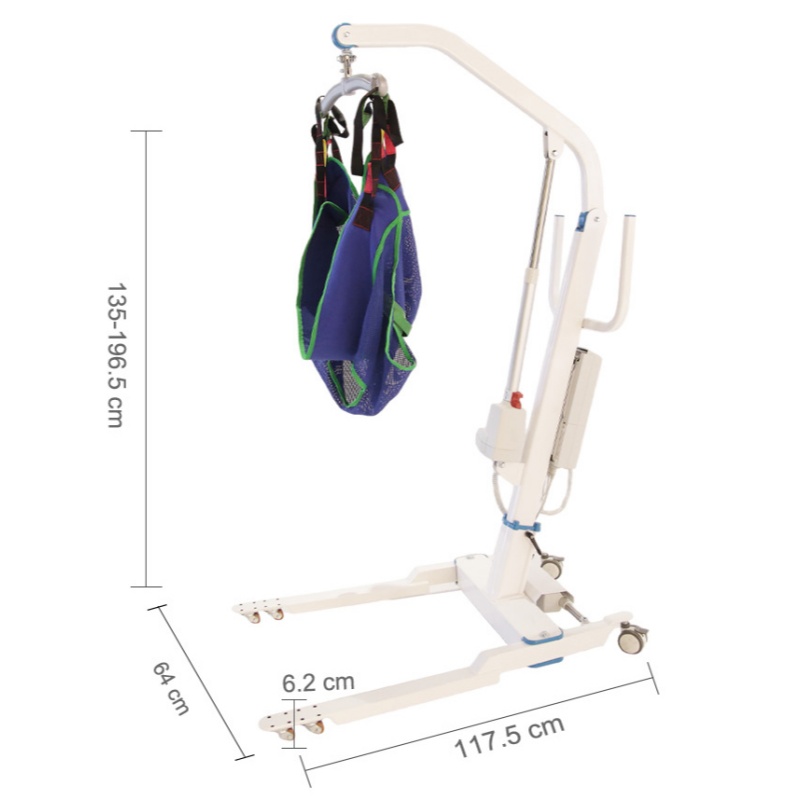
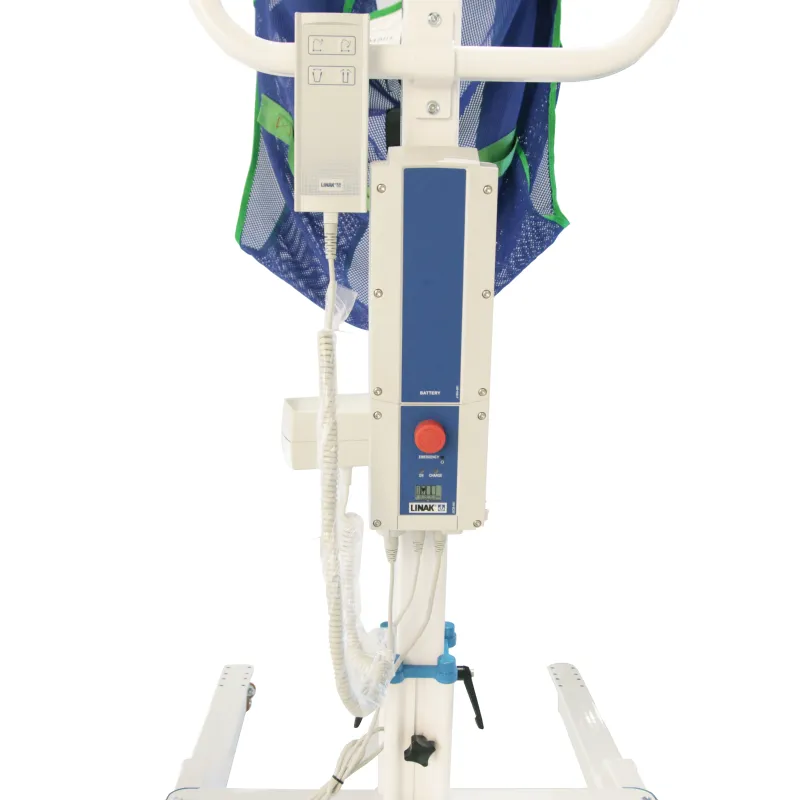
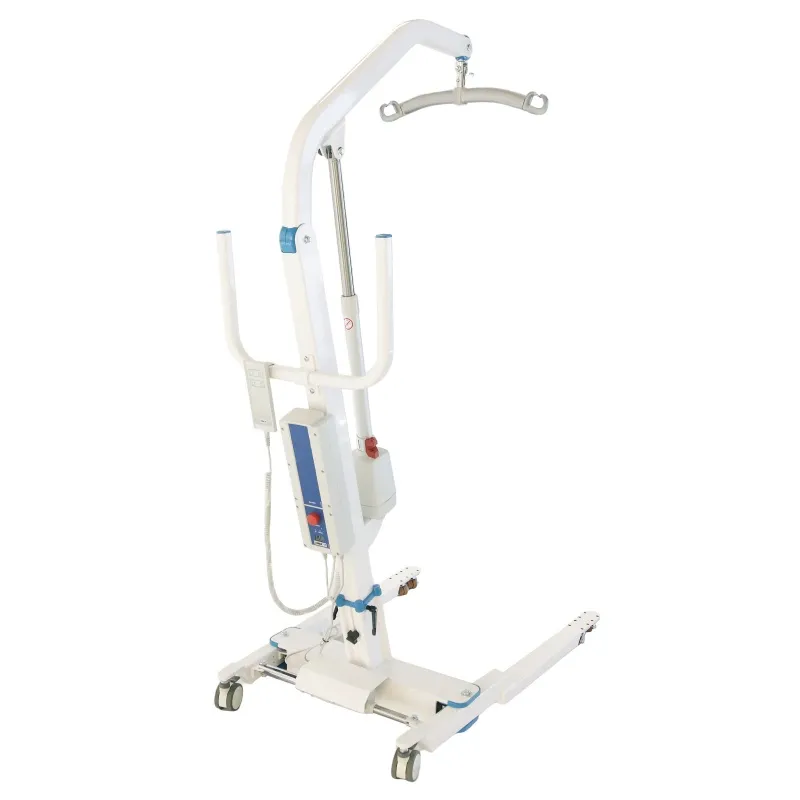
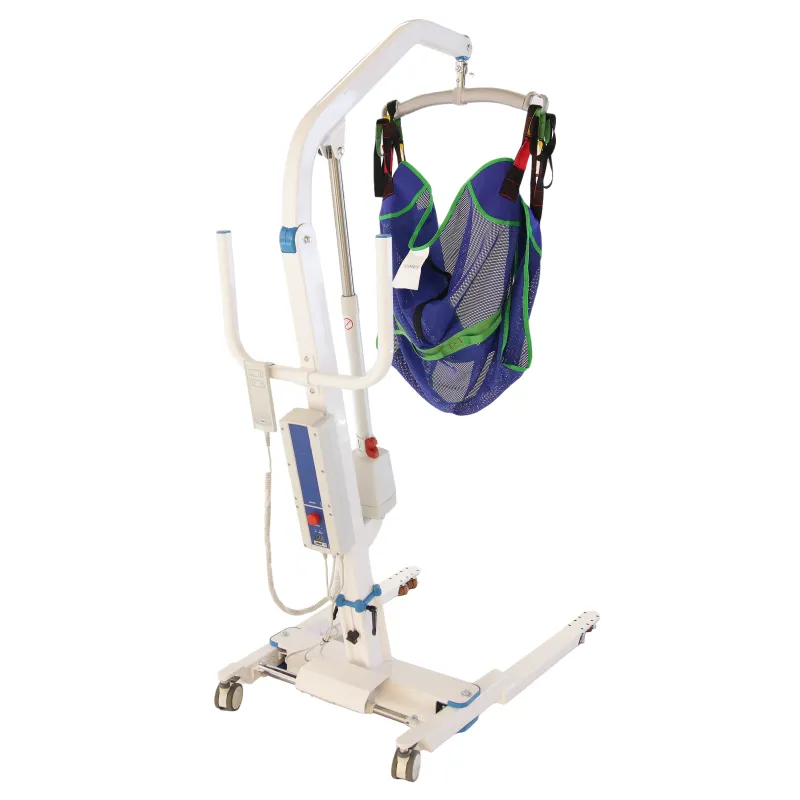
A Patient Lifter is an assistive device specifically designed for patients who are unable to safely use their own physical strength to move or transfer. It typically consists of a frame, pulleys, an electric or manual lifting mechanism, and a sling; it enables caregivers to safely transfer a patient from a bed to a wheelchair, from a chair to a toilet, from the floor to a bed, and so on.
Patient Lifters are crucial because they:
• Reduce the risk of patient falls resulting from failed transfers
• Protect caregivers from back injuries and physical strain
• Enable bedridden patients to safely receive necessary care or rehabilitation therapy
• Assist individuals with severe mobility impairments in maintaining a basic quality of life
• Streamline caregiving processes and improve efficiency in home care settings
Based on these reasons, the U.S. healthcare system has established clear diagnostic criteria for the use of Patient Lifters. Eligibility for the device primarily hinges on one key factor: the patient's inability to safely perform transfer movements without the aid of a lifting device.
Which Patients with Neurological Disorders Are Eligible?
In the United States, neurological disorders represent one of the most common reasons for requesting a Patient Lifter. These conditions typically result in reduced muscle strength, balance impairments, or paralysis, rendering patients unable to stand or transfer safely.
1. Stroke
Following a stroke, many patients experience issues such as hemiplegia (paralysis on one side of the body), severe muscle weakness, or a loss of balance.
If a patient is unable to stand or transfer—even with physical assistance—they typically meet the eligibility criteria.
2. Parkinson’s Disease
Moderate to advanced Parkinson’s disease can lead to slowed movement (bradykinesia), muscle rigidity, and gait freezing.
When the condition impairs a patient's ability to transfer safely, a Patient Lifter becomes necessary to ensure safety.
3. Multiple Sclerosis (MS)
Patients with MS may experience severe muscle weakness or reduced endurance, making it difficult for them to perform transfer movements using their own physical strength.
4. Cerebral Palsy
Adults with cerebral palsy often require mechanical assistance to perform transfers, particularly when they experience abnormal muscle tone or difficulties with motor control.
5. Traumatic Brain Injury (TBI)
Patients with TBI may also qualify for a Patient Lifter if their cognitive function, balance, or muscle strength has been compromised.
6. Neuropathies or Neurodegenerative Diseases
These include:
• Peripheral Neuropathy
• Amyotrophic Lateral Sclerosis (ALS)
• Huntington’s Disease
• Spinocerebellar Degeneration, etc.
Any condition that renders a patient unable to stand safely—even with assistance—may qualify them for a Patient Lifter.
Can patients with spinal cord injuries apply for a Patient Lifter?
The answer is yes; in fact, they constitute one of the primary groups for whom this equipment is intended.
Spinal Cord Injury (SCI) often results in varying degrees of paralysis. Depending on the specific level of injury, patients may lose complete control over their lower limbs, and in some cases, their upper limbs may be affected as well. When a patient is unable to independently perform transfers—such as moving from a bed to a wheelchair, or from a chair to a toilet—a Patient Lifter becomes an essential piece of equipment.
Qualifying spinal cord injuries include:
• Complete Spinal Cord Injury (total paralysis)
• Incomplete Spinal Cord Injury (insufficient muscle strength to stand)
• Vertebral compression fractures resulting in severe pain or spinal instability
• Loss of neurological function resulting in an inability to maintain trunk balance
Given the high degree to which these patients rely on safe transfer methods, medical insurance providers typically offer coverage for the necessary equipment.
Can individuals who are bedridden for extended periods or who have experienced severe muscle deterioration apply for a Patient Lifter?
Absolutely.
During the assessment process, physicians will focus on the following key factors:
• Is the patient unable to bear their own body weight?
• Is the patient unable to perform transfer movements using their upper body strength?
• Does the patient suffer from orthostatic intolerance (difficulty tolerating upright positions)?
• Is there a high risk of falls in the absence of assistive equipment?
Therefore, the following conditions frequently meet the eligibility criteria:
1. Muscular Dystrophy
Continuous muscle atrophy makes standing or transferring difficult.
2. Systemic Weakness Disorders (e.g., Muscular Atrophy, Peripheral Nerve Injury, Myasthenia Gravis)
Patients are typically unable to maintain a safe posture using their own physical strength.
3. Frailty (Geriatric Frailty)
Severely frail elderly individuals who are unable to cooperate with caregivers during transfers may also be approved for a Patient Lifter.
4. Functional Decline Resulting from Prolonged Bed Rest
This includes:
• Joint contractures
• Muscle atrophy
• Reduced tolerance for positional changes
As long as the patient is unable to assist during the transfer process, they meet the criteria for coverage.
Is Obesity (High BMI) a qualifying diagnosis for an application?
Answer: Yes, but specific conditions must be met.
Morbid Obesity is a diagnosis recognized within the U.S. healthcare system as requiring "mechanical lifting equipment," particularly in cases involving:
• BMI ≥ 40
• BMI ≥ 35 accompanied by mobility impairments
Patients with high body weight not only struggle to transfer independently but also expose caregivers to significant operational risks. If a patient is unable to stand safely, even with the assistance of a caregiver, a Patient Lifter becomes an essential piece of equipment.
Specifically, "Bariatric Lifts" (lifting devices designed for overweight patients) are frequently approved items under U.S. Medicare and commercial insurance plans.
Can patients with orthopedic conditions or joint disorders apply for a Patient Lifter?
In the U.S., patients with the following skeletal and joint conditions typically qualify for an application if pain, stiffness, or instability prevents them from standing:
1. Severe Hip Injury or Post-Surgical Recovery
Such as hip fractures or cases where weight-bearing is prohibited following hip replacement surgery.
2. Severe Knee Osteoarthritis
Pain or stiffness renders the patient unable to stand or bear weight.
3. Post-Spinal Surgery Patients Unable to Bear Weight
For instance, following spinal fusion surgery where bending, twisting, or weight-bearing is restricted.
4. Patients with Multiple Fractures
Those unable to cooperate with standard transfer procedures.
5. Compression fractures resulting from osteoporosis
Attempting patient transfers without mechanical assistance may pose a risk of triggering new fractures.
Which patients with cognitive or psychological diagnoses are eligible to apply?
Although patient lifts are primarily intended for individuals with physical impairments, patients with cognitive issues—specifically those whose condition prevents them from understanding or cooperating with transfer movements—are also eligible to apply.
Common diagnoses include:
1. Severe Dementia
Patients are unable to follow instructions and are prone to suddenly sitting down or losing their balance during transfers, thereby requiring mechanical assistance.
2. Late-Stage Alzheimer’s Disease
Patients are similarly unable to cooperate due to cognitive decline.
3. Severe Behavioral Disorders
Patients whose medical condition renders them non-compliant or whose status is unstable—such that a lift is required to ensure their safety—are eligible.
Under what circumstances are applications most likely to be denied?
To avoid misunderstandings, the following situations typically do not meet U.S. medical insurance criteria for approving a patient lift:
• The patient is able to stand or transfer with assistance.
• The patient is able to mobilize using a walker or walking frame.
• The stated reason for the application is "caregiver convenience" rather than "inability to perform transfers."
• The application is submitted solely for the purpose of "preventing future problems."
• The patient is able to utilize lower-level assistive devices, such as sliding boards or transfer belts.
An application will be approved only if a physician confirms that the patient *cannot* safely complete transfers without the aid of a lift.
How does the healthcare system conduct evaluations? What criteria must be met to obtain a patient lift in the U.S.?
Whether through Medicare, Medicaid, or private insurance, the evaluation criteria typically focus on the following core points:
What key questions will a physician ask to determine whether a patient requires a lift?
• Is the patient able to bear weight?
• Is the patient able to sit up?
• Is the patient able to cooperate during transfers?
• Is there a risk of physical injury to the caregiver?
• Does the patient frequently fall during transfers?
• Have other methods been attempted without success in achieving safe transfers?
If the answers indicate that the patient cannot safely complete transfers, the patient lift is deemed a "Medical Necessity."
What role does the patient lift play in the evaluation process?
The focus of the evaluation is not on the specific type of equipment, but rather on the following factors:
• Will the use of a lift significantly enhance safety?
• Is a lift the only viable method for performing transfers?
Provided that these two criteria are met, approval for a patient lift can be obtained.
Which medical diagnoses qualify for a patient lift?
Typical diagnoses that qualify for a Patient Lifter in the U.S. include:
1. Major Physical Impairments:
• Stroke
• Spinal Cord Injury
• Multiple Sclerosis (MS)
• Muscular Dystrophy
• ALS (Amyotrophic Lateral Sclerosis)
• Limb Paralysis
• Functional decline resulting from prolonged bed rest
2. Orthopedic Conditions:
• Inability to bear weight following hip or knee injury/surgery
• Severe Osteoporosis
• Multiple Fractures
3. Neurodegenerative Diseases:
• Advanced Parkinson's Disease
• Huntington's Disease
• Cerebral Palsy
• Severe Obesity (BMI ≥ 35 or ≥ 40)
4. Cognitive Impairments:
• Severe Dementia / Advanced Alzheimer's Disease
• Patients with behavioral disorders who are unable to cooperate with caregiving
What types of products can I buy from Dayang Medical?
Dayang Medical offers a wide range of products for customers seeking to buy or source mobility and healthcare equipment. The product portfolio includes electric wheelchairs, manual wheelchairs, sports wheelchairs, commode chairs, walkers, rollators, electric hospital beds, manual beds, shower chairs, and walking canes.
As a professional manufacturer and supplier, the company supports both bulk purchasing and customized orders, making it ideal for distributors, healthcare institutions, and brands looking for high-quality, China-made medical equipment at competitive wholesale prices.