

Walking sticks are a common and basic walking aid. Despite their simple design, they are considered essential assistive devices by doctors in many situations. Many people believe that walking sticks are only for the elderly, or only used when there is difficulty walking or injury. However, the reasons doctors recommend walking sticks go far beyond this.
From balance loss to chronic joint diseases, and even post-operative rehabilitation, walking sticks play an important role in medical care and daily life.
However, many people are unaware of the circumstances under which doctors would recommend walking sticks, or the true scope of their use.
Therefore, this article will comprehensively answer the two core questions—"Will doctors recommend walking sticks?" and "In what situations would they be recommended?"—from the perspectives of biomechanics, medical assessment, and functional assistance.
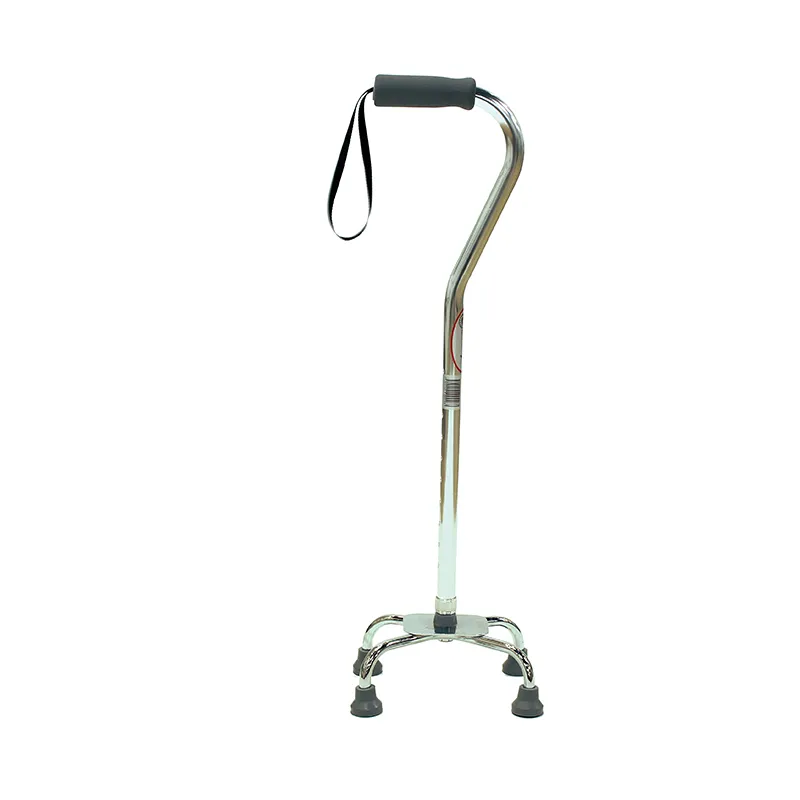
Will Doctors Recommend Walking Sticks?
"Will doctors recommend walking sticks?" This is one of the most frequently asked questions when facing pain, balance problems, or limited mobility.
The answer is clear:
Yes, doctors recommend the use of crutches in many situations.
While simple in design, crutches are a highly effective walking aid. Doctors recommend them because they significantly improve the following:
• Improved walking stability
• Reduced pressure and weight-bearing on the lower limbs
• Improved gait
• Reduced risk of falls
• Increased safety and confidence in walking
• Helps patients gradually regain mobility
In professional medical assessments, crutches are classified as mild assistive devices and are a preferred walking aid in many situations. They are suitable not only for the elderly but also for people of all ages with walking difficulties or temporary gait instability.
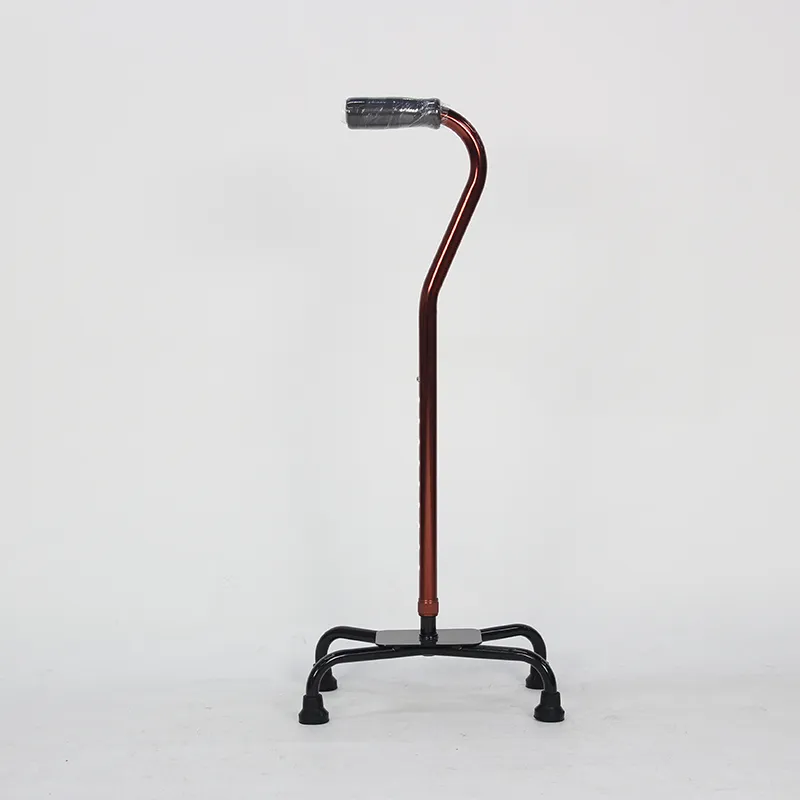
Why are crutches a commonly recommended walking aid by doctors?
To understand the logic behind doctors' recommendations, we need to understand the mechanism of action of crutches.
1. Crutches can share body weight
Especially for people with pain or limited weight-bearing in the knee, hip, and ankle joints, crutches can effectively share some of the body weight, reducing pressure on the affected leg and thus reducing pain.
2. Walking canes improve balance
Canes provide a "third point of support" for the body. When proprioception is impaired, gait is unsteady, or strength is insufficient, they stabilize the body's central axis, reducing the risk of falls.
3. Walking canes improve gait posture
During chronic illness or post-operative rehabilitation, incorrect gait increases joint wear and tear. Walking canes can serve as a corrective or assistive tool, helping patients maintain a correct gait pattern.
4. Walking canes increase confidence in walking
For patients who worry about falling or lack confidence in their walking ability, walking canes provide both psychological and physical support.
These reasons make walking canes a primary recommendation for doctors in cases of mild to moderate gait problems.
In what situations would a doctor recommend the use of canes?
Below, we will systematically analyze the main situations in which doctors might recommend the use of walking canes. Each is related to pathological characteristics, gait performance, and biomechanical assessment.
Situation 1: Would a doctor recommend canes when walking balance is impaired?
Yes, doctors often recommend crutches whenever a patient's balance is impaired.
Impaired balance is a major cause of falls, especially common in the following groups:
• Elderly individuals
• Patients with neurological disorders
• Individuals with weakened vestibular function
• Individuals with lower limb weakness
Crutches provide additional points of contact, allowing the body to move from a two-point to a three-point support system, thus enhancing stability. For individuals with mild to moderate balance disorders, crutches are generally easier to carry and maneuver than walking aids, hence doctors often recommend them.
Scenario 2: Will doctors recommend crutches for lower limb pain or joint problems?
Yes, and this is the most common reason for recommendation.
Patients with the following conditions often use crutches on the advice of a doctor:
• Knee osteoarthritis
• Hip osteoarthritis
• Chronic lower limb pain
• Lower limb fragility due to osteoporosis
• Hip or knee meniscus injury
In these conditions, the main function of crutches is to "help reduce the load."
When a walking cane is used on one side of the body, it can distribute 15%–25% of body weight, effectively reducing pain and further wear and tear.
Scenario 3: Will doctors recommend canes during postoperative rehabilitation?
Yes, but usually for patients with mild weight-bearing limitations.
Doctors may recommend canes during the following surgical recovery periods:
• Late recovery after knee surgery
• Initial stage of activity after hip surgery
• Light weight-bearing period after ankle or lower limb ligament repair
Walking canes help patients gradually regain weight-bearing within a controlled range, thus transitioning more safely to normal walking.
Scenario 4: Will doctors recommend walking canes for mild gait abnormalities?
For example:
• Shortened stride
• Gait leaning to one side
• Uncoordinated walking
• Shuffling steps
Doctors will recommend walking canes to assist in restoring normal gait based on gait analysis results.
Scenario 5: Will doctors recommend canes for elderly people who are frail or lack strength?
Yes, frail elderly people are one of the main users of walking canes.
The elderly are prone to the following due to faster muscle loss, especially in the lower limbs:
• Pain when standing
• Difficulty climbing stairs
• Reduced stride length
• Unsteady gait
• Frequent tripping
A walking cane provides extra support and effectively reduces the risk of falls at home, making it a common and economical tool in home care.
Situation 6: Will a doctor recommend a walking cane when gait changes are caused by neurological diseases?
This falls under the category of chronic diseases, including:
• Mild stroke sequelae
• Cerebellar dysfunction
• Peripheral nerve damage
• Decreased proprioception
A cane can help patients perceive the ground and improve foot control.
Situation 7: Will a doctor recommend a walking cane when physical strength or endurance is declining?
Yes, especially for people who tire easily when walking long distances.
A cane can help conserve energy, allowing patients to walk more steadily and for longer periods.

Choosing the Right Type of Crutches and the Logic Behind Doctor Recommendations
Doctors don't simply advise patients to "use crutches"; they recommend specific types based on individual circumstances. These include:
• Single crutches (most common)
• Four-legged crutches (higher stability)
• Folding crutches (high portability)
• Crutches with seats (suitable for outdoor use)
• Ergonomically designed crutches (suitable for long-term use)
The selection criteria include:
• Patient's balance ability
• Strength level
• Walking habits
• Location of pain
•Environmental needs (indoor/outdoor)
Doctors determine the most suitable type through gait assessments and functional tests.
When will doctors not recommend crutches?
While crutches are widely applicable, they are not suitable for all patients. Doctors typically do not recommend them in the following situations:
1. Patients with severe bilateral lower limb weight-bearing limitations
For example, patients who are completely unable to bear weight after surgery will be advised to use a walking aid rather than crutches.
2. Moderate to severe balance disorders
For those requiring greater stability, walking aids or four-wheeled walking vehicles are recommended.
3. Insufficient upper limb strength
Crutches require sufficient arm and grip strength for support; otherwise, they are ineffective.
How to determine if you need crutches? (Common doctor assessment criteria)
Doctors usually recommend using crutches if any of the following conditions are met:
• Feeling unsteady while walking
• Fear of falling
• Lower limb pain affecting walking
• Difficulty standing for extended periods
• Gait noticeably leaning to one side
• Difficulty climbing stairs
• Feeling fatigued after walking for a few minutes
• Recent fall
Crutches can effectively improve these problems.
What are the significant benefits of using crutches?
1. Safer walking experience
Reduces the chance of tripping and falling.
2. Reduced pain
Distributes weight-bearing on joints, relieving pain in inflamed areas.
3. Improved gait and posture
Avoids compensatory walking postures.
4. Enhances Independence
Reduces reliance on assistance.
5. Portable and Easy to Use
Lighter than walking aids, suitable for various environments.
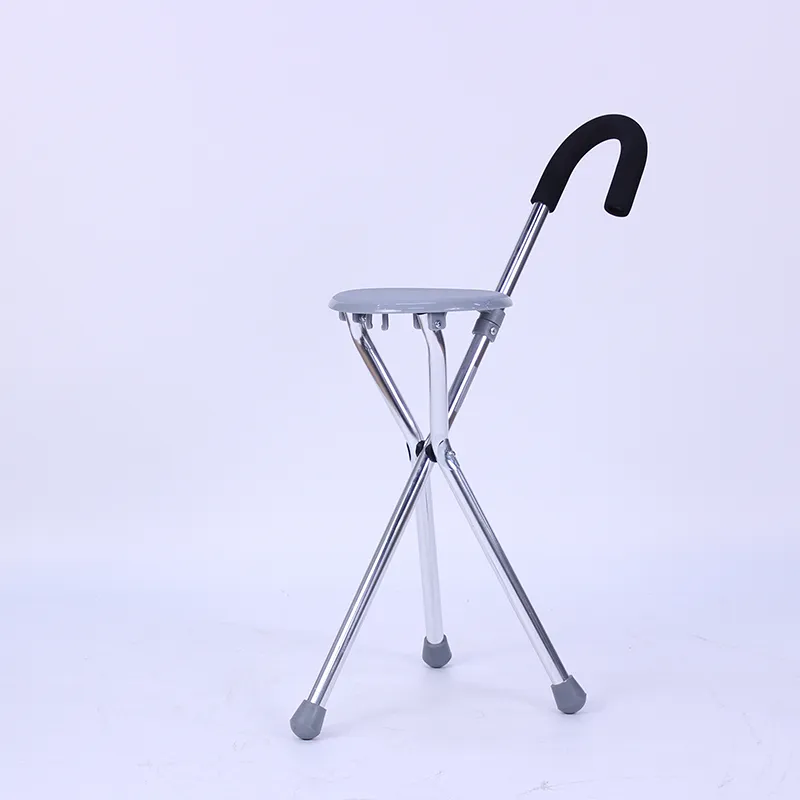
When do doctors recommend canes?
Doctors recommend walking canes when patients have mild to moderate walking problems, pain, balance issues, or frailty due to old age.
Walking canes are one of the most frequently prescribed walking aids by doctors because:
• Simple
• Effective
• Economical
• Easy to use
• Portable
• Significantly improves safety
Whether it's lower limb pain, balance instability, post-operative rehabilitation, or difficulty walking in the elderly, walking canes provide very practical help.
Why Should I Buy Electric Wheelchairs from Dayang Medical?
Guangdong Dayang Medical Technology Co., Ltd. is a trusted supplier and manufacturer of electric wheelchairs in China. Established in 2009, the company has two advanced R&D and production bases in Foshan and has earned CE certification as well as ISO13485, ISO9001, FDA, and TUV approvals. Dayang Medical produces high-quality electric wheelchairs that are safe, durable, and suitable for individual use, healthcare facilities, and wholesale purchases.