

For many, the word "cane" immediately conjures up an image of an elderly person with graying hair and a slow, unsteady gait. Whether in movies, advertisements, or real life, canes seem inextricably linked to concepts like aging, retirement, and reduced mobility. Consequently, when doctors recommend using a cane, many young and middle-aged people often feel resistant, thinking, "I’m not old yet; I don’t need a cane."
However, from a medical perspective, a walking stick is essentially a walking aid designed to help the user maintain balance, reduce weight-bearing on the lower limbs, improve mobility safety, and lower the risk of falls. The need for a walking stick is not strictly determined by age; rather, it depends on an individual's physical condition, medical history, mobility, and rehabilitation needs.
In fact, in hospital departments such as orthopedics, rehabilitation, neurology, and sports medicine, the age range of cane users is remarkably broad—spanning from teenagers with sports injuries and young adults in post-operative recovery to elderly individuals in their seventies and eighties.
So, why is there a widespread public perception that canes are exclusively for the elderly? How did this notion arise? At what age does someone actually need a cane? Is it normal for young people to use one? This article explores these questions from various angles—including social perception, medical principles, age, and medical conditions—to help foster a better understanding of the role of canes and who can benefit from them.
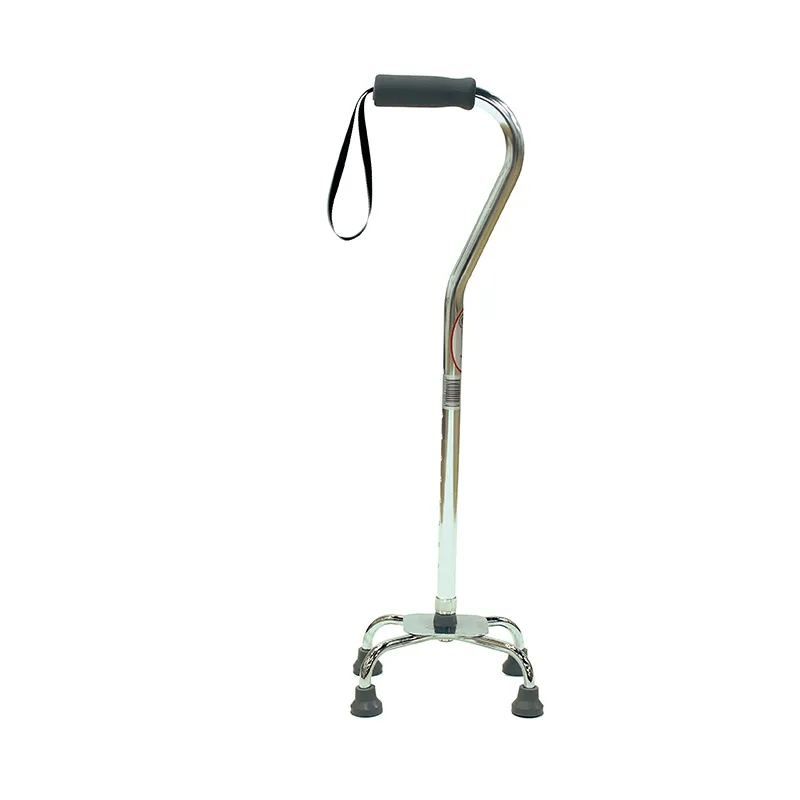
Why do people view canes as products exclusively for the elderly?
The tendency to directly associate canes with the elderly stems largely from real-world usage patterns.
Statistical data confirms that the elderly population has one of the highest rates of cane usage. According to figures from the World Health Organization (WHO) and various national aging research institutes, approximately 20% to 35% of people over the age of 65 use canes, walkers, or other walking aids at some point. Among the "oldest-old"—those over 80—this figure can exceed 50%. Given the large size of the elderly population and their frequent use of such aids, it is natural that the cane users most commonly seen in daily life are older adults. Over time, this has fostered a societal perception that equates canes with old age.
Secondly, film, television, and literature have long reinforced this stereotype. In many TV dramas, movies, and literary works, canes are frequently portrayed as symbols of frailty and aging. For instance, when screenwriters wish to depict a character as elderly and infirm, the simplest and most direct method is to give them a cane. Prolonged exposure to such cultural portrayals has led people to equate the use of a cane with advancing age.
Furthermore, the relatively underdeveloped state of medical technology and rehabilitation concepts in the past deepened this perception. Decades ago, many fracture patients would stop using canes once they recovered, meaning that long-term users were primarily those with chronic illnesses or the very elderly. Consequently, canes gradually came to be viewed in the public imagination as tools for the elderly.
In reality, this perception is incomplete. Modern medicine has long demonstrated that canes are not solely for the elderly; they are suitable for people of all ages who experience mobility impairments, balance issues, or a need for rehabilitation.
What is the true function of a walking stick?
Many people view walking sticks merely as aids to help the elderly walk, but in fact, their medical value extends far beyond that.
From a biomechanical perspective, walking requires the lower limbs to bear the body's entire weight while maintaining a stable center of gravity. If one leg is injured, muscle strength declines, or balance is compromised, the body's center of gravity shifts, significantly increasing the risk of falling.
In such cases, a walking stick provides an additional point of support, shifting the body from a two-point support system to one involving three or even four points, thereby enhancing overall stability.
Research indicates that proper use of a walking stick can reduce the weight-bearing load on the lower limbs by approximately 15% to 30%. This load-reducing effect is crucial for patients suffering from knee osteoarthritis or hip disorders, as well as those undergoing post-operative rehabilitation.
Beyond reducing weight-bearing stress, canes serve several other key functions:
First, they improve balance. For patients with neurological conditions—such as stroke, Parkinson's disease, or multiple sclerosis—canes help maintain physical stability and reduce the risk of falls.
Secondly, they facilitate rehabilitation. Many patients cannot immediately resume normal walking after procedures like fracture repair, joint replacement, or ligament reconstruction. Canes provide essential support during the recovery phase, helping patients gradually regain their motor function.
Thirdly, they enhance mobility and independence. For many individuals with reduced mobility, a suitable cane can enable them to return to work, shopping, socializing, and outdoor activities, thereby improving their quality of life.
Therefore, a cane is not merely a symbol of aging; it is a vital assistive tool that helps people maintain functional independence.
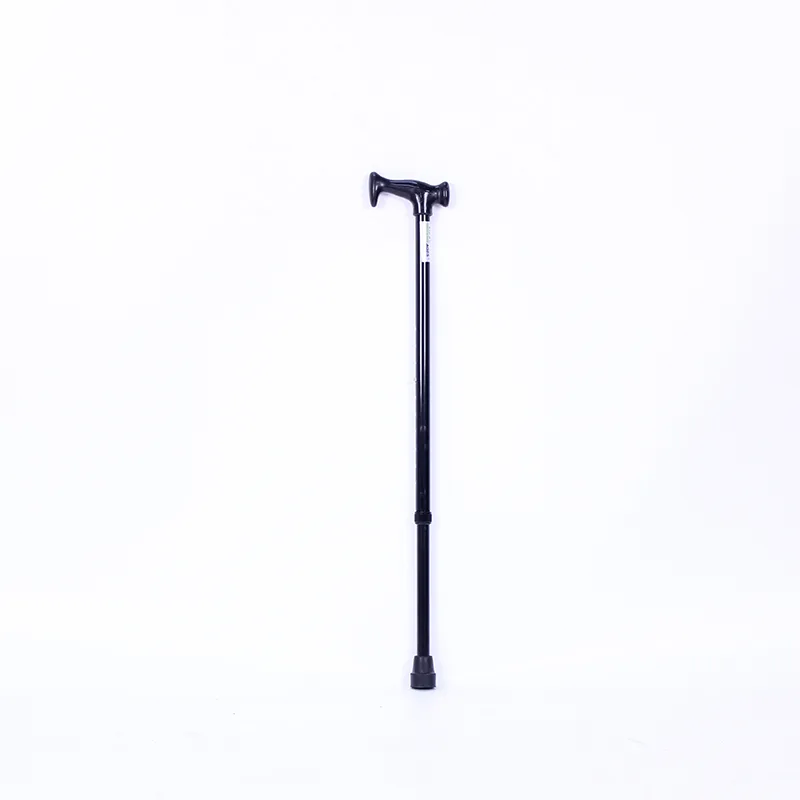
Cane Use and Age: A Correlation, Not an Absolute Rule
A common question people ask is: "At what age does one actually need a cane?"
In reality, there is no single answer to this question.
This is because the deciding factor is not age itself, but rather one's physical functional status.
Some 80-year-olds can still walk several kilometers daily without any assistive devices, whereas some 30-year-olds might require long-term cane use due to severe knee injuries.
Population-wide statistics show that the likelihood of using a cane does indeed increase with age.
Before the age of 50, most healthy adults generally do not require a walking stick.
Between the ages of 50 and 60, some individuals begin using canes due to joint degeneration, chronic pain, or sports injuries.
Between the ages of 60 and 70, the number of cane users rises significantly, particularly among those with knee osteoarthritis, lumbar spine disorders, or impaired balance.
People over the age of 70 constitute one of the primary groups using walking sticks.
However, these are merely statistical trends and cannot determine whether a specific individual needs a walking stick.
Doctors typically do not base the recommendation for a walking stick on age alone; instead, they make decisions based on gait analysis, muscle strength assessments, balance tests, and fall risk evaluations.
In other words, a person might be 70 years old chronologically but possess the physical functional age of a 50-year-old; conversely, someone might be only 40 years old but require a walking stick for walking due to a medical condition.
Which young people might also need to use crutches?
Many people are unaware that young people also make up a significant group of crutch users.
In the field of sports medicine, conditions such as anterior cruciate ligament (ACL) tears, meniscus injuries, ankle fractures, and Achilles tendon ruptures are quite common. Patients with these injuries often require crutches for weeks or even months following surgery.
For instance, after ACL reconstruction, patients typically need to use a pair of crutches for partial weight-bearing exercises before gradually transitioning to a single crutch and eventually regaining a normal gait.
Patients who have sustained fractures from traffic accidents are another major group of crutch users. Regardless of age, as long as the lower-limb bones have not yet fully regained their weight-bearing capacity, crutches can help alleviate the load on the injured area.
Additionally, young people with certain neurological conditions may also require crutches. Examples include:
•Patients with cerebral palsy;
•Patients with spinal cord injuries;
•Patients with muscular dystrophy;
•Patients with multiple sclerosis;
•Patients with the aftereffects of a stroke.
Many individuals in these groups begin using crutches during adolescence and rely on them to maintain a high level of independence in their daily lives.
Therefore, simply categorizing crutches as products for the elderly overlooks the genuine needs of a large number of young users.
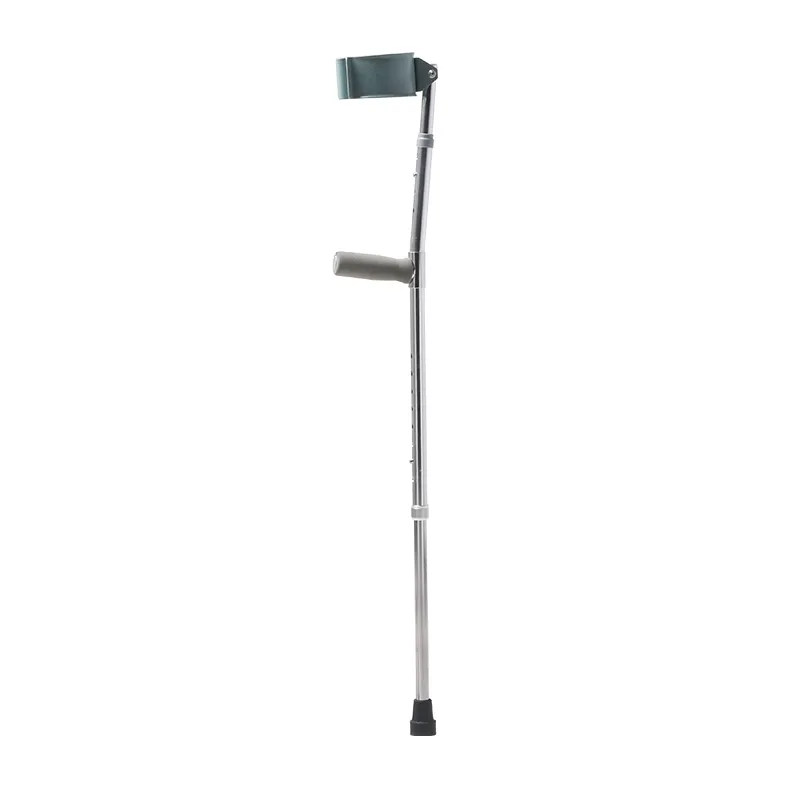
Why do some people refuse to use crutches even when they need them?
A noteworthy phenomenon is that many individuals refuse to use crutches despite exhibiting obvious gait abnormalities or facing a risk of falling.
Research indicates that this behavior is particularly common among the middle-aged and elderly.
One reason is psychological perception. Many people associate using crutches with aging or physical decline, leading to resistance.
A second reason is the influence of social stigma. Because the public has long associated crutches with aging, some fear being perceived by others as "frail, sick, or disabled."
Others believe their mobility issues are merely temporary and are unwilling to accept the assistance provided by assistive devices.
However, from a medical perspective, this mindset can entail greater risks.
Data shows that approximately one-third of adults over the age of 65 experience a fall each year, and falls are a leading cause of hip fractures, traumatic brain injuries, and long-term disability. For individuals with existing balance issues, the proper use of a walking stick can significantly reduce the risk of falling. Rather than refusing to use a walking stick due to concerns about appearance, it is better to view it as a proactive tool for managing one's health.
Modern canes have evolved beyond the traditional wooden stick
The assistive device industry has advanced rapidly, leading to significant changes in walking stick design.
While people once associated canes primarily with simple wooden structures, the market today offers a wide variety of options.
Examples include:
•Single-point canes;
•Quad canes (four-legged bases);
•Forearm crutches;
•Underarm crutches;
•Folding canes;
•Shock-absorbing canes;
•Smart canes;
•Navigation-enabled canes.
Some high-end smart canes even feature GPS tracking, fall alerts, health monitoring, and emergency calling capabilities.
Modern canes also boast more stylish designs. Manufacturers are increasingly producing lightweight aluminum alloy walking sticks, carbon fiber models, and personalized designs, helping canes shed the traditional stigma of being merely "products for the elderly."
In some Western countries, young people with disabilities may even view their walking sticks as an expression of personal style rather than just an assistive device.
This shift reflects a broader change in how society perceives walking sticks.
How do you determine if you need a walking stick?
There are a few simple criteria to help the average person decide whether to consult a doctor about using a walking stick.
You should seek a professional assessment if: you frequently feel unsteady or stumble while walking; you need to grip handrails tightly when going up or down stairs; you have a noticeably abnormal gait due to pain in your knees, hips, or ankles; or you have experienced a fall or a near-fall in the past year.
Additionally, doctors often recommend specific types of canes based on recovery progress for individuals who have recently undergone orthopedic surgery, treatment for neurological conditions, or rehabilitation for severe sports injuries.
It is important to note that there is no "best" time—neither too early nor too late—to start using a walking stick; rather, it should be used appropriately under professional guidance. Relying on one too early might hinder muscle strength recovery, while delaying use could increase the risk of falls and injuries.
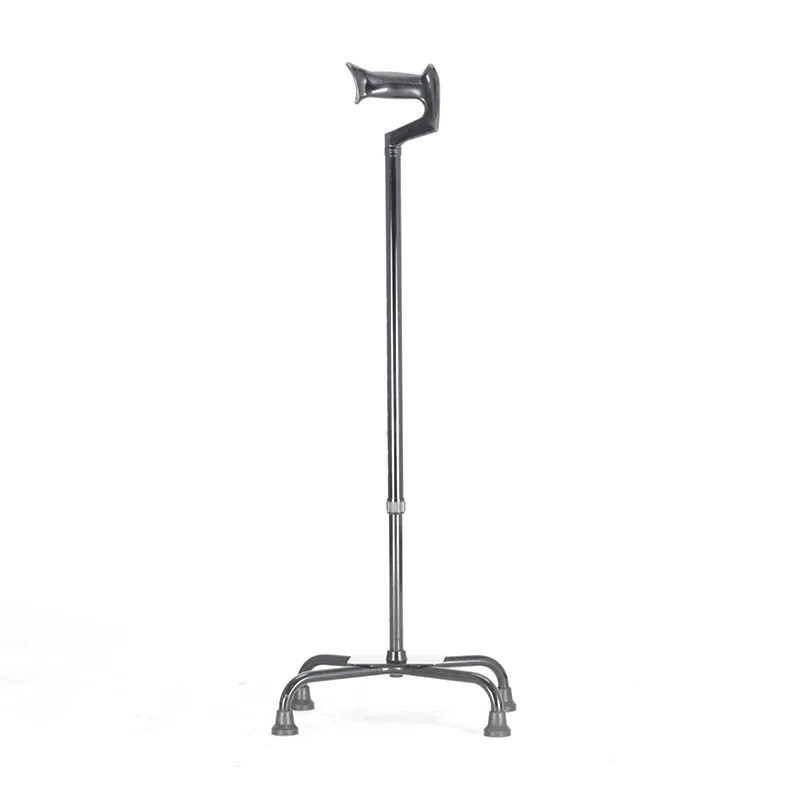
FAQ
FAQ 1: At what age should one start using a walking stick?
There is no fixed age requirement. The need for a walking stick depends primarily on physical functional status, balance, and the underlying medical condition, rather than age alone. Some 30-year-olds require a cane, while some 80-year-olds do not.
FAQ 2: Is it normal for young people to use a walking stick?
It is perfectly normal. Sports injuries, fractures, post-surgical rehabilitation, neurological disorders, and certain congenital conditions can all lead young people to use a cane.
FAQ 3: Will using a walking stick cause my legs to become weaker?
Not if used correctly. Doctors and rehabilitation therapists will plan appropriate weight-bearing exercises based on the stage of recovery. The real issue is often prolonged inactivity, rather than the use of the walking stick itself.
FAQ 4: What is the difference between a single-tip cane and a quad cane?
A single-tip cane is suitable for mild balance issues and partial weight relief; a quad cane offers a larger base of support and greater stability, making it ideal for individuals with poor balance or a high risk of falling.
FAQ 5: Can using a walking stick help with knee pain?
Yes, it can. Proper use of a walking stick reduces the load on the knee joint, alleviates pain, and improves walking stability—benefits that are particularly helpful for patients with knee osteoarthritis.
FAQ 6: How do I choose the right walking stick?
Selection should be based on height, weight, medical condition, and intended use. It is recommended to select and adjust the walking stick under the guidance of a doctor, rehabilitation therapist, or assistive device specialist to ensure safety and comfort.