

In today's aging society, wheelchairs have long since become an indispensable mobility aid in the lives of many older adults.
Ranging from traditional manual wheelchairs to more sophisticated electric models, the variety of wheelchairs available is constantly expanding—a fact that often leaves many families feeling confused when trying to make a choice.
So, which type of wheelchair is truly best suited for the elderly?
And why are an increasing number of families opting for "electric wheelchairs"?
Focusing on the subject of "electric wheelchairs," this article will provide a systematic and professional guide to selecting a wheelchair for the elderly. We will address this topic from multiple perspectives, including structural features and functionality, suitability for specific users, usage scenarios, safety considerations, and key purchasing criteria.
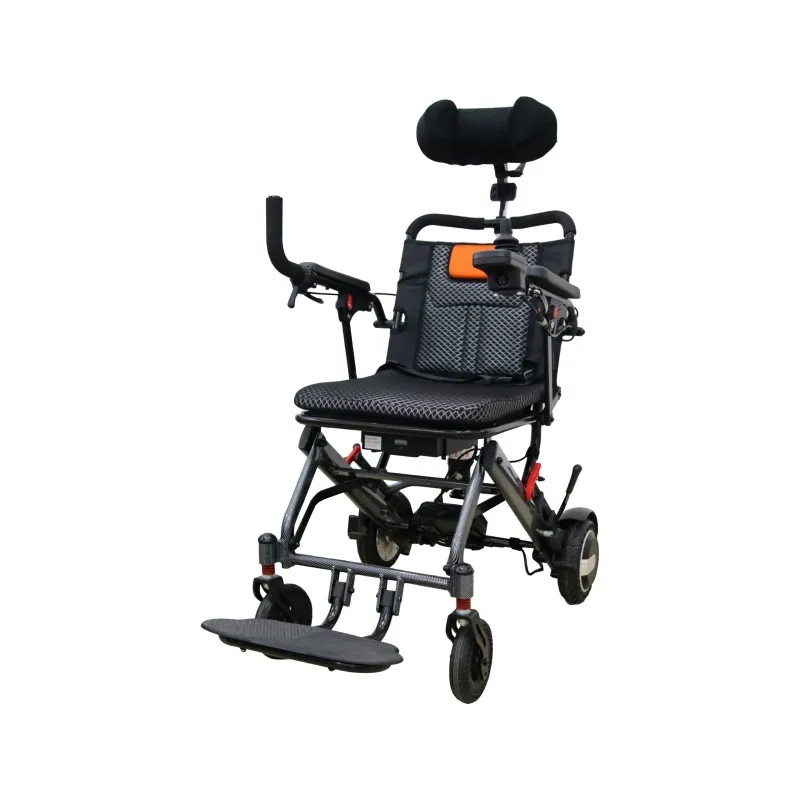
Why Do the Elderly Need Wheelchairs?
As people age, it is common for them to experience issues such as lower-limb weakness, joint degeneration, declining balance, or mobility impairments resulting from chronic health conditions.
In such circumstances, a wheelchair serves as far more than just a means of transportation; it is a vital device that helps older adults regain their independence and dignity.
The primary functions of a wheelchair include:
• Mobility Assistance: Enabling older adults to move freely without being entirely dependent on others;
• Providing Support: Reducing the risk of falls;
• Improving Quality of Life: Making daily outings, shopping trips, and walks effortless;
• Aiding Caregiving: Alleviating the physical burden on family members or professional caregivers.
While traditional manual wheelchairs are economical and practical, they require either the user or another person to push them.
The advent of electric wheelchairs, however, has revolutionized mobility for the elderly, allowing them to venture out and engage in activities with greater ease and autonomy.
What Is an Electric Wheelchair?
An electric wheelchair is an intelligent mobility device powered by electricity, allowing the user to control both direction and speed.
It utilizes a system comprising motors, batteries, and controllers to enable automated movement, thereby eliminating the need for manual pushing.
The core structural components of an electric wheelchair include:
• Motor System: Drives the front and/or rear wheels to facilitate forward motion, reverse movement, and steering;
• Battery Pack: Provides the electrical energy required for operation;
• Controller: Allows the user to steer and adjust direction via a joystick or control panel;
• Seating System: Ergonomically designed, with some models featuring adjustable backrest angles;
• Braking System: Equipped with electromagnetic brakes to ensure safety while in motion.
Compared to manual wheelchairs, electric wheelchairs offer simpler operation, require less physical effort, and provide greater comfort—making them particularly well-suited for older adults, individuals with limited mobility, or those with reduced physical strength.
What advantages do electric wheelchairs offer compared to manual wheelchairs?
Many families hesitate when making a purchase—wondering whether or not they should opt for an electric wheelchair.
Below is a comparison of the two types, designed to clearly highlight the specific advantages of electric wheelchairs.
Feature | Manual Wheelchair | Electric Wheelchair
Propulsion Method | Relies on arm strength or assistance from others | Motor-driven; automatically controlled
Ease of Operation | High physical exertion required | Simple to operate; controlled via a joystick/handle
Target Users | Those with good physical strength or access to a caregiver | Those with limited mobility who desire independent travel
Travel Distance | Short distances | Long distances (range of approx. 10–25 km)
Comfort Level | Standard | High; features adjustable backrests and footrests
Usage Environment | Indoors or on flat, level ground | Suitable for both indoor and outdoor use
Price Range | 200–1,000 RMB | 1,000–5,000 RMB (varies)
For seniors who wish to maintain their independence in getting around and minimize physical exertion, an electric wheelchair is the more suitable choice.
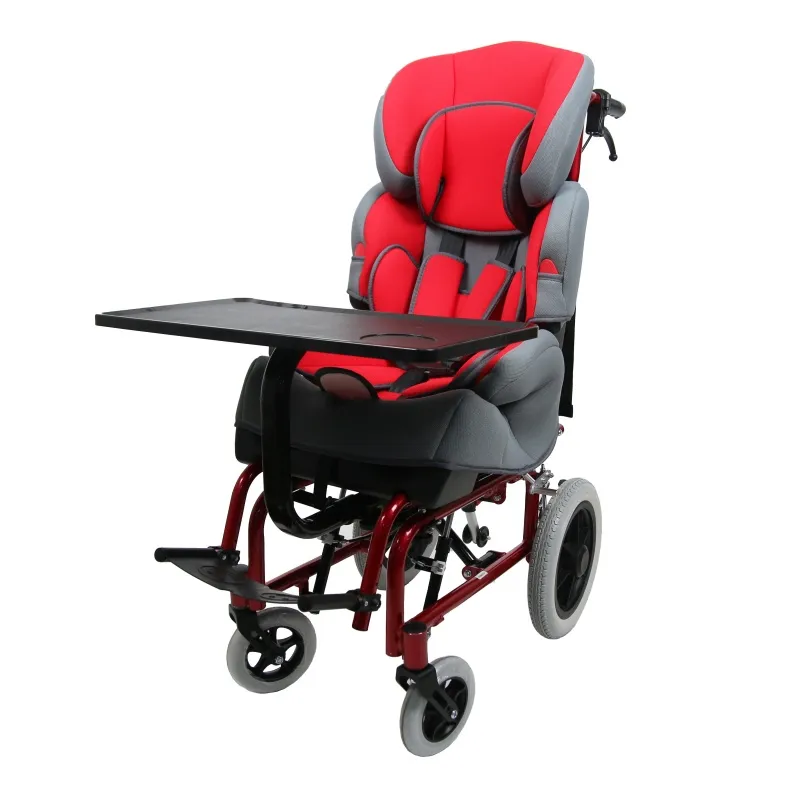
Are electric wheelchairs suitable for the elderly?
Many people worry about whether it is safe for seniors to operate an electric wheelchair, or if the learning curve is too steep.
In reality, electric wheelchairs are designed specifically with the elderly in mind.
Key Design Principles of Electric Wheelchairs:
• Ease of Operation: Simple joystick control with intuitive steering;
• Safety & Stability: Equipped with anti-tipping and anti-rollback mechanisms;
• Comfort & Support: Adjustable backrests, headrests, and footrests;
• Responsive Braking: Automatically brakes the moment the control lever is released;
• Optional Features: Available options include foldable frames, detachable batteries, suspension systems, and more.
Therefore, for seniors with limited upper-body strength or restricted mobility who wish to remain active and go out, an electric wheelchair is not only safe and reliable but also significantly enhances their independence in daily life.
What types of electric wheelchairs are available? Which type is best suited for the elderly?
Electric wheelchairs can be categorized into various types based on factors such as structural design, propulsion method, and intended usage environment. Understanding these classifications helps in selecting the model that is most appropriate for seniors.
1. Classification by Propulsion Method
Front-Wheel Drive Electric Wheelchairs
• Pros: Highly maneuverable with a tight turning radius; ideal for indoor use.
• Cons: Slightly reduced traction on uneven or rough terrain. Mid-Wheel Drive Electric Wheelchairs
• Pros: Smallest turning radius, excellent stability;
• Cons: Complex structure, slightly higher price point.
Rear-Wheel Drive Electric Wheelchairs
• Pros: Powerful performance, suitable for outdoor and long-distance use;
• Cons: Large turning radius, not suitable for confined spaces.
For seniors, if the wheelchair will be used primarily within the home or local community, a mid-wheel or front-wheel drive model is recommended, as these are safer and easier to control.
2. Classification by Wheelchair Structure and Function
Foldable Electric Wheelchairs
• Can be folded quickly, making them easy to transport and store;
• Suitable for seniors with limited living space or those who frequently travel outside the home.
Lightweight Electric Wheelchairs
• Constructed from materials such as aluminum alloy or carbon fiber; lightweight and easy to handle.
Comfort-Focused Electric Wheelchairs
• Equipped with a high backrest, headrest, and footrests, allowing for comfortable seating over extended periods.
Multifunctional Electric Wheelchairs
• Feature adjustable angles and lifting capabilities; suitable for long-term care settings.
When making a selection, one should take into account the senior's usage environment, physical condition, and specific care requirements.
Which Seniors Are Particularly Suited for Electric Wheelchairs?
Not every senior requires an electric wheelchair; however, they are particularly beneficial for the following groups:
• Those with mobility difficulties in their legs but with good upper-body function;
• Those with unsteady gait caused by arthritis, osteoporosis, or muscle weakness;
• Seniors in the rehabilitation phase following a stroke who have limited mobility;
• Those who need to travel long distances or frequently venture out independently;
• Seniors living independently without the constant presence of a caregiver.
Electric wheelchairs empower these individuals to achieve "independent mobility" and regain the freedom to venture out.
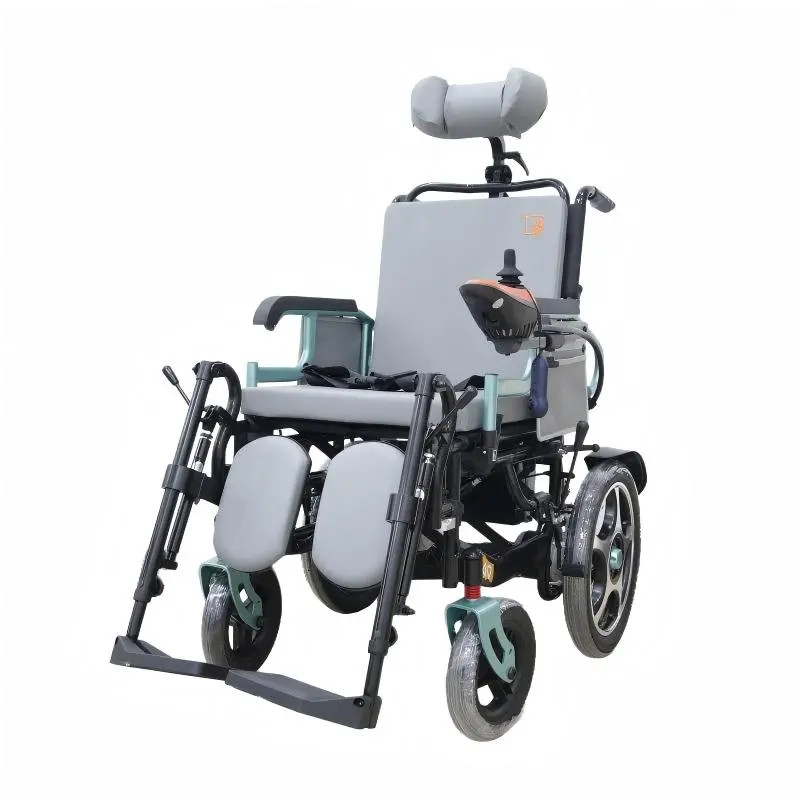
Are Electric Wheelchairs Safe for Seniors?
Safety is a primary concern for every family. In fact, modern electric wheelchairs are designed with the specific safety needs of seniors fully in mind. The safety design of electric wheelchairs primarily includes:
• Anti-tipping system: Prevents backward tipping when ascending or descending slopes;
• Electromagnetic brakes: Stops immediately upon releasing the controls, preventing unintended rolling;
• Shock absorption system: Cushions against bumps in the road surface through specialized damping structures;
• Seatbelt and armrest design: Maintains a stable seated posture;
• Battery level warning and speed limiter: Prevents unexpected power loss and excessive speed.
Therefore, provided it is used correctly, an electric wheelchair offers a very high level of safety.
How to Use an Electric Wheelchair Correctly?
Proper usage methods maximize both safety and comfort.
Basic Steps for Using an Electric Wheelchair:
• Check that the battery charge is sufficient and the tires are in good condition;
• Once seated securely, fasten the seatbelt and ensure the footrests are positioned correctly;
• Before starting, ensure the brakes are released and the surrounding area is free of obstacles;
• Use the joystick/controls to steer and adjust speed, maintaining a smooth and steady ride;
• Slow down and proceed with caution when ascending or descending slopes;
• When stopping, turn off the power and engage the brakes.
Proper usage habits not only extend the lifespan of the device but also help prevent accidents.
Maintenance and Care of Electric Wheelchairs
As electric wheelchairs are electrical devices, routine maintenance is crucial.
1. Battery Maintenance
• Avoid completely draining the battery before recharging;
• If the wheelchair is not used for an extended period, charge it once a month;
• Ensure the charging environment is dry and well-ventilated.
2. Cleaning and Care
• Regularly remove dust and dirt; avoid washing the motor directly with water;
• The seat cushion is removable and washable; keep it clean;
• Periodically check for loose screws or control components.
3. Tire and Brake Inspection
• Maintain proper tire pressure (for pneumatic tires) or check for wear on solid tires;
• Periodically test the responsiveness of the brakes.
Proper maintenance ensures that the electric wheelchair operates stably, safely, and reliably.
Electric Wheelchair Range and Charging
The driving range of an electric wheelchair primarily depends on battery capacity, terrain conditions, and the user's weight.
General Specifications:
• Standard Range: 10–25 kilometers;
• Charging Time: 6–8 hours;
• Battery Lifespan: Approximately 1.5–3 years.
It is recommended to charge the wheelchair after every use to prevent prolonged low-battery states, which can negatively impact battery performance.
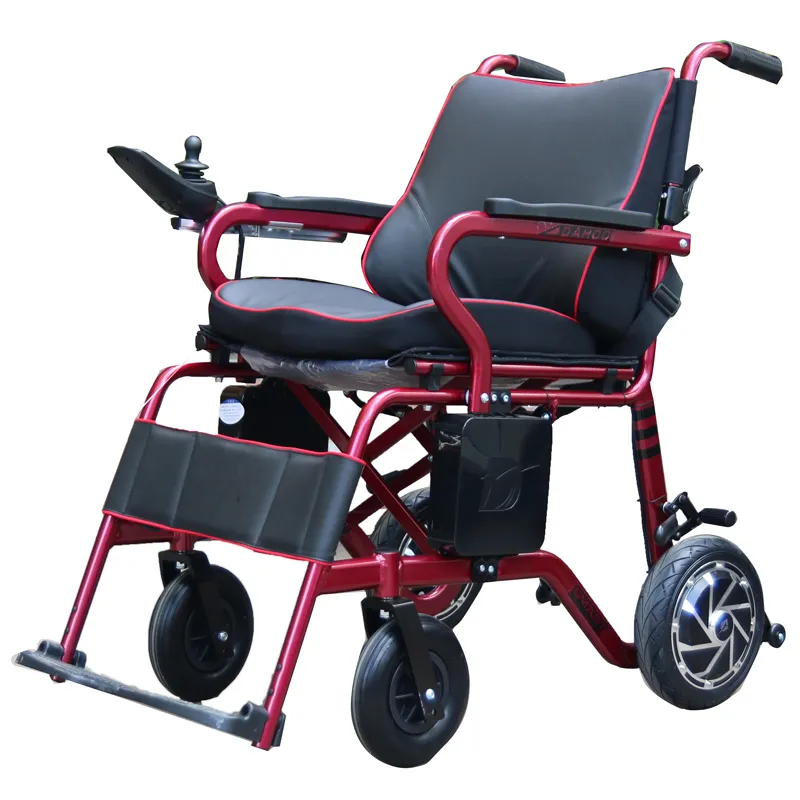
What factors should be considered when purchasing an electric wheelchair?
When selecting an electric wheelchair suitable for the elderly, one should comprehensively evaluate three key aspects: safety, comfort, and ease of use.
Key Buying Considerations:
• Is the control system simple and intuitive?
• Is it equipped with anti-tipping mechanisms and braking systems?
• What is the comfort level and ergonomic support provided by the seat?
• What are the materials used for the frame, and what is its weight capacity?
• Is it foldable and easy to transport?
• Are after-sales service and spare parts readily available?
Before making a purchase, it is highly recommended to have the elderly user sit in and test the wheelchair personally to ensure comfortable operation and responsive controls.
Usage Recommendations for Different Environments
Indoor Use:
• Choose a model with a compact size and agile maneuverability.
• Ensure flooring is non-slip and avoid wet or slippery areas.
• Keep hallways and passageways clear and unobstructed.
Outdoor Use:
• Ensure the battery is fully charged.
• Avoid steep inclines or rough, uneven terrain.
• Always wear a seatbelt while driving to maintain stability and balance.
Adopting proper usage habits tailored to the environment can significantly enhance both safety and comfort.
FAQ
Q1: Do I need a driver's license to operate an electric wheelchair?
A: No. Electric wheelchairs are classified as medical assistive devices, not motor vehicles.
Q2: Can electric wheelchairs be used in the rain?
A: It is not recommended. Rain can expose the control unit to moisture, so usage in wet weather should be avoided whenever possible.
Q3: Can an electric wheelchair be folded and transported in a car?
A: Most models feature a foldable design or removable batteries, making them convenient for transport and storage.
Q4: How often does the battery need to be replaced?
A: This depends on the frequency of use; generally, the battery requires replacement every 18 to 36 months.