

As people age, many seniors experience difficulty with daily mobility due to leg weakness, decreased balance, or chronic illnesses. Wheelchairs become essential assistive devices to help seniors maintain independence and move safely. However, with the wide variety of wheelchairs on the market, many people are confused: which type of wheelchair is best for seniors?
Among the many options, electric wheelchairs and manual wheelchairs are the two most common categories. Each has its advantages and limitations, suitable for different physical conditions and usage needs. This article will provide an in-depth analysis from multiple perspectives, including structure, operation, comfort, safety, and maintenance costs, to help you choose the most suitable wheelchair for seniors.
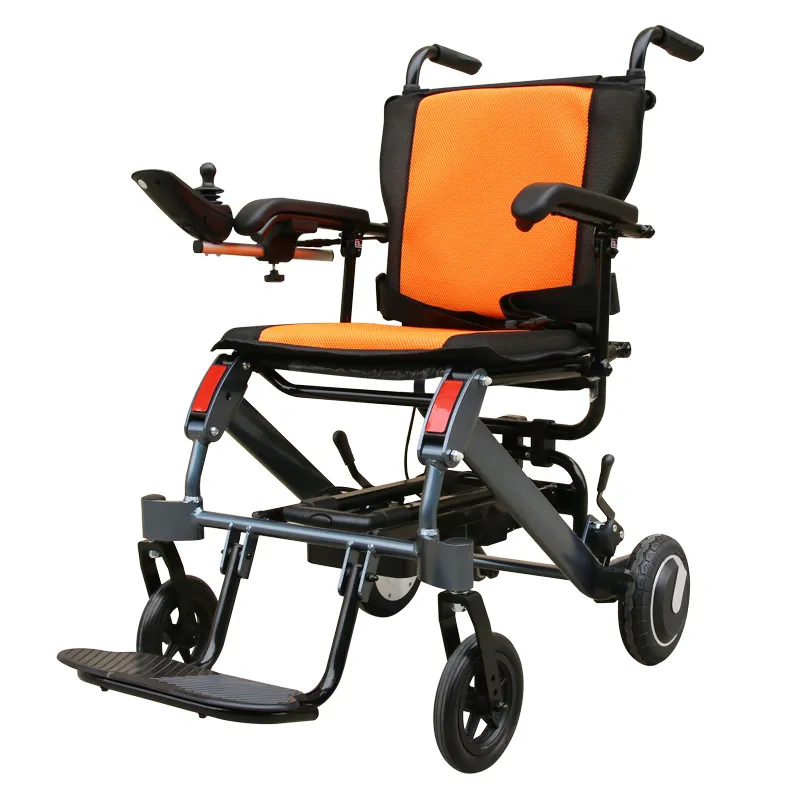
Why do seniors need to use wheelchairs?
Seniors often need wheelchair assistance for the following reasons:
• Decreased lower limb muscle strength, making it difficult to walk for extended periods;
• Weakened balance, increasing the risk of falls;
• Joint degeneration or arthritis, causing pain during movement;
• Stroke or neurological diseases, leading to limb coordination difficulties;
• Post-surgical recovery or long-term care.
A wheelchair is not just a means of transportation, but a crucial device for restoring independent living and improving quality of life. Therefore, when choosing, you should focus on the senior's physical condition, frequency of use, and range of activity.
What are the basic differences between electric and manual wheelchairs?
What are the structural and operational differences between electric and manual wheelchairs?
Understanding the structure and working principles of both is the first step in making the right choice.
Comparison Items | Electric wheelchair | Manual wheelchair |
| Power Source | Motor-driven, powered by batteries | Propelled manually by the user or pushed by a caregiver |
| Operating Method | Operated via joystick or buttons | Propelled via the wheel rims or push handles |
| Weight | Relatively heavy (25–45 kg) | Lightweight (10–20 kg) |
| Movement Distance | Capable of traveling long distances (10–20 km) | Suitable for short-distance mobility |
| Maintenance Requirements | Requires charging and motor maintenance | Simple structure, low maintenance |
Price Range | Higher cost | Lower cost |
| Target Users | Suitable for elderly people with limited mobility or weak physical strength | Suitable for users with sufficient physical strength and for short-term use |
From the above comparison, it can be seen that electric wheelchairs are more suitable for seniors with severely limited mobility or those who need to use a wheelchair for extended periods, while manual wheelchairs are suitable for temporary, short-term, or rehabilitation use.
Which seniors are suitable for electric wheelchairs?
What conveniences do electric wheelchairs offer?
Electric wheelchairs are driven by a motor, allowing seniors to move without relying on external force. They are especially suitable for the following groups:
1. Seniors with insufficient arm strength or those suffering from joint diseases
Electric wheelchairs do not require manual pushing; users only need to use a joystick to move forward, backward, or turn. This is the most effortless option for users with weakened arm or shoulder strength.
2. Seniors who need independent mobility
For seniors who want to move freely at home, in the community, or outdoors, electric wheelchairs provide greater freedom and independence.
3. Users who rely on wheelchairs long-term
Electric wheelchairs are equipped with comfortable seats, support systems, and shock absorption designs, making them more suitable for prolonged sitting and less prone to fatigue.
What are the advantages of electric wheelchairs?
• Easy to operate: Controlled by a joystick, requiring only a gentle push of the finger;
• Strong climbing ability: Suitable for slight slopes and uneven ground;
• High comfort: Equipped with soft cushions, backrests, and shock-absorbing wheels;
• Saves energy: No manual pushing required;
• Long travel distance: Can travel tens of kilometers on a single charge.
What are the disadvantages of electric wheelchairs?
• Higher price;
• Heavy weight, inconvenient to carry;
• Requires regular charging and maintenance;
• Not suitable for confined spaces (such as old elevators or narrow corridors).
Therefore, if elderly people mainly engage in outdoor activities and need transportation over longer distances, an electric wheelchair is an ideal choice.
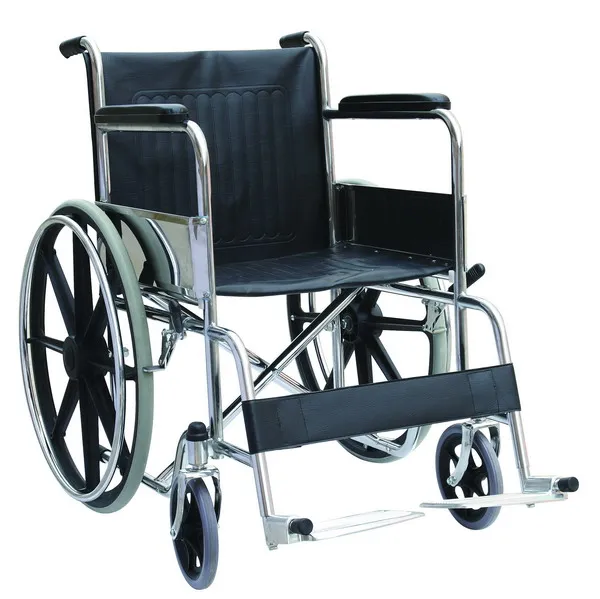
Which elderly people are more suitable for manual wheelchairs?
Are manual wheelchairs suitable for elderly people with good physical strength?
Manual wheelchairs are propelled by the user or a caregiver, have a simple structure, and are easy to operate. They are suitable for the following people:
• Elderly people with sufficient upper body strength who can actively propel themselves;
• Users who only use a wheelchair for short periods or short distances;
• Elderly people who need to move short distances on flat surfaces in hospitals, homes, etc.;
• Those who need a lightweight, easily foldable, and portable device.
Advantages of manual wheelchairs
• Lightweight: Easy to carry, store, and fold;
• Low cost: Affordable price and low maintenance costs;
• Simple structure: No batteries or complex components required;
• Wide applicability: Can be used on flat surfaces indoors and outdoors;
• Easy to clean and maintain.
Limitations of manual wheelchairs
• Requires the user to have a certain amount of arm strength;
• Prolonged pushing can easily lead to fatigue;
• Not suitable for ramps or long-distance travel;
• Lower independence if no assistance is available.
Manual wheelchairs are most suitable for elderly people with relatively good physical function or those who only need transportation for short periods.
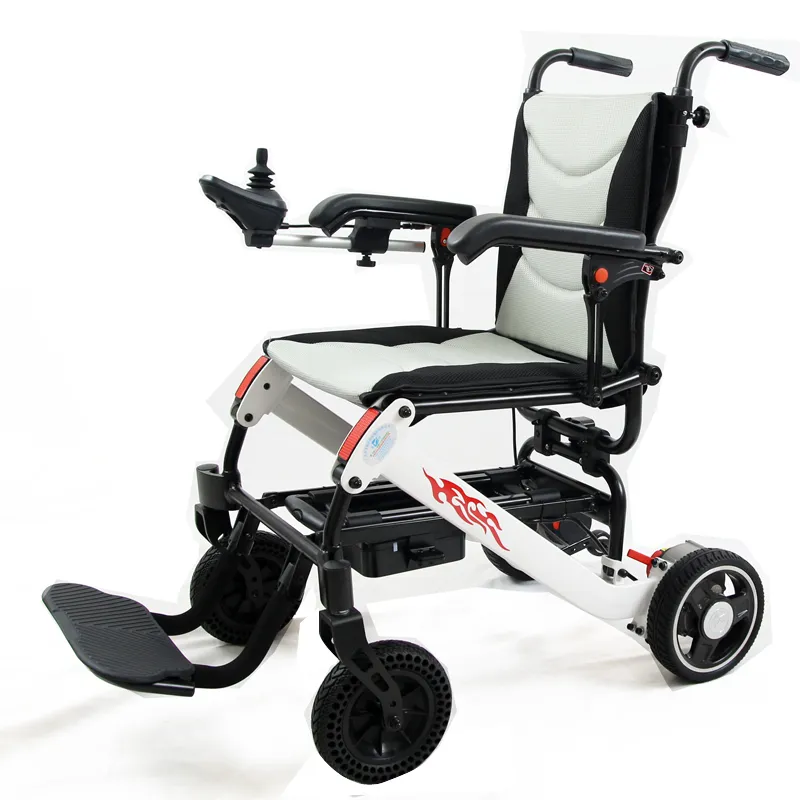
How to determine whether an electric or manual wheelchair is more suitable?
When choosing a wheelchair, you should not only consider the price or brand, but also comprehensively consider the user's physical condition, activity range, and living environment. The following are key factors to consider when purchasing a wheelchair:
1. Physical Condition
If you have weak arm and leg strength or poor balance → an electric wheelchair is recommended;
If you have good upper body strength and only partial mobility limitations → a manual wheelchair may be suitable.
2. Usage Scenario
Mainly for outdoor use and community activities → an electric wheelchair is more convenient;
Mainly for use at home or in hospitals → a manual wheelchair is more flexible.
3. Transportation and Storage
If you frequently need to get in and out of vehicles or elevators → a lightweight manual wheelchair is more suitable;
For long-term fixed use → the weight of an electric wheelchair is not a significant issue.
4. Budget and Maintenance
Electric wheelchairs are more expensive (approximately 3-5 times the price of manual wheelchairs), and battery replacement needs to be considered;
Manual wheelchairs are simple to maintain, resulting in lower long-term costs.
5. Operating Ability
If the elderly person can understand and operate the control lever → they can safely use an electric wheelchair;
If they are unfamiliar with electronic devices or have impaired memory → a manual wheelchair is safer and more reliable.
What are the differences in safety between electric and manual wheelchairs?
Which type of wheelchair is safer and more stable?
Safety is the primary consideration for elderly people when choosing a wheelchair.
1. Electric Wheelchair Safety Analysis
Electric wheelchairs are equipped with anti-tipping devices, braking systems, and speed control functions, which can effectively prevent accidental sliding. However, improper use in confined spaces or on slopes may pose safety hazards. Therefore, users need to be familiar with the control system.
2. Manual Wheelchair Safety Analysis
Manual wheelchairs have a simple structure and do not rely on a motor, so there is almost no risk of system failure. Their safety is higher if there is a caregiver assisting. However, when used alone, prolonged pushing may lead to fatigue, increasing the risk of tipping.
Summary:
If you prioritize stable control and independent mobility, choose an electric wheelchair; if you prioritize portability and simple safety, a manual wheelchair is more ideal.
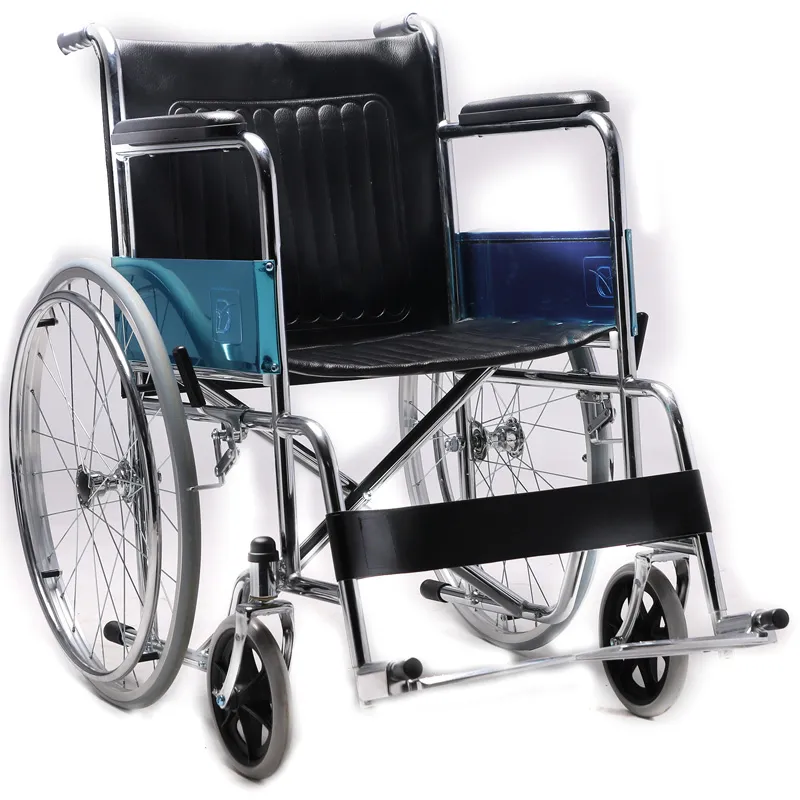
From a maintenance and lifespan perspective, which type of wheelchair is more cost-effective?
Is electric wheelchair maintenance complicated? Are manual wheelchairs more durable?
1. Electric Wheelchair Maintenance
Requires regular charging, battery replacement, and motor maintenance. The electric system is complex, and improper maintenance can lead to high repair costs.
2. Manual Wheelchair Maintenance
Maintenance is extremely simple, requiring only regular cleaning and checking of screws and tire condition. The sturdy structure generally results in a longer lifespan.
3. Lifespan Comparison
• Electric Wheelchairs: Approximately 5–8 years (depending on battery life and frequency of use);
• Manual Wheelchairs: Approximately 8–10 years, and can last even longer with proper maintenance.
Overall, manual wheelchairs tend to have a longer lifespan, but offer slightly less comfort and functionality.
Should seniors choose an electric or manual wheelchair?
Based on the analysis above, the following conclusions can be drawn:
• Seniors suitable for electric wheelchairs: Those with insufficient physical strength, limited mobility, who need to go out independently, and those who rely on a wheelchair long-term.
• Seniors suitable for manual wheelchairs: Those with sufficient physical strength, who only need to use a wheelchair for short periods, and those who need a lightweight, foldable, and portable option.
The final choice should be based on the senior's physical condition, safety needs, and usage habits.
If conditions permit, many families even choose to use both types of wheelchairs: a manual wheelchair for indoor use and an electric wheelchair for outdoor activities, achieving a balance of comfort and efficiency.
Are Dayang Medical products suitable for home care?
Yes, our products are widely used in home care and personal mobility solutions. This includes manual and electric wheelchairs, commodes, and walkers. Buyers can purchase directly from our factory in China at low prices and wholesale rates. All items are high quality, durable, and certified for safety.
Dayang Medical also provides quotes, discount promotions, and customized options, making it easy for families, distributors, and small retailers to access reliable home care products.