

In modern hospitals, the electric ICU bed stands as one of the most critical pieces of medical equipment within the Intensive Care Unit (ICU). It serves not merely as a platform for patient rest and treatment, but as a sophisticated medical hub that integrates monitoring, nursing care, and life support capabilities.
Many people may wonder: What kind of patients actually require the use of an electric ICU hospital bed?
Not all hospitalized patients require this specialized equipment; it is primarily designed to serve critically ill patients who require continuous monitoring, life support, or complex nursing care.
This article will systematically address this question by examining the functional features, clinical applications, applicable patient profiles, usage standards, and medical significance of electric ICU beds.
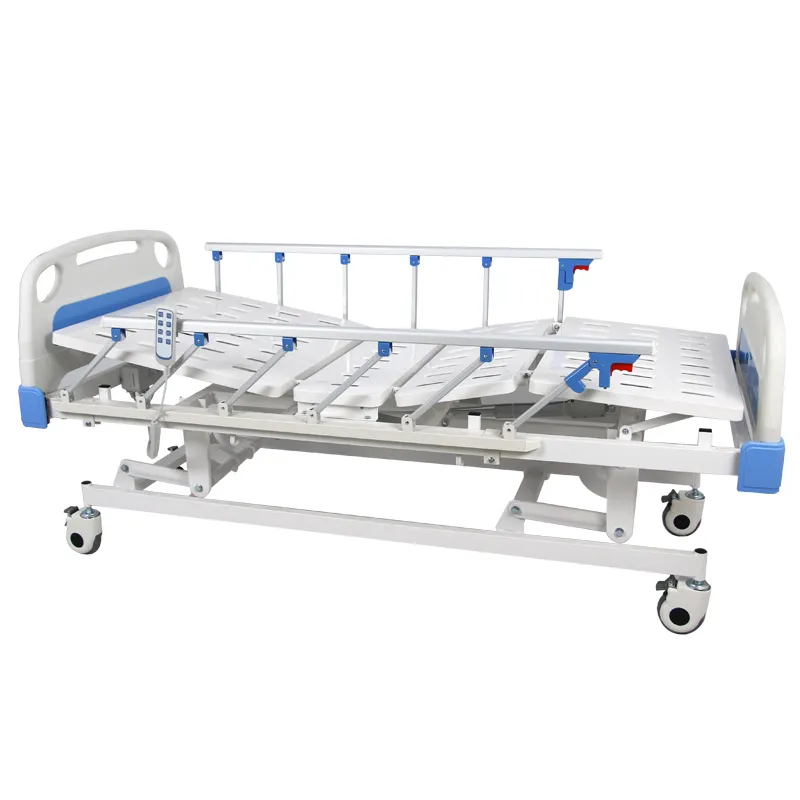
What is an Electric ICU Bed?
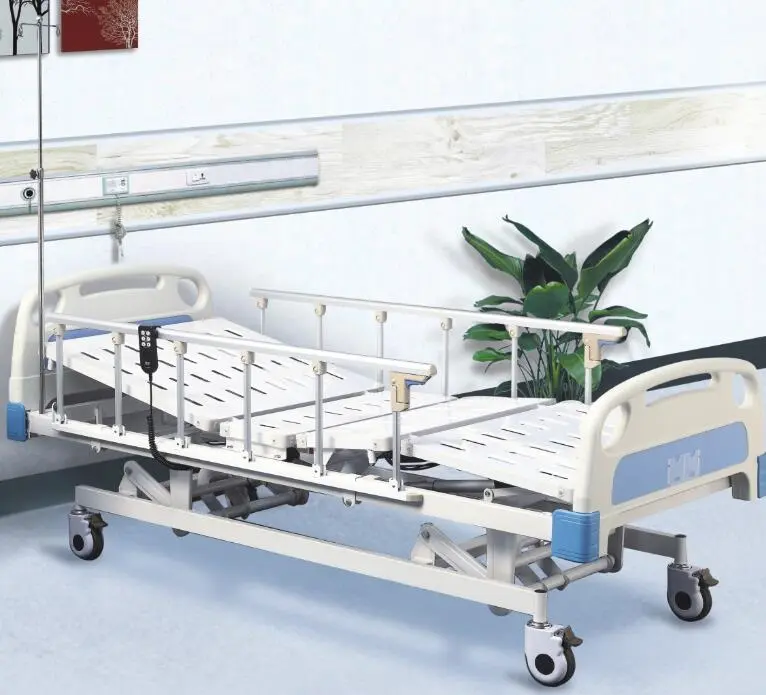
An electric ICU bed is a high-tech bed specifically engineered for the intensive care environment. Utilizing a motor-driven system, it allows for multi-angle bed adjustments and precise patient positioning via buttons or a control panel. Compared to standard electric hospital beds, the ICU version offers a more comprehensive suite of functions and enhanced safety features, thereby meeting the complex medical and nursing requirements of critically ill patients.
The core features of an electric ICU bed include:
1. Multi-Motor System
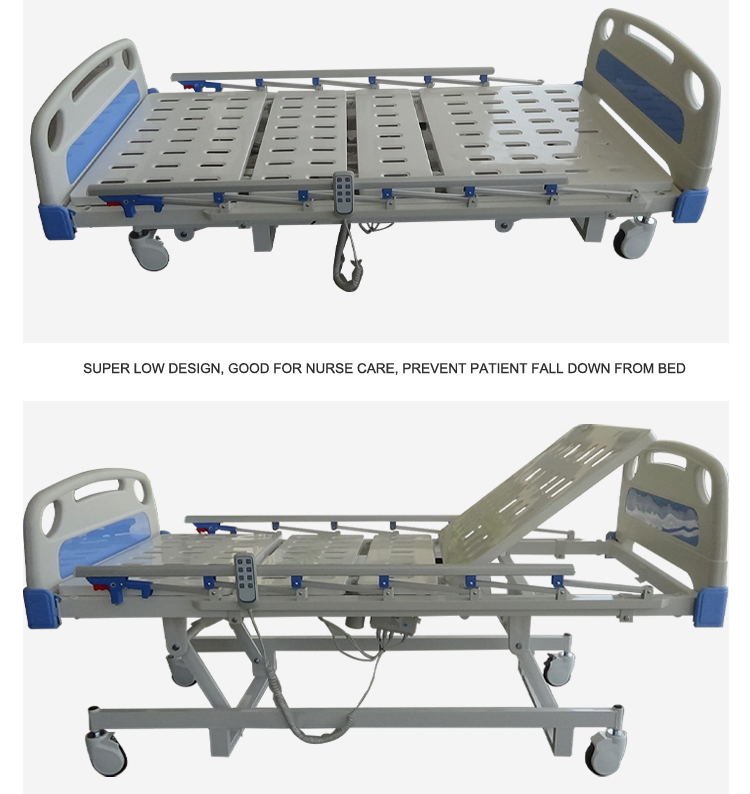
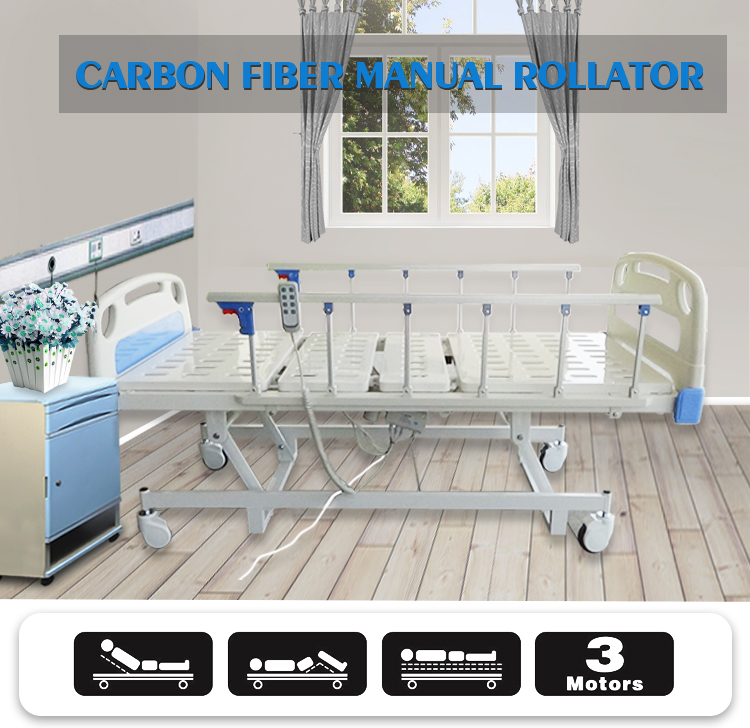
Controls bed elevation, backrest articulation, leg elevation, lateral tilting, and other movements to accommodate various patient positioning needs.
2. Intelligent Control Panel
Enables medical staff to precisely adjust the patient's position; select models feature a one-touch CPR (emergency reset) function.
3. High-Safety Design
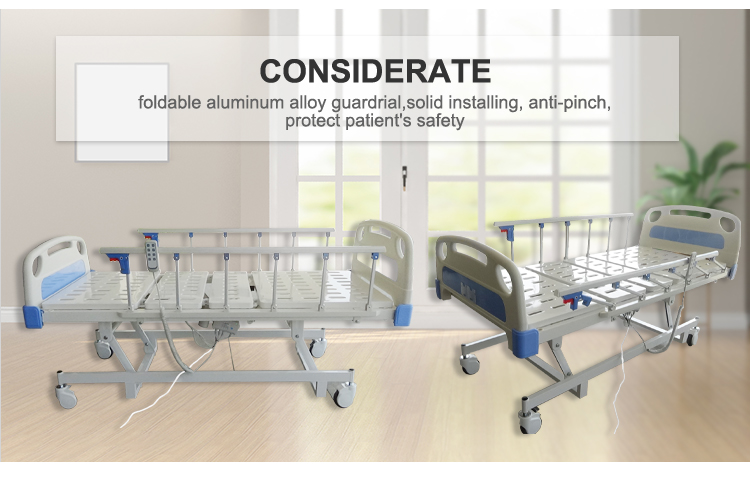
Incorporates anti-pinch mechanisms, power-failure protection, emergency stop devices, and a comprehensive full-perimeter siderail system.
4. Compatibility with Various Monitoring Devices
Supports the simultaneous use of medical equipment such as ventilators, patient monitors, IV stands, and suction units.
5. Easy-to-Clean and Antimicrobial Materials
Ensures hygienic safety and infection control during prolonged use.
It is precisely because of these specialized features that the electric ICU hospital bed has become an indispensable component of the intensive care unit's core infrastructure.
Why Do Certain Patients Require an Electric ICU Bed?
The primary reasons for utilizing an electric ICU bed center on safety, continuous monitoring, and the facilitation of nursing care.
In the intensive care setting, patients often present with complex medical conditions, may be semi-conscious or unconscious, or have severely limited mobility, necessitating their reliance on medical equipment to sustain vital functions. The necessity of electric ICU hospital beds is primarily reflected in the following aspects:
1. Maintaining Stable Vital Signs
Through positional adjustments, they help improve respiration, circulation, and venous return.
2. Reducing Nursing Risks
The electric system enables smooth movement, avoiding the risks of muscle strain or patient displacement often associated with manual handling.
3. Enhancing Resuscitation Efficiency
A one-touch emergency reset function allows the bed to be quickly returned to a flat, horizontal position during CPR or other critical incidents.
4. Improving Patient Comfort
Adjustable angles reduce the risk of pressure ulcers and promote blood circulation.
5. Meeting Medical Monitoring Needs
Compatible with various vital sign monitoring devices, they allow medical staff to track the patient's condition in real-time.
Therefore, any patient requiring continuous life support, close monitoring, or bedridden care is a candidate for the use of an electric ICU bed.
Which patients are most in need of an electric ICU bed?
Patients who require the use of an electric ICU bed include:
1. Patients with severe respiratory impairment
2. Critically ill patients with cardiovascular diseases
3. Critically ill patients with neurological disorders
4. Post-operative patients requiring intensive care
5. Patients with Multiple Organ Dysfunction Syndrome (MODS)
6. Patients with severe trauma or orthopedic injuries
7. Chronically ill patients requiring long-term bed rest
1). Patients with Severe Respiratory Impairment
These patients are often admitted to the ICU due to respiratory failure, pulmonary infections, or ventilator dependence.
Electric ICU beds can facilitate good ventilation—and reduce sputum retention and respiratory distress—through back elevation and positional adjustments.
Furthermore, certain models of electric ICU hospital beds support the Trendelenburg position (head-down, feet-up), which aids in sputum drainage and respiratory improvement, making them a vital assistive device for patients with respiratory conditions.
2). Critically Ill Patients with Cardiovascular Diseases
For patients with heart disease, heart failure, or those recovering from cardiac surgery, positional adjustment directly impacts cardiac output and circulatory stability.
The "Cardiac Chair Position" feature on electric ICU hospital beds allows patients to maintain optimal respiration and a balanced cardiac load while in a seated position, thereby reducing the risk of post-operative complications. At the same time, the bed frame's stability and integrated electrical safety systems ensure the smooth execution of ECG monitoring and defibrillation procedures.
3). Critically Ill Patients with Neurological Conditions
Patients suffering from neurological disorders—such as cerebral hemorrhage, traumatic brain injury, or stroke—often require prolonged bed rest within the ICU.
The multi-positioning capabilities of electric ICU beds can be utilized to prevent elevated intracranial pressure, minimize the risk of pressure ulcers, and improve blood circulation.
Particularly when patients are comatose or have impaired consciousness, medical staff can safely adjust their positioning via electric controls, thereby avoiding complications that might arise from excessive manual handling.
4). Post-Operative Critical Care Patients
Following major surgical procedures, patients typically require observation in the ICU for periods ranging from several hours to several days.
During this critical period, electric ICU beds assist medical staff in adjusting patient positioning based on the specific type of surgery performed and the patient's recovery requirements—for instance:
• Elevating the lower extremities post-operatively to facilitate venous return;
• Elevating the backrest to alleviate respiratory strain;
• Adjusting the tilt angle to prevent fluid retention.
All such maneuvers rely heavily on the precise control capabilities inherent in electric ICU hospital beds.
5). Patients with Multiple Organ Dysfunction Syndrome (MODS)
Patients in this category exhibit extremely unstable vital signs and typically rely on a suite of life-support equipment, including ventilators, infusion pumps, and various monitoring systems.
The electric ICU bed provides a safe, stable, and adjustable support platform that ensures the seamless integration and coordinated operation of these various devices, while simultaneously facilitating emergency interventions and routine care procedures.
6). Patients with Trauma and Severe Orthopedic Injuries
Patients suffering from spinal injuries, multiple fractures, or extensive trauma are often unable to turn over independently, placing them at high risk for developing pressure ulcers or pulmonary infections.
Through segmented electric adjustments, the electric ICU bed enables "contact-free" turning and limb elevation, thereby mitigating nursing-related risks and enhancing recovery outcomes.
7). Critically Ill Patients Requiring Long-Term Bed Rest
Patients requiring prolonged bed rest—such as those in a persistent vegetative state, those with Amyotrophic Lateral Sclerosis (ALS), or those suffering from severe malnutrition—also benefit significantly from the use of electric ICU beds.
These beds help maintain appropriate sleeping postures, prevent muscle atrophy and circulatory disturbances, and safeguard the patient's basic quality of life.
How Do Electric ICU Beds Aid in Patient Rehabilitation?
Although an electric ICU hospital bed is not, strictly speaking, a "therapeutic device," it plays an absolutely critical role in the patient's rehabilitation process.
1. Prevention of Pressure Ulcers and Muscle Atrophy
Patients confined to bed for extended periods are prone to developing pressure ulcers due to prolonged pressure on the skin. Electric ICU beds allow for periodic angle adjustments, promoting blood circulation and relieving pressure on the skin.
2. Support for Respiratory and Circulatory Functions
Through precise control of bed positioning—such as back elevation and leg elevation—these beds improve pulmonary ventilation and venous return, thereby reducing respiratory complications.
3. Enhanced Comfort During Recovery
Electric adjustment eliminates the discomfort associated with manual patient turning, providing patients with a greater sense of comfort and security throughout their recovery process.
4. Facilitation of Rehabilitation Training
Certain electric ICU beds support adjustments to semi-sitting or standing positions, facilitating early rehabilitation exercises and the restoration of physical mobility.
What Does the Configuration of Electric ICU Beds Signify for a Hospital?
Each electric ICU bed is not merely a piece of medical equipment; it represents the hospital's clinical treatment capabilities and its standard of management.
1. Enhanced Treatment Efficiency
Medical staff can rapidly adjust a patient's position using electric controls, thereby saving critical time during emergency resuscitation procedures.
2. Ensured Nursing Safety
The need for manual patient handling is minimized, thereby enhancing overall nursing safety and reducing the risk of injury to both patients and staff.
3. Support for Multi-Device Integration
These beds provide a stable and secure platform for the integration of various medical devices, such as ventilators, infusion pumps, and patient monitors.
4. Optimized ICU Space Layout
The modular design of electric ICU beds facilitates standardized management and streamlined operational workflows within the unit.
5. Improved Patient Experience and Recovery Quality
A comfortable and secure environment contributes to a patient's psychological stability and fosters confidence in their recovery journey.
Under What Circumstances Are Electric ICU Beds Not Required?
While electric ICU hospital beds offer powerful functionality, they are not a mandatory requirement for every patient.
The following situations generally do not necessitate the use of an electric ICU bed:
• General inpatients whose condition is stable and who possess independent mobility;
• Cases requiring only short-term observation and not involving complex nursing care;
• Patients in the rehabilitation phase who are capable of independent movement.
For these patients, standard electric hospital beds or manual nursing beds are sufficient to meet their needs.