

As people age, muscle strength, coordination, and balance gradually decline. Many seniors experience difficulty walking, standing up, climbing stairs, or standing for extended periods, and may even feel unsteady. Choosing suitable assistive devices can help them regain mobility, improve their ability to live independently, and enhance their safety.
However, the market offers a wide variety of assistive devices, from canes and walking aids to wheelchairs, each with different support methods and target groups. So, which is best for seniors? How can they be chosen scientifically based on their physical condition? This article will provide a systematic analysis from a professional perspective.
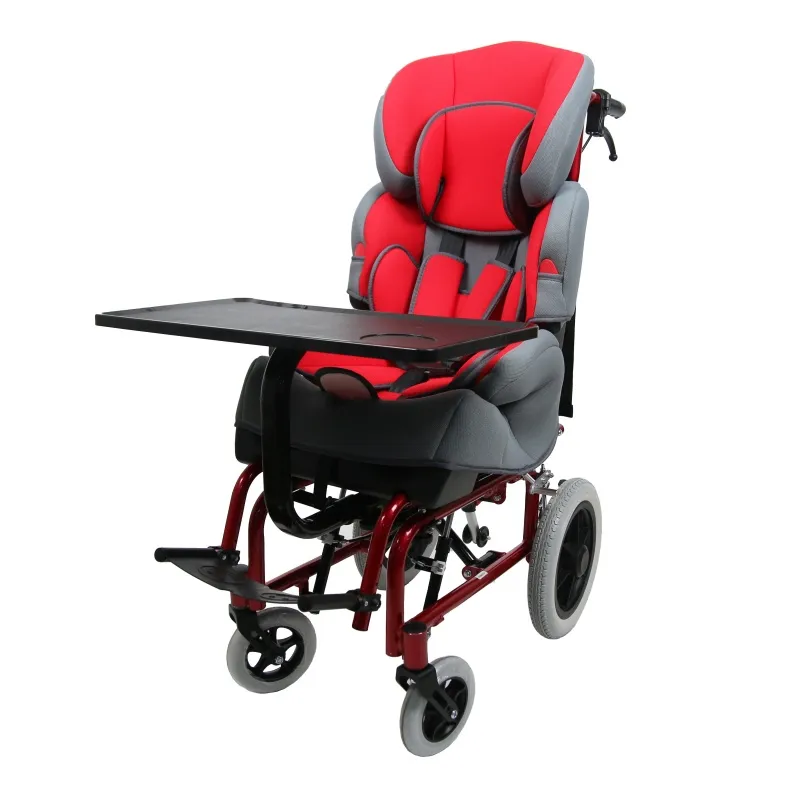
Why do seniors need assistive devices?
With muscle atrophy, osteoporosis, and loss of balance, seniors typically experience a decline in mobility. The main function of assistive devices is to provide additional support and balance stability.
Assistive devices can significantly improve several aspects:
• Enhance balance and reduce the risk of falls – by increasing the contact area with the ground through multiple points of contact;
• Reduce weight-bearing pressure on the lower limbs – by distributing the load across the legs and hip joints, preventing joint injuries;
• Increase confidence in mobility – older adults feel more secure after using assistive devices;
• Extend independent living time – enabling independent travel, toileting, or simple housework;
• Reduce the burden on family caregivers – reducing the need for assistance and improving care efficiency.
Therefore, whether experiencing mild mobility impairment or severe walking difficulties, older adults can improve their quality of life through appropriate assistive devices.
What are the three main categories of assistive devices commonly used by older adults?
Among numerous rehabilitation assistive devices, the three most common and basic include: canes, walking aids, and wheelchairs. They differ in their range of application and support strength, from light to heavy, suitable for different degrees of mobility impairment.
Assistive Devices | Main Functions | Target Audience | Stability Level
Cane | Single or multi-point support, assists balance | Mild instability | ★★☆☆☆
Walking Aid | Multi-point support, assists walking | Moderate mobility impairment | ★★★★☆
Wheelchair | Full weight-bearing support, replaces walking | Severe mobility limitation | ★★★★★
Below, we will introduce the structural characteristics, applicable scope, and selection suggestions for each type of device in detail.
Which elderly people are suitable for canes? How to use them correctly?
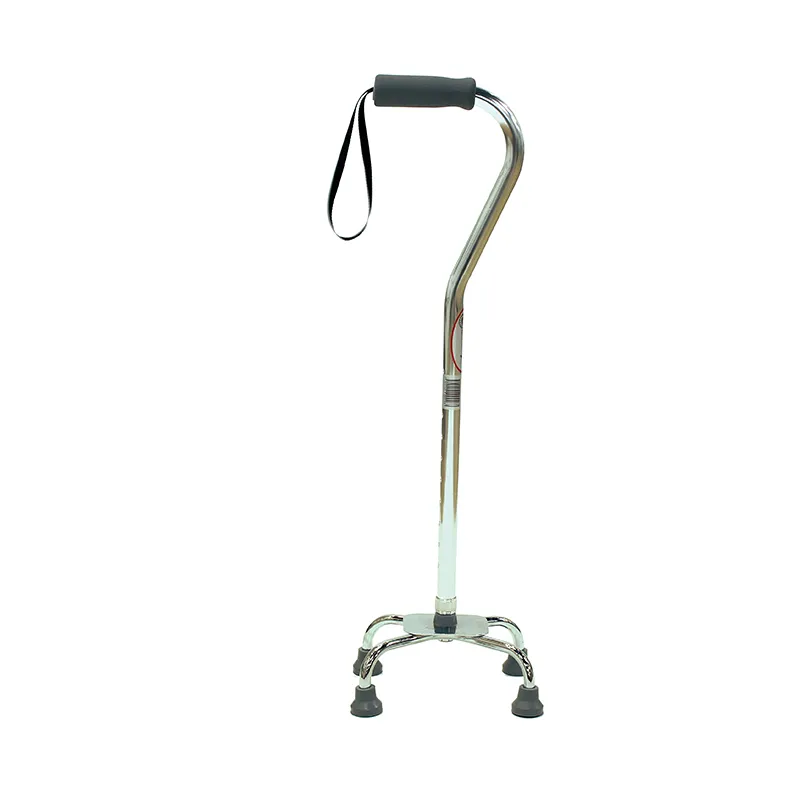
Canes are one of the most common and lightweight walking assistance tools for the elderly. They help maintain balance and reduce the burden on the legs by providing additional support points for the body.
1. Main Types of Canes
Canes can be categorized by the number of support points as follows:
• Single-leg cane: The most common type, suitable for elderly people with only mild balance instability;
• Triple-leg cane: Provides three points of support at the bottom, offering greater stability, suitable for those with weakened leg muscles;
• Quadruple-leg cane: Offers the largest support area, allowing for stable standing, suitable for the elderly or those with poor center of gravity control;
• Height-adjustable cane: Can be finely adjusted according to height, conforming to ergonomics.
2. Key Points for Using Canes
• When using canes, move them in the same direction as the weaker leg;
• Keep your elbow slightly bent at about 15 degrees when holding the cane, maintaining a natural posture;
• Choose a model with non-slip pads to prevent falls on wet surfaces;
• Do not use canes to get up or support your entire body weight.
3. Advantages and Limitations of Canes
• Advantages: Lightweight, easy to carry, inexpensive, suitable for initial use.
• Limitations: Limited support area; not effective for those with severe balance disorders or lower limb weakness.
• Conclusion: Canes are suitable for elderly people who can walk but are unsteady, and are the first choice for mild assistive support.
What kind of elderly people are suitable for walking aids?
When canes cannot provide sufficient support, walking aids become a more stable option.
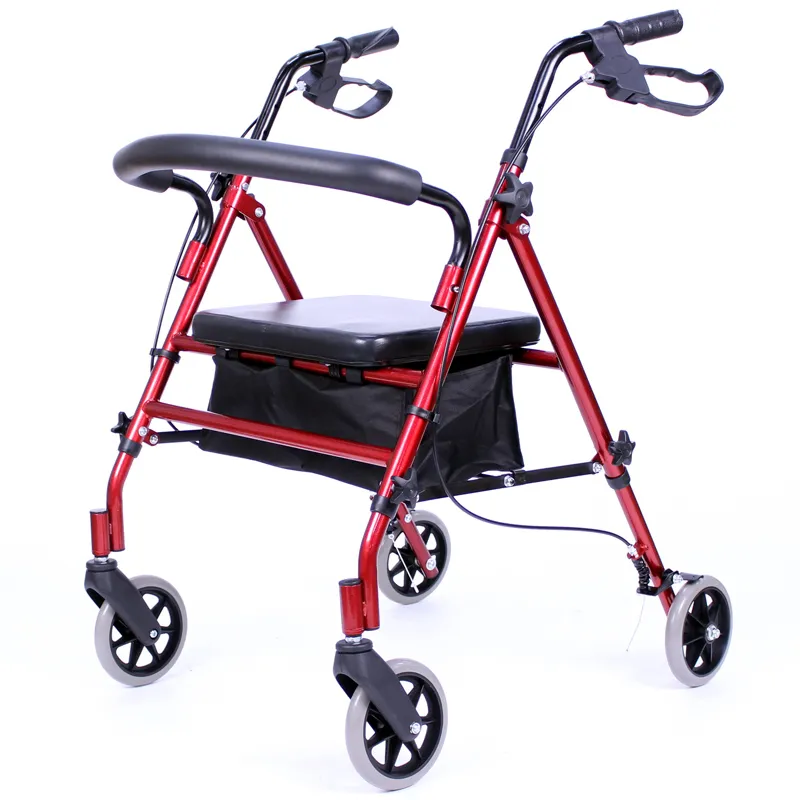
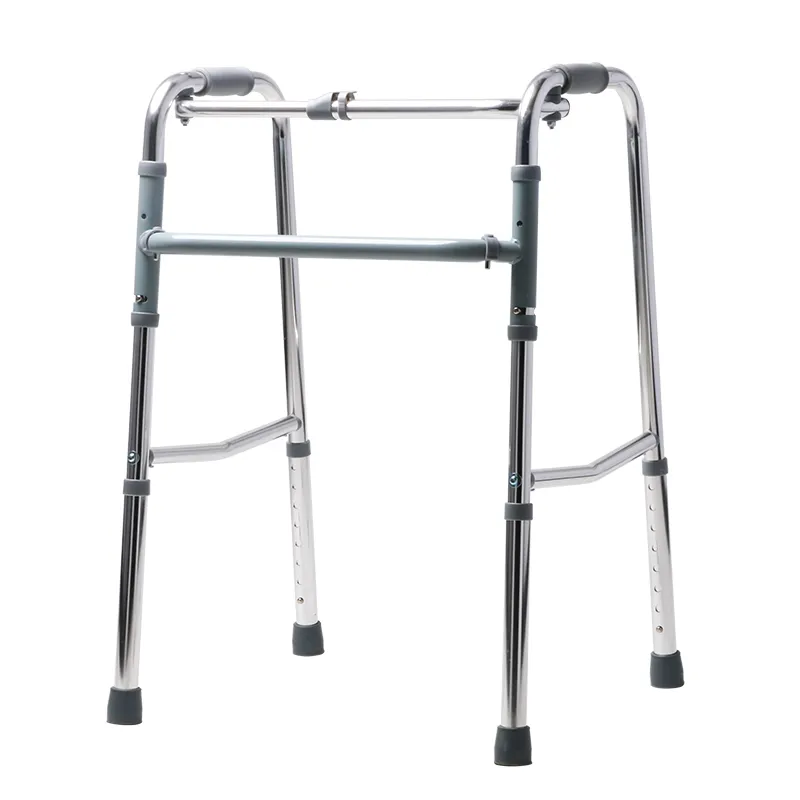
They are constructed of a metal frame and provide comprehensive support with four points of contact with the ground, greatly improving stability while walking.
1. Classification of Walking Aids
• Wheelless Walking Aids: All four feet have non-slip pads; the user needs to lift them to move them.
• Wheeled Walking Aids: The front two feet have wheels, and the rear feet have non-slip pads, allowing for smoother gliding.
• Four-Wheeled Walking Aids (Rollator): Equipped with a handbrake and seat, allowing for walking or short periods of rest.
2. Suitable Users of Walking Aids
Walking aids are particularly suitable for the following types of elderly people:
• Those with weak lower limbs but still able to support part of their weight;
• Those with significantly reduced balance but still able to walk independently;
• Those requiring assistance and stability during rehabilitation training;
• Users primarily engaged in indoor activities who require significant support.
3. Advantages of Walking Aids
• Wide support surface and strong stability;
• Able to support a relatively large weight;
• Helps with correct gait and prevents falls;
• Provides a strong sense of psychological security, suitable for elderly people living independently.
4. Precautions for Using Walking Aids
• Adjust the height before use, ensuring your arms are slightly bent;
• Push the walking aid first, then move your feet;
• Do not sit on the walking aid and have someone push you (especially with a four-wheeled walking aid);
• Walk slowly on uneven ground to prevent tilting and loss of balance.
Conclusion: Walking aids are ideal assistive devices designed for elderly people with moderate mobility limitations. They provide support far exceeding that of canes and are a key tool for maintaining independence in daily walking.
Which elderly people with mobility impairments are suitable for wheelchairs?
When elderly people find it difficult to walk independently or stand for extended periods, wheelchairs become essential mobility aids. They provide complete sitting support, allowing users to move freely indoors and outdoors.
1. Main Types of Wheelchairs
• Manual Wheelchairs: Propelled by arms pushing the wheels, lightweight construction;
• Electric Wheelchairs: Controlled by a motor and joysticks, effortless and convenient;
• Foldable Wheelchairs: Easy to store and carry, suitable for home use;
• Nursing Wheelchairs: Equipped with footrests, headrests, and adjustable backrests, suitable for long-term users.
2. Suitable Users of Wheelchairs
• Individuals with severely impaired balance who cannot walk independently;
• Patients with significantly weakened leg muscles or paralysis;
• Elderly people undergoing rehabilitation who require prolonged sitting support;
• Users who need to frequently go out or travel long distances.
3. Main Advantages of Wheelchairs
• Full weight-bearing support, replacing walking function;
• Can be equipped with height adjustment and tilting functions to improve comfort;
• Equipped with brakes and seat belts to ensure safe use;
• Increases range of motion and extends social life.
4. Precautions for Using Wheelchairs
• Maintain an upright posture while sitting to prevent concentrated pressure;
• Do not sit in a wheelchair all day; get up and move around periodically;
• Check the battery level and brake function of electric wheelchairs;
• Avoid pushing wheelchairs up and down steep slopes or on slippery surfaces.
Conclusion: Wheelchairs are highly stable devices designed for people with severe mobility impairments. They provide the most comprehensive support and freedom of movement, and are an important tool for older adults to maintain social participation and mobility.
How Should Older Adults Choose the Right Assistive Device?
Many people are confused when faced with canes, walking aids, and wheelchairs: Which one should they choose?
In fact, by analyzing the following four dimensions, the most suitable choice can be scientifically determined.
1. Choose based on mobility level
• Mobility Level | Recommended Equipment
• Can walk but with an unsteady gait | Cane
• Difficult to walk, prone to loss of balance | Walking aid
• Difficult to stand, unable to walk independently | Wheelchair
2. Choose based on usage environment
• Confined indoor spaces → Walking aids offer greater flexibility;
• Outdoor travel → Wheelchairs or four-wheeled walking aids offer greater comfort;
• Short daily activities → Canes are sufficient.
3. Choose based on physical strength and grip strength
• Those with strong grip strength can use manual devices;
• Those with weak grip strength and limited physical strength should choose electric devices or devices with auxiliary brakes.
4. Choose based on safety assessment
• Those with severely impaired balance should not rely solely on canes and should choose a walking aid or wheelchair;
• For those needing to be outdoors for extended periods, devices with high stability and brakes are recommended.
What are the advantages and disadvantages of different assistive devices?
Assistive devices | Advantages | Disadvantages |
| Crutches | Lightweight, portable, and inexpensive | Limited support, unsuitable for those with severe imbalances |
| Walking aids | Stable, safe, and provides strong support | Slightly heavy, resulting in slightly lower mobility |
| Wheelchairs | Comprehensive support and effortless operation | High dependence on others, limiting movement |
The key to choosing assistive devices is to avoid over-reliance and underestimating support needs. The ideal choice should balance safety and self-care ability.
What safety precautions should seniors take when using assistive devices?
• Regularly check the device – check screws, brakes, and anti-slip mats;
• Avoid wet or uneven surfaces – especially when using walking aids and wheelchairs;
• Maintain correct posture – adjust canes and walking aids to the appropriate height;
• Lock brakes before use – always secure the device before sitting or standing;
• Gradual training – initially use with family or caregivers.
The Most Suitable Device Is the Safest Choice
For seniors, no single assistive device is a "one-size-fits-all" solution.
• If walking is only slightly unsteady, a cane is sufficient to provide support;
• If balance is impaired, a walking aid is a safe and reliable choice;
• If independent walking is no longer possible, a wheelchair is a key tool for maintaining independence.
The most suitable equipment should be determined based on a comprehensive assessment of the elderly person's physical function, usage scenario, and safety needs.
Correct assistive devices are not only aids in walking but also safeguards for the elderly to maintain dignity and independence.
What certifications ensure the quality of Dayang Medical products?
Dayang Medical maintains a strict quality control system and has obtained certifications including ISO13485, ISO9001, FDA registration, and TUV compliance. Additionally, its products meet CE certification requirements, ensuring suitability for global markets. As a professional supplier and manufacturer, the company applies its "100-1=0" quality principle to every stage of production, making it a reliable choice for purchasing high-quality medical equipment from China.