

As an important means of transportation for people with mobility difficulties, the type of tires on an electric wheelchair directly affects the user experience, safety, and applicable environments. Choosing the right tires can provide users with a more comfortable and stable travel experience in different settings. This article will provide a detailed introduction to the common types of electric wheelchair tires and their characteristics.
Currently, the electric wheelchair tires on the market are mainly divided into three categories: pneumatic tires and non-pneumatic tires, with non-pneumatic tires further divided into solid tires and semi-pneumatic tires. Each type has its own unique design philosophy and application scenarios.
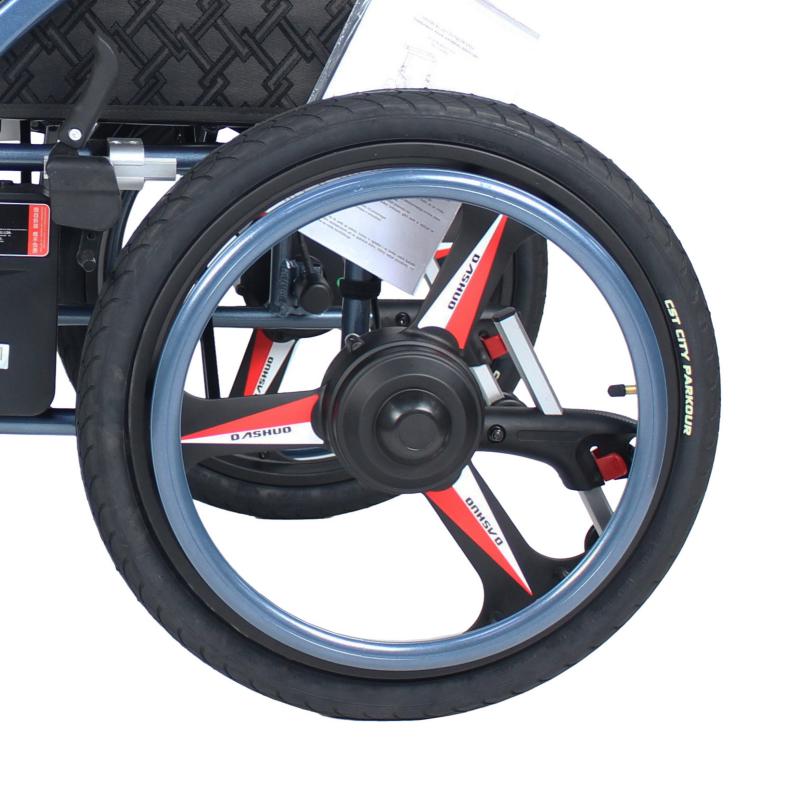
1. Pneumatic tires
Pneumatic wheelchair tires provide excellent cushioning through the air inside, making them a comfortable choice for electric wheelchairs on uneven outdoor surfaces.
Characteristic
Filled with air inside, usually equipped with an inner tube.
Provides excellent shock absorption and cushioning.
Applicable scene
Uneven outdoor surfaces (such as sidewalks or gravel roads).
Situations requiring long periods of sitting.
Users with higher comfort demands.
Advantages and disadvantages
Advantages: Good shock absorption, smooth ride, relatively low noise.
Disadvantages: Requires regular air pressure checks, risk of punctures, relatively inconvenient maintenance.
2. Solid tires
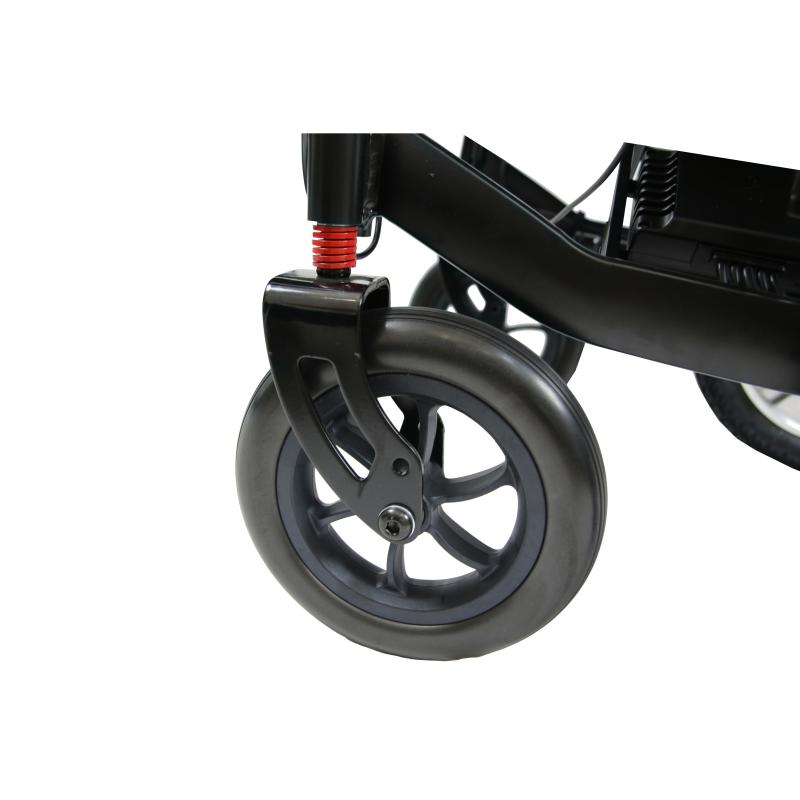
Solid wheelchair tires require no inflation and are maintenance-free, making them a reliable choice for indoor and smooth-surface electric wheelchairs.
Characteristic
Made of solid rubber or foam material.
Completely eliminates the problems of air leakage and tire blowouts.
Easy maintenance, no inflation required.
Applicable scene
Flat indoor surfaces.
Daily city road use.
Suitable for users who do not often drive on complex roads.
Advantages and disadvantages
Advantages: Maintenance-free, no risk of punctures, long service life.
Disadvantages: Poor shock absorption, usually heavy, noticeable bumps on uneven surfaces.
3. Semi-pneumatic tires
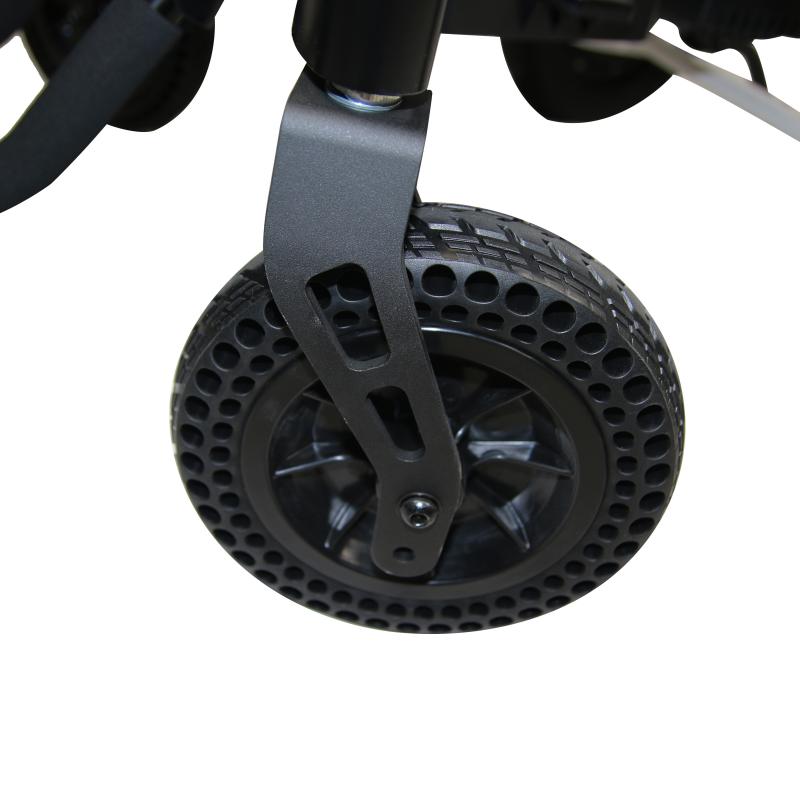
Semi-pneumatic tires combine the cushioning of inflatable tires with the durability of solid tires, making them a balanced solution for electric wheelchairs on various indoor and outdoor surfaces.
Characteristic
Between pneumatic tires and solid tires.
Internally filled with sponge-like material or designed with low air pressure.
Combines a certain level of cushioning with maintenance-free features.
Applicable scene
Suitable for both indoor and outdoor environments.
Users with dual needs for comfort and low maintenance.
Advantages and disadvantages
Advantages: Reduces the risk of tire blowouts, provides some cushioning, and is relatively easy to maintain.
Disadvantages: Cushioning is not as good as fully inflated tires, and weight and cost may be higher.
How to make an informed choice when facing different types of wheelchair tires?
Faced with the diverse range of electric wheelchair tires on the market, how do you choose the one that suits you best? You might consider the following four aspects:
1. Usage scenarios
If you mainly move around on flat indoor surfaces, maintenance-free solid tires are the most economical and practical.
If you frequently travel on complex outdoor terrain, pneumatic tires offer excellent shock absorption, providing an irreplaceable comfortable experience.
For users who use the wheelchair both indoors and outdoors, semi-pneumatic tires or high-performance solid tires can strike a good balance between comfort and durability.
2. User weight
Heavy users should pay special attention to the tire's load rating. When purchasing, ensure the tire's maximum load capacity exceeds the user's actual weight and allow for an appropriate safety margin.
3. Usage frequency
Frequent users: Should prioritize tires that are highly wear-resistant and easy to maintain to reduce long-term costs.
Infrequent users: Can focus purchase cost and the material’s anti-aging properties to ensure the tires remain in good condition during periods of inactivity.
4. Climatic conditions
Rainy and humid environments: Tires with deeper treads and good drainage should be chosen to improve grip on slippery roads.
Extreme temperature regions: The tire material must have appropriate adaptability, remaining flexible in low temperatures and resistant to softening in high temperatures.
By systematically evaluating the above four dimensions, you will be able to make more precise and safer tire choices, allowing your electric wheelchair to truly become a reliable travel companion.
When should electric wheelchair tires be replaced?
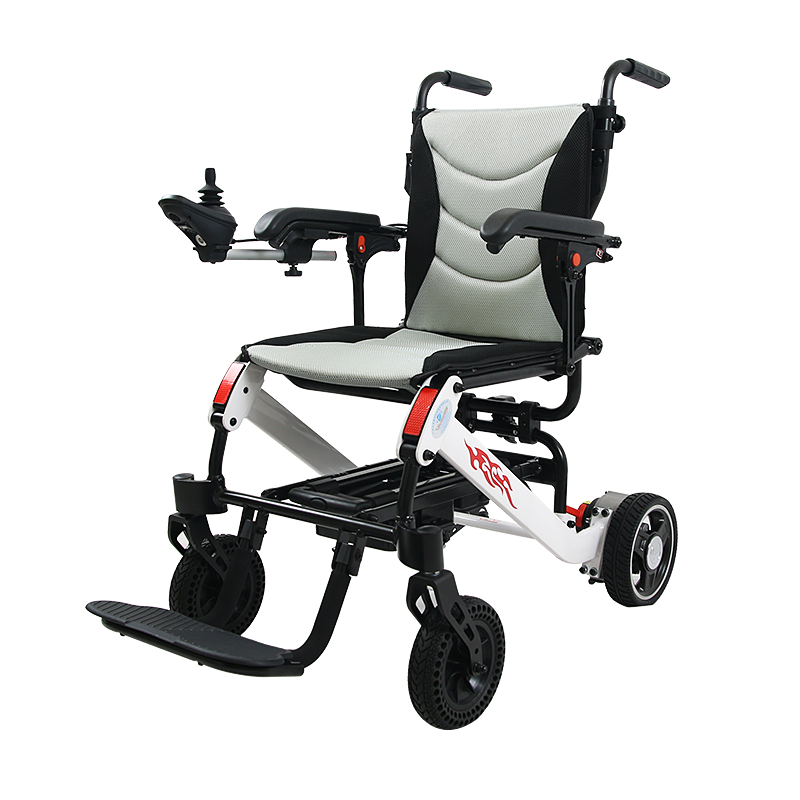
Tires are the core components ensuring the safety and stability of an electric wheelchair's operation. Their wear, aging, or damage can directly affect the user's experience and may even pose safety risks in complex road conditions. Therefore, regularly checking the condition of the tires and replacing them in a timely manner is essential maintenance knowledge for every wheelchair user.
Tire replacement cycles are not fixed and depend on various factors, which can be primarily assessed from the following aspects:
1. Based on usage frequency
If used frequently every day and often driven on uneven roads, tires wear out faster, so it is recommended to check them annually and replace them as needed.
lf used less frequently (e.g., a few times a week) and mainly on smooth surfaces, the tire lifespan can be extended to 2-3 years.
2. Based on usage environment
If mainly used indoors on smooth floors, tire wear is slower, and the replacement cycle can be appropriately extended to 2-3 years or longer.
lf often driven outdoors on gravel roads, potholes, or other complex conditions, tires are prone to damage and may need to be replaced every 1-2 years.
3. Based on tire material
Pneumatic tires: Under normal use, the lifespan is generally 1-3 years, and regular checks of air pressure and tread are necessary.
Solid tires: Under normal usage conditions, the solid tires of a high-quality electric wheelchair typically last more than 5 years.
Semi-pneumatic tires (such as honeycomb tires): Made with TPE highly elastic material and honeycomb shock-absorbing structure, it exhibits strong anti-aging performance under normal usage conditions, with a general service life of 2-5 years under normal use.
Situations That Require Immediate Replacement
No matter how long the tires have been used, they should be replaced promptly if any of the following situations occur:
The tread has worn down significantly;
The tire surface shows obvious cracks, bulges, or localized damage;
Inflatable tires cannot maintain normal air pressure and frequently leak;
The tire has been pierced or cut by sharp objects, and the damage affects its structural safety.
Regularly monitoring the condition of your tires and not delaying replacement is not only responsible for your travel safety but also ensures that your electric wheelchair maintains good performance, accompanying you safely on your journey.
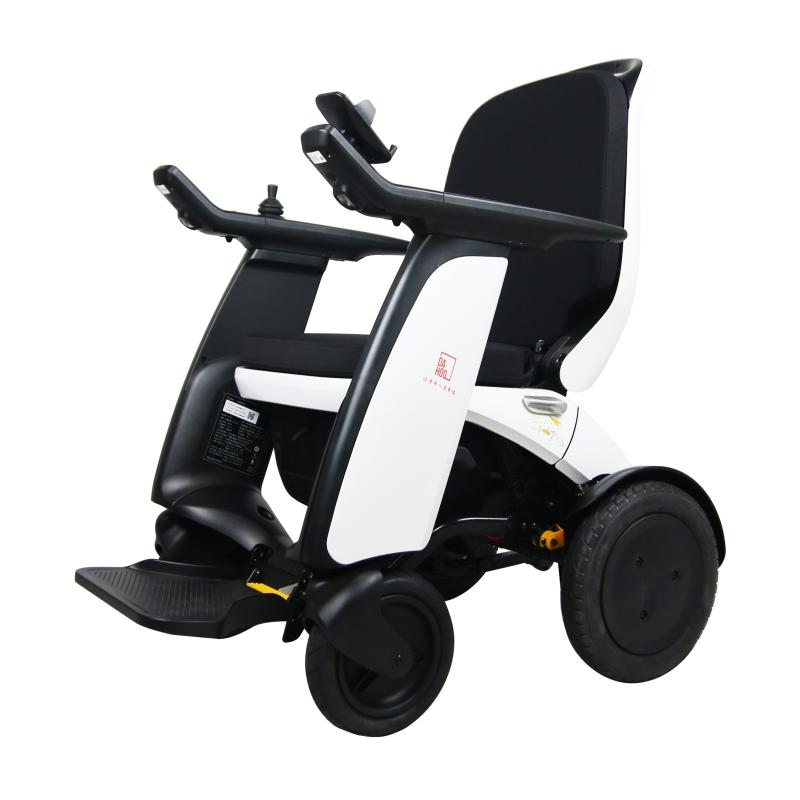
How to effectively extend the lifespan of electric wheelchair tires?
As a key component that connects an electric wheelchair to the ground, tires experience high usage and heavy loads, and their condition directly affects driving safety and riding experience. Therefore, understanding the key points of tire maintenance and mastering the methods to extend their lifespan is of vital importance to every user. It is recommended to start from the following aspects:
Regular inspections: It is recommended to conduct a comprehensive tire inspection every quarter or every six months, focusing on tread wear, surface cracks, sidewall damage, and checking whether the tire pressure is normal.
Maintain standard tire pressure: Inflate strictly according to the pressure value indicated in the manual to avoid excessively high or low tire pressure, as both conditions can accelerate tire wear and affect handling safety.
Pay attention to the usage environment: Avoid driving for long periods on gravel, potholes, high-temperature surfaces, or in extreme weather conditions to reduce abnormal tire wear and aging.
Proper Storage: When the wheelchair is not in use, it should be placed in a cool, dry place, avoiding prolonged exposure to sunlight or contact with corrosive substances to slow down rubber aging.
Through scientific maintenance and reasonable use, not only can the tire's lifespan be extended, but the electric wheelchair's stable and reliable performance can also be ensured, providing peace of mind for every trip.