

Electric wheelchairs are an extremely important type of modern rehabilitation aid, providing mobility for those with disabilities and enhancing their autonomy and comfort.
However, even the most advanced equipment cannot avoid various problems during long-term use. Many users neglect the importance of regular maintenance after purchasing an electric wheelchair, leading to performance degradation, shortened lifespan, and even safety hazards.
This article will systematically analyze common problems with electric wheelchairs, their causes, how to effectively prevent malfunctions through regular maintenance, and provide practical maintenance suggestions.
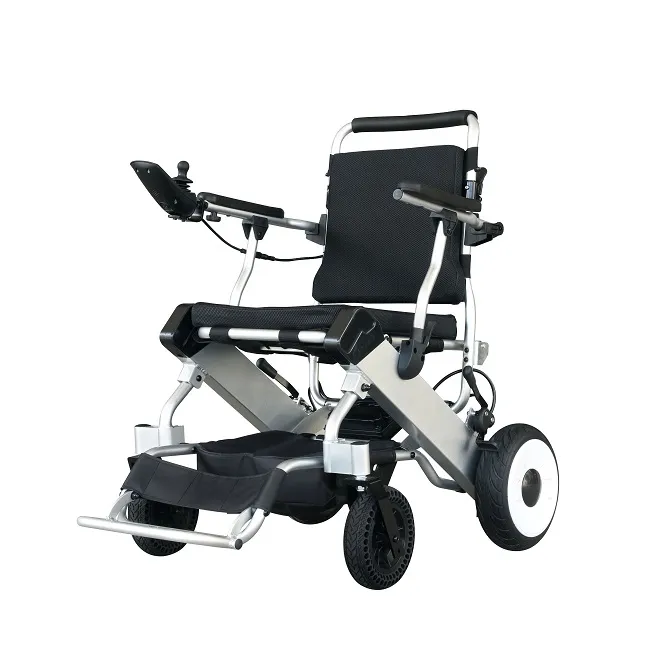
What are the most common problems with electric wheelchairs?
Even high-quality electric wheelchairs may experience varying degrees of functional problems after prolonged use. The following are some of the most common problems encountered during use:
1. Decreasing Battery Life
The battery is the core energy source for electric wheelchairs. As usage time increases, the battery's capacity gradually decreases.
• Typical symptoms: Increased charging frequency, significantly reduced driving distance, sudden power outages, etc.
• Main causes: Over-discharging, irregular charging, excessively high or low ambient temperatures, and prolonged use.
2. Motor Performance Degradation
The motor determines the driving force of the electric wheelchair.
Prolonged overload operation or lack of lubrication will cause wear and tear on the internal coils and bearings of the motor.
• Typical symptoms: Slower driving speed, sluggish start-up, and increased operating noise.
• Potential risk: If the motor temperature is too high or the speed is unstable, it may cause frequent triggering of the overcurrent protection of the control system.
3. Abnormal Control System Response
The control system is the brain of the electric wheelchair, responsible for coordinating movement, braking, and steering.
• Common problems: Button malfunction, steering deviation, acceleration delay.
• Common causes: Poor wiring contact, moisture damaging the circuitry, aging of the main control board.
An unstable control system response can seriously affect safety, especially on slopes or in congested environments.
4. Tire Wear and Steering Issues
Tires are consumable parts; prolonged use can lead to uneven wear, slippage, and tire blowouts.
• Typical symptoms: Shaking while driving, difficulty steering, or veering to one side.
• Causes: Insufficient tire pressure, uneven ground friction, loose or aging bearings.
5. Decreased Braking System Sensitivity
Electric wheelchairs often use electromagnetic braking systems, which may experience braking delays or failure after prolonged use.
• Common causes: Worn electromagnetic pads, aging braking circuits, dust or moisture corrosion.
• Safety hazards: Brake failure is one of the most dangerous problems with power wheelchairs, especially on slopes.
6. Loose or Deformed Frame Structure
Long-term weight-bearing and vibration can cause loose screws and fatigue at weld points in the wheelchair frame.
Ignoring inspection can lead to overall structural instability, and in severe cases, even a risk of tipping over.
7. Aging Seat Cushion and Backrest
The seat cushion is a crucial part directly affecting comfort. It is prone to sagging or deformation after prolonged use.
This not only affects posture but can also lead to back fatigue or pressure sores.
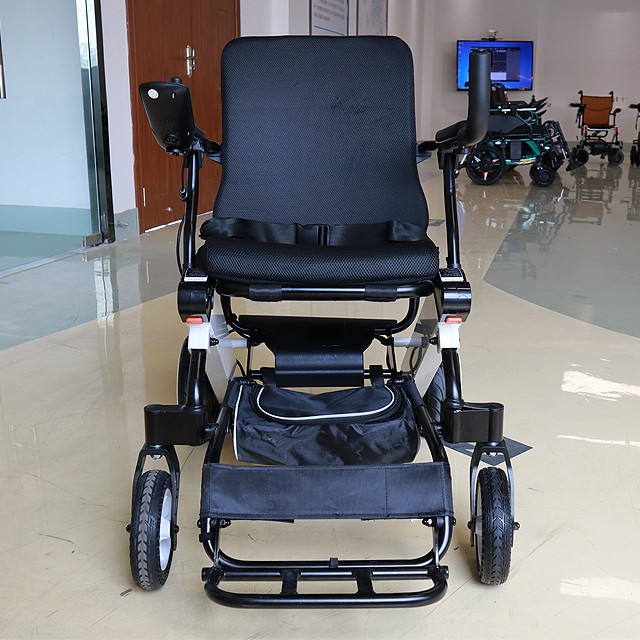
Why are these problems common in power wheelchairs?
Understanding the root causes of problems helps in taking targeted maintenance measures. Generally, common problems with power wheelchairs stem from the following main aspects:
1. Lack of Regular Maintenance
Many users treat power wheelchairs as "out-of-the-box devices," neglecting the importance of regular inspection and maintenance.
For example:
• Failure to clean dust leads to motor overheating;
• Failure to check tires causes uneven wear;
• Failure to maintain the battery leads to a sharp decrease in range.
2. Harsh Operating Environments
Frequent use in wet, dusty, or steep environments can damage both mechanical and electrical components.
Dampness corrodes wiring, and dust clogs motor vents, accelerating component aging.
3. Overloading
Prolonged overloading, steep inclines, or continuous operation puts the motor and control system under excessive strain.
Over time, this shortens motor life and causes electrical system aging.
4. Incorrect Charging Methods
Frequent over-discharging, prolonged periods without charging, or charging in extreme temperatures accelerates the aging of electric wheelchair batteries.
Lead-acid batteries, in particular, are highly dependent on charging schedules.
5. Lack of Professional Inspection
Some users fail to address minor malfunctions promptly, allowing small problems to accumulate into major malfunctions.
Professional inspection can identify potential issues early, reducing the likelihood of significant damage.
Why is regular maintenance of power wheelchairs so important?
Regular maintenance is not merely a formality, but a necessary measure to ensure the performance and safety of power wheelchairs. Its importance is analyzed in detail below:
1. Extended Lifespan
Regularly changing lubricating oil, inspecting wiring, and cleaning components can slow down the aging process.
A regularly maintained power wheelchair can typically last 2-3 years longer than one that is not maintained.
2. Improved Travel Safety
Regularly inspecting the braking system, control system, and tires can prevent unexpected loss of control or brake failure during driving.
3. Maintaining Optimal Performance
A well-maintained power wheelchair operates smoothly, responds responsively, and has a more stable range, significantly improving the user experience.
4. Reduce Maintenance Costs
Regular maintenance is a form of "preventative maintenance," allowing for early detection and resolution of problems, avoiding high repair costs due to major malfunctions.
5. Improve User Comfort
Maintaining the support of the seat cushion and backrest, checking the suspension system, and keeping the frame stable all contribute to greater comfort during long journeys.
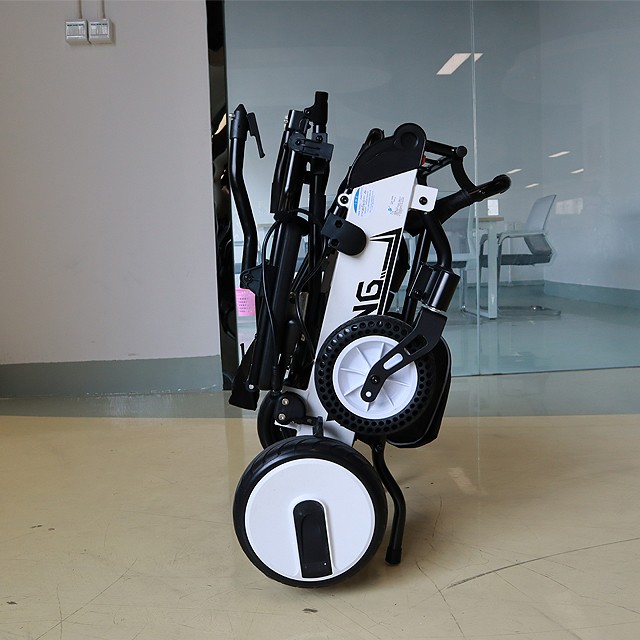
How should electric wheelchairs be maintained regularly?
To maintain them in good condition, it is recommended to establish a systematic electric wheelchair maintenance plan.
The following are detailed maintenance recommendations:
1. Battery Maintenance
• Maintain regular charging: Avoid fully discharging before recharging; maintaining a charge level between 30% and 80% is ideal.
• Regularly check wiring connections: Ensure there is no oxidation or loosening.
• When not in use for extended periods: Top up the battery monthly to prevent damage from depletion.
• Avoid extreme environments: Do not charge in high-temperature, humid, or direct sunlight environments.
2. Motor and Control System Maintenance
• Check the motor for abnormal noises, overheating, or vibration every 6 months;
• Keep the motor vents clean to prevent dust blockage;
• Regularly test the controller sensitivity and circuit stability;
• If slow speed response or delayed commands are detected, contact after-sales service immediately for inspection.
3. Tire and Brake System Maintenance
• Check tire pressure and wear monthly;
• Avoid driving on sharp or slippery surfaces;
• The brake system should be inspected by a professional every six months to ensure timely electromagnetic brake response;
• Keep wheel axles lubricated to prevent jamming.
4. Frame and Structural Component Inspection
• Check screws and connectors for looseness every 3 months;
• If cracks or bending appear in the frame, stop using it immediately;
• Clean the chassis and brackets regularly to prevent rust.
5. Seat Cushion and Backrest Maintenance
• Clean weekly and keep dry;
• Replace immediately if sagging or loss of support is observed;
• Using a breathable seat cushion reduces bacterial growth caused by sweat.
Common Misconceptions to Avoid in Electric Wheelchair Maintenance
Regular maintenance is important, but improper methods can cause damage. Here are some common mistakes to avoid:
• Disassembling electrical components yourself: Unauthorized disassembly by non-professionals may cause short circuits or void the warranty.
• Using an incompatible charger: Incorrect voltage or current can damage the battery.
• Frequent full discharge: Over-discharging accelerates battery degradation.
• Using strong cleaning agents: Corrosive liquids may damage the control panel or wiring.
• Ignoring minor abnormalities: Small problems such as noise, vibration, and unusual odors are often precursors to major malfunctions.
How to determine if a power wheelchair needs professional maintenance?
If any of the following occurs, contact after-sales service or a repair center immediately:
• Significantly insufficient battery life;
• Unresponsive or delayed control system;
• Burning smell or strong vibration during motor operation;
• Automatic power-off during operation;
• Incomplete braking.
These symptoms indicate a functional problem with the power wheelchair, and continued use may pose a safety risk.
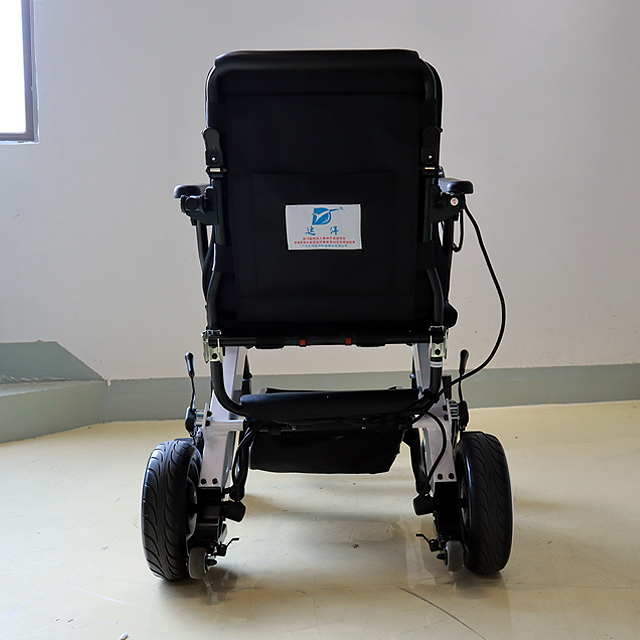
Maintenance Is Key To the Safety and Durability of an Electric Wheelchair
Electric wheelchairs are high-precision electric devices, and their performance stability and lifespan directly depend on the quality of maintenance.
Common problems such as battery aging, motor wear, controller malfunction, and tire wear can almost all be effectively prevented through regular inspection and maintenance.
Good maintenance habits not only extend the life of your power wheelchair but also ensure safety on every trip.
Remember: Regular maintenance is not an extra burden, but the best way to protect your investment in a power wheelchair.
How often should a power wheelchair be charged?
It is recommended to charge it once after each use. If not used for an extended period, recharge it every 15 days to avoid over-discharge of the battery.
Can a power wheelchair be used in the rain?
Not recommended. Rainwater can easily enter the controller and motor, causing short circuits or corrosion.
Can I use regular lubricating oil to maintain a power wheelchair?
Not recommended. Use a light mechanical lubricant to avoid corroding rubber and plastic parts.
What parts of a power wheelchair should be replaced after a few years of use?
Generally, the battery should be inspected and replaced every 3 years or so; tires, brakes, and control cables can be replaced depending on wear.
What Makes Dayang Medical Wheelchairs High Quality and Reliable?
Dayang Medical offers a wide range of electric and manual wheelchairs designed to meet international quality standards. Since 2009, the company has focused on innovation, research, and high-quality manufacturing, ensuring that every wheelchair meets ISO13485, ISO9001, FDA, and TUV standards, as well as CE certification. Buyers looking to purchase high-quality wheelchairs from a reliable supplier can benefit from Dayang Medical’s customized design options, competitive prices, and professional after-sales service.