

With the global aging of the population and the continued development of rehabilitation, elderly care, and assistive mobility industries, electric wheelchairs have become a vital means of transport for an increasing number of people with limited mobility. From home care to hospital rehabilitation, and from community outings to long-distance travel, electric wheelchairs are helping more people regain independent mobility and improve their quality of life. However, many consumers face a common question when purchasing one: "What is the difference between a standard electric wheelchair and a heavy-duty electric wheelchair?"
In terms of appearance, both standard and heavy-duty models are electrically driven and rely on motors to move forward, reverse, turn, and brake; consequently, consumers new to electric wheelchairs often assume the only difference is size. In reality, however, there are significant differences regarding frame structure, weight capacity, power systems, battery range, suitable environments, and target user groups. Each product type is designed to meet specific user needs, and selecting the right product for your situation is far more important than blindly prioritizing high-end specifications.
According to the World Health Organization (WHO), hundreds of millions of people worldwide require assistive devices, with wheelchairs being among the most important for mobility. Meanwhile, due to rising obesity rates, an increasing elderly population, and growing demand for long-term care, the market demand for heavy-duty power wheelchairs is rising year by year. Therefore, understanding the distinctions between standard and heavy-duty models provides valuable guidance for consumers making informed purchasing decisions.
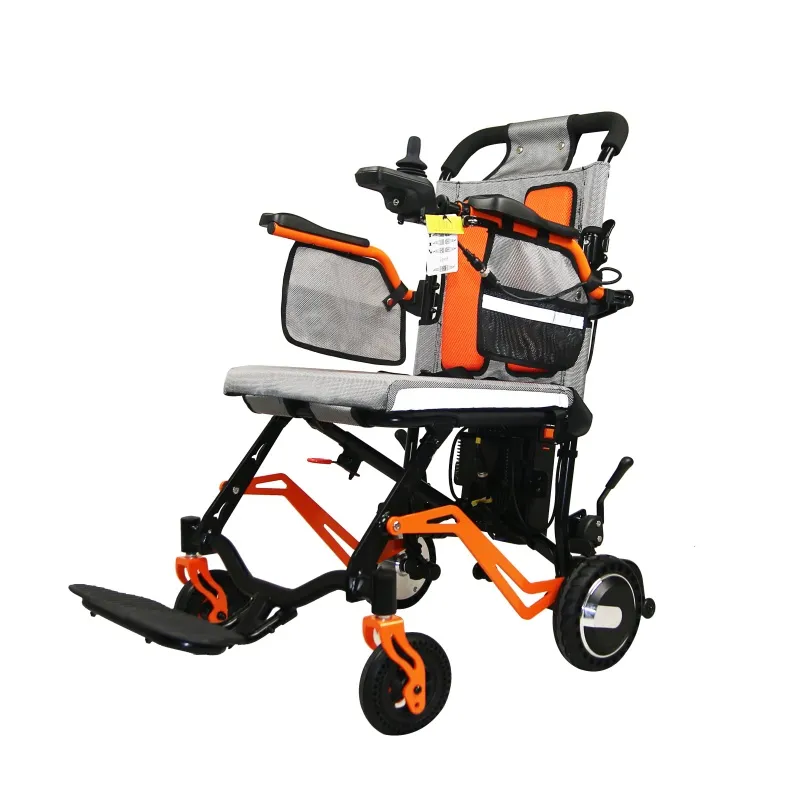
What is a standard electric wheelchair?
Standard electric wheelchairs currently hold the largest market share and are the most common choice for the vast majority of home users. Designed based on the body dimensions and daily usage needs of the average adult, these wheelchairs offer a balanced combination of weight capacity, overall dimensions, power systems, and battery range. They effectively meet daily mobility needs while offering a practical balance of portability and cost-effectiveness. Most standard power wheelchairs feature frames made of high-strength steel or aerospace-grade aluminum alloy. They typically weigh between 25 kg and 40 kg and have a maximum weight capacity of approximately 100 kg to 136 kg (roughly 220 to 300 lbs), meeting the needs of the vast majority of adult users. To enhance the user experience in a home setting, many standard models now feature a foldable design; this allows for quick storage in car trunks or home closets, offering great convenience for daily commutes and short trips.
Additionally, standard power wheelchairs usually employ a dual-motor drive system and come equipped with features such as electromagnetic brakes, omnidirectional front wheels, anti-tip wheels, and adjustable controllers. They offer excellent maneuverability in both indoor and outdoor environments, making them the most common type of power wheelchair used in hospitals, elderly care facilities, and home care settings.
What is a heavy-duty power wheelchair?
A heavy-duty power wheelchair is a high-performance model specifically designed for heavier users, individuals requiring long-term, intensive use, and those navigating complex terrain. Compared to standard models, heavy-duty power wheelchairs are characterized by higher weight capacities, more powerful drive systems, more robust frame structures, and larger overall dimensions.
To ensure stability under heavy, long-term loads, these wheelchairs typically utilize thickened steel frames or high-strength industrial-grade alloys, with reinforced welding to enhance overall structural rigidity. Their maximum weight capacity generally reaches 180 kg, 200 kg, or even more—with some professional-grade models exceeding 250 kg—thereby accommodating larger users and those with specialized care needs.
To handle the increased weight, heavy-duty power wheelchairs are usually equipped with more powerful drive motors, higher-capacity batteries, and larger tires, ensuring reliable climbing ability, stability, and driving range. These products are widely used in long-term care, daily mobility for heavier users, and navigation across challenging outdoor environments.
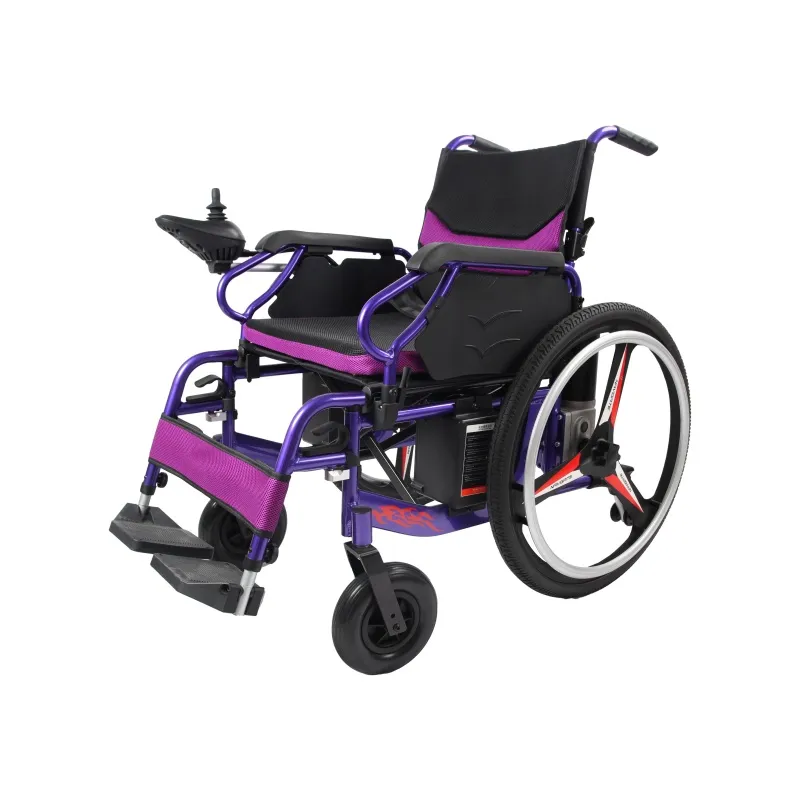
What are the main differences between standard and heavy-duty power wheelchairs?
Although both fall under the category of power wheelchairs, there are significant differences in their design philosophies and intended applications. First is weight capacity. Standard electric wheelchairs are designed primarily for the average adult and generally meet the daily needs of most household users. In contrast, heavy-duty electric wheelchairs prioritize high load-bearing capacity; they are engineered to stably support heavier users over the long term without frame deformation, thereby enhancing safety during extended use.
Second is the vehicle's dimensions. To provide more spacious seating, heavy-duty power wheelchairs typically feature wider seats, broader armrests, and a wider wheel track, resulting in an overall size that is significantly larger than that of standard models. While this enhances seating comfort, it also means reduced maneuverability in tight indoor spaces.
The power system is another key differentiator. Standard power wheelchairs usually employ a dual-motor setup (around 250W to 350W), sufficient for daily use in environments such as city streets, shopping malls, and residential communities. Heavy-duty models, however, require higher-power motors and high-torque reduction systems to propel the heavier vehicle and load; this ensures superior performance when climbing hills, overcoming obstacles, or navigating complex terrain.
Regarding range, heavy-duty electric wheelchairs are often equipped with higher-capacity batteries to meet increased energy demands, typically offering a range of 20 to 40 kilometers per charge. However, due to the vehicle's greater weight, the actual range remains subject to factors such as user weight, terrain, and driving style.
What are the advantages of standard electric wheelchairs?
The fact that standard electric wheelchairs dominate the market is largely due to their balanced overall performance. For the vast majority of household users, these wheelchairs offer an ideal combination of comfort, portability, affordability, and ease of operation.
Thanks to their lighter weight, standard electric wheelchairs are easier to transport and fold; many models fit quickly into the trunks of SUVs, MPVs, and even some sedans, making them highly suitable for daily family outings. Additionally, their compact turning radius allows for easy navigation through home corridors, elevators, shopping malls, and hospitals, enhancing flexibility in daily use.
Furthermore, standard electric wheelchairs are generally less expensive than heavy-duty models and entail lower maintenance costs, offering excellent value for budget-conscious consumers.
What are the advantages of heavy-duty power wheelchairs?
Compared to standard electric wheelchairs, heavy-duty electric wheelchairs place greater emphasis on durability, safety, and the ability to withstand long-term, high-load usage.
For heavier users, subjecting a standard electric wheelchair to prolonged overloading can lead to frame fatigue, motor overload, and reduced battery life; in contrast, heavy-duty models maintain stable operation over the long term, effectively extending the vehicle's overall lifespan.
Equipped with larger tires, higher-power motors, and reinforced suspension systems, heavy-duty electric wheelchairs offer superior stability when traversing grass, gravel, rural roads, and inclines, ensuring both ride comfort and enhanced driving safety. For users who rely on their wheelchairs for extended periods each day, heavy-duty models provide more reliable support.
Who is a good candidate for a standard power wheelchair?
Standard electric wheelchairs are primarily suited for users whose weight falls within the product's load capacity and who have limited mobility but relatively stable daily activity patterns. They are ideal for the elderly, post-operative patients, individuals with mild to moderate mobility impairments, and those receiving home care, effectively meeting needs such as daily shopping, community activities, hospital follow-ups, and family outings.
If a user frequently needs to transport the wheelchair in a car, use public transportation, or take short trips, a lightweight, foldable standard electric wheelchair is usually the more suitable choice.
Who is better suited for a heavy-duty electric wheelchair?
Heavy-duty electric wheelchairs are designed for individuals with higher body weight or larger body dimensions, as well as those requiring long-term, high-intensity use. Additionally, for users who frequently navigate inclines, outdoor paths, or complex terrain, the greater power reserves and superior stability of heavy-duty models offer a better driving experience.
Elderly care facilities, rehabilitation centers, and medical institutions often stock heavy-duty electric wheelchairs to accommodate patients of various body types and meet specific care requirements.
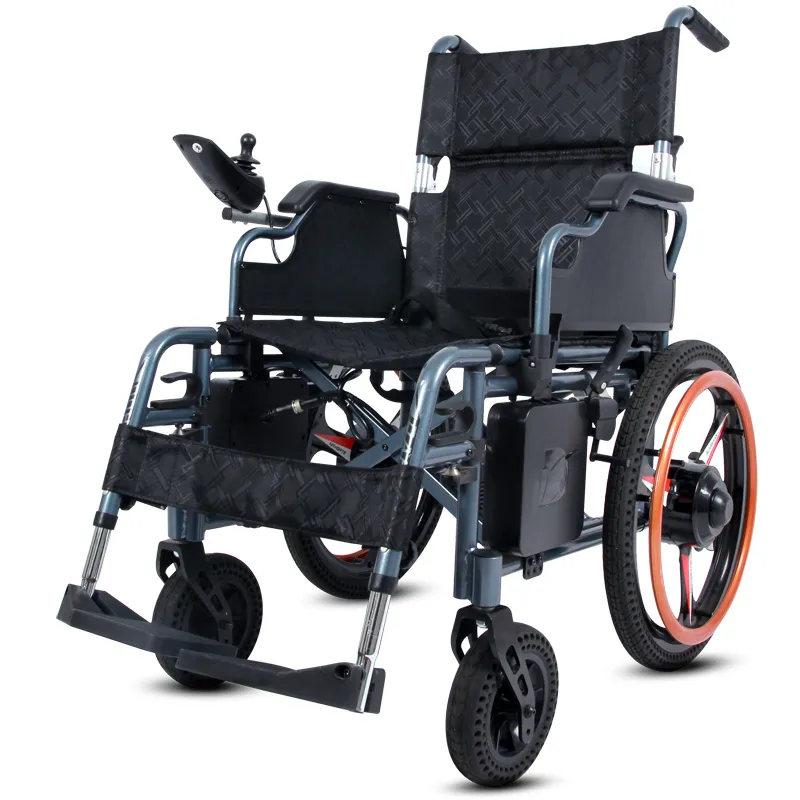
How do you choose the right power wheelchair for your needs?
When deciding between a standard and a heavy-duty power wheelchair, one should not simply compare prices or specifications; instead, it is important to consider physical condition, the usage environment, and future needs.
First, ensure the user's weight remains below the product's rated capacity, allowing for a safety margin; this not only guarantees driving safety but also helps extend the wheelchair's lifespan. Second, consider the typical daily usage scenarios. If the wheelchair is primarily used in flat environments such as homes, communities, hospitals, and shopping malls, a standard power wheelchair usually suffices; however, if the user frequently travels outdoors—visiting parks, rural roads, or areas with steep inclines—a heavy-duty power wheelchair may be more suitable.
Additionally, factors such as after-sales service, battery life, control systems, safety features, and ease of maintenance should be considered. For long-term users, a robust after-sales support system is often more valuable than simply a low price.
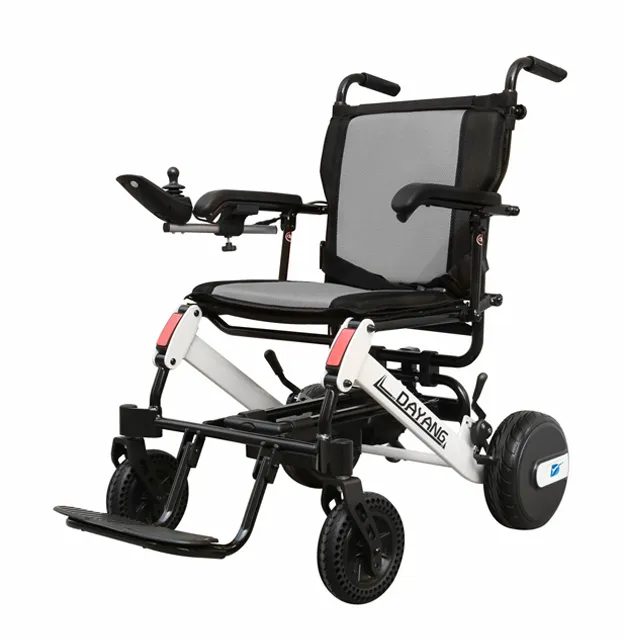
FAQ
What are the main differences between standard and heavy-duty electric wheelchairs?
The primary differences lie in weight capacity, frame structure, power systems, and target user groups. Standard electric wheelchairs are better suited for users of average build and daily use, whereas heavy-duty models feature reinforced designs tailored for heavier users and more demanding usage scenarios.
Are heavy-duty electric wheelchairs always better than standard ones?
Not necessarily. While heavy-duty models offer higher weight capacities and more power, they are heavier, wider, and generally more expensive. Unless the user has specific requirements, a standard electric wheelchair is usually sufficient for daily mobility needs.
Are standard power wheelchairs suitable for long-term use?
Provided the user's weight falls within the product's specified capacity and the chair is used primarily on flat surfaces or indoors, a standard power wheelchair is perfectly capable of meeting long-term daily needs. Choosing a model with an ergonomic design, a comfortable seat, and reliable after-sales support can further enhance the long-term user experience.
Can heavy-duty power wheelchairs be folded?
Some heavy-duty models are foldable; however, due to their reinforced frames, larger dimensions, and heavier weight, their folded size is typically significantly larger than that of standard models. Therefore, if frequent car transport or air travel is required, it is advisable to verify the folding mechanism and transport dimensions beforehand.
How do I decide whether to buy a standard or a heavy-duty power wheelchair?
It is recommended to consider the user's weight, body size, typical usage environment, frequency of travel, and future care needs. If the wheelchair will be used mainly in home and urban settings by a user of average weight, a standard model is usually the more economical and maneuverable choice. Conversely, if the user is heavier, requires the chair for prolonged, high-load use, or frequently navigates challenging terrain, a heavy-duty model offers superior safety, durability, and stability.