

Cerebral palsy (CP) is a permanent motor and postural disorder caused by damage to the brain. Children with CP may face varying degrees of difficulty in daily activities such as moving, sitting, toileting, and bathing.
To enable children to participate in daily activities safely and comfortably, various rehabilitation assistive devices specifically designed for children with CP are particularly important.
These devices not only help children complete basic daily activities but also promote postural control, reduce physical burden, and decrease the workload of caregivers with long-term use.
This article will systematically answer: What equipment do children with CP need? What is the function of each device? How should they be scientifically selected and used?
Why do children with cerebral palsy need assistive devices?
The motor impairments in children with CP are diverse. Some children have high muscle tone and stiff limbs, while others have poor coordination and balance. Most children cannot independently perform standing, walking, sitting, or transferring movements.
In this situation, the role of assistive devices is not only "replacement" but also "support."
External assistive devices provide stability and guidance, helping children establish correct postural patterns, promote muscle balance, and prevent deformities.
The main benefits of assistive devices include:
• Enhanced postural stability – keeping the trunk and limbs in a safe position.
• Promoted functional independence – improving independent walking, toileting, and feeding abilities.
• Improved quality of life – allowing children to participate in daily activities more comfortably and confidently.
• Reduced risk of secondary deformities – preventing scoliosis, hip dislocation, or foot and ankle deformities.
• Reduced caregiving burden – facilitating safe care for parents and caregivers.
What are the most common assistive devices for children with cerebral palsy?
Assistive devices for children with cerebral palsy generally fall into the following categories to meet their diverse functional needs:
• Cerebral palsy wheelchairs – provide stable sitting posture and mobility support;
• Walking aids (or baby walkers) – used for training and assisting walking;
• Toilet chairs – solve toileting problems, ensuring hygiene and safety;
• Shower chairs – provide body support and anti-slip protection during bathing;
• Orthotics – used to support joints, correct posture, and prevent deformities.
Next, we will introduce the functions, design points, and usage precautions of these devices in detail.
Why do children with cerebral palsy need specialized wheelchairs?
1. What is a cerebral palsy wheelchair?
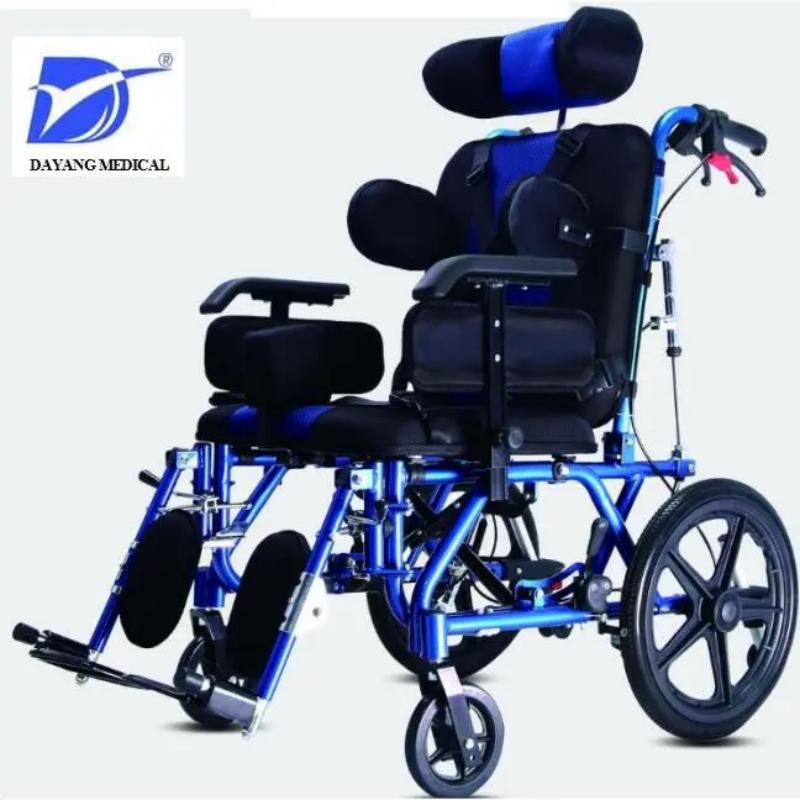
A cerebral palsy wheelchair is a special wheelchair designed specifically for children with cerebral palsy. Unlike ordinary wheelchairs, it places greater emphasis on posture control, support, and safety restraint.
For children with cerebral palsy who have unstable muscle tone and poor posture control, a cerebral palsy wheelchair is not just a means of transportation, but also a safe and comfortable "postural support system."
2. Main Functions of Wheelchairs for Cerebral Palsy
• Provides multi-point support for the head, trunk, and pelvis;
• Prevents scoliosis and pelvic tilt;
• Maintains the body's midline and reduces abnormal reflexes;
• Improves breathing and digestion by adjusting posture through tilting and backrest functions;
• Reduces the burden on caregivers when lifting or carrying the child.
3. Key Considerations When Choosing a Wheelchair for Cerebral Palsy
• Size Matching: Seat width and depth should match the child's body size;
• Support Structure: Must have an adjustable headrest, side wings, and pelvic support belt;
• Safety Devices: Multi-point safety belts prevent slippage;
• Comfortable Seat Cushion: Uses breathable memory foam material to prevent pressure sores;
• Adjustable Angle Design: Adjustable backrest tilt and footrest height.
A suitable wheelchair for cerebral palsy allows children to participate in games, learning, and social activities in a stable and comfortable posture, thereby improving their quality of life.
How do walking aids help children with cerebral palsy?
1. Definition and Function of Walking Aids
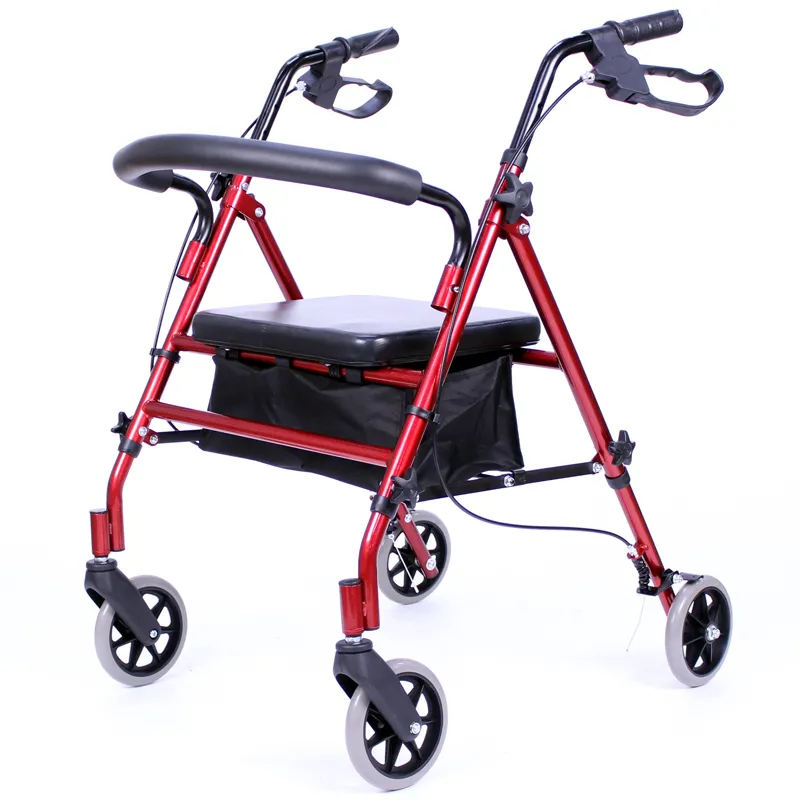
Walking aids (also known as cerebral palsy walkers) are one of the commonly used mobility training devices for children with cerebral palsy.
They provide an adjustable support frame and a safe enclosure to help children practice walking while maintaining balance, promoting lower limb muscle coordination and gait control.
2. Main Types of Walking Aids
• Wheelless walking aids: The most stable, suitable for children just starting training;
• Two-wheeled walking aids: Provide moderate balance support, suitable for those who already have some walking ability;
• Four-wheeled walking aids: Used during rehabilitation or for movement on flat ground, suitable for children with good balance.
3. Functional Advantages of Walking Aids
• Provides trunk and pelvic support, preventing forward tilting;
• Improves walking symmetry and promotes the formation of correct gait;
• Trains lower limb strength and coordination;
• Enhances children's confidence in walking independently.
4. Precautions for using a walking aid
• Use on a flat, unobstructed surface;
• Adjust the height according to the child's elbow position;
• Ensure the brakes and anti-slip footpads are secure before use;
• Initially, use under the guidance of a rehabilitation therapist.
A walking aid is not only a physical support tool but also an important partner in training the walking function of children with cerebral palsy.
What role does a toilet chair play in the care of children with cerebral palsy?
1. Why do children with cerebral palsy need a toilet chair?
Children with cerebral palsy often have problems such as unstable sitting posture and abnormal muscle tone. Using a regular toilet can easily lead to slipping or poor posture.
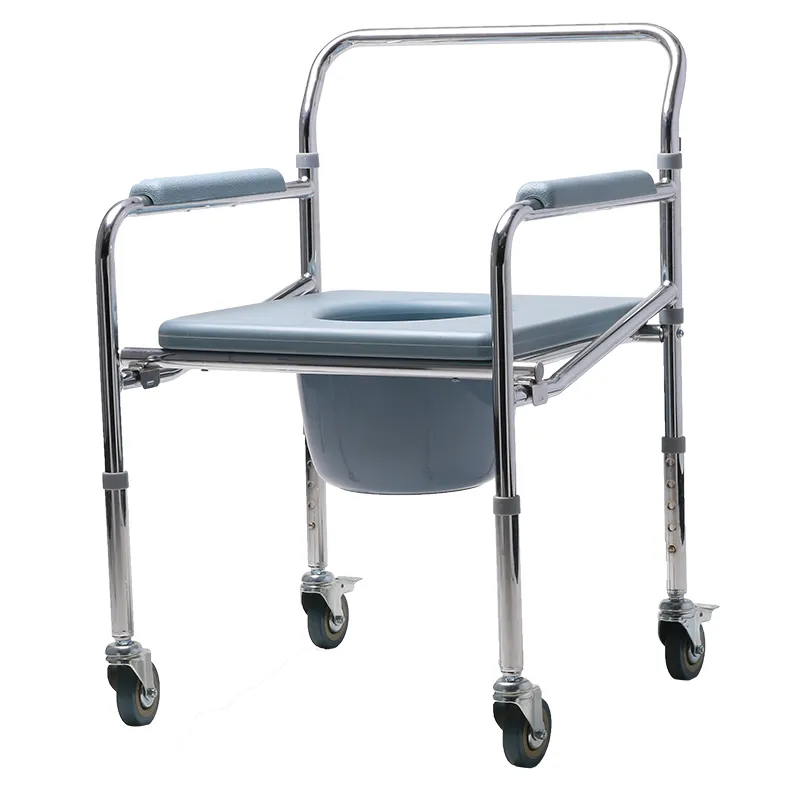
A toilet chair provides safe support and a stable posture during toileting, making the cleaning process easier for both the child and caregiver.
2. Structure and Function of a Toilet Chair
• Sturdy support frame: Ensures a safe sitting posture and prevents tipping over;
• Adjustable backrest and armrests: Facilitates getting on and off the chair;
• Includes a potty: Can be used indoors without needing to move it to the bathroom;
• Non-slip footpads and footrests: Improve stability and safety;
• Easy-to-clean materials: Ensure hygiene and durability.
3. Key Considerations for Choosing a Toilet Chair for Children with Cerebral Palsy
• Seat height matches body size;
• Includes non-slip armrests and a safety belt;
• Adjustable backrest angle;
• Removable potty design for easy care.
Using a suitable toilet chair not only improves a child's toilet independence but also cultivates good living habits.
Why do children with cerebral palsy need a bath chair?
1. The Role of a Bath Chair
During bathing, children with cerebral palsy are prone to slipping and falling due to their weak balance.
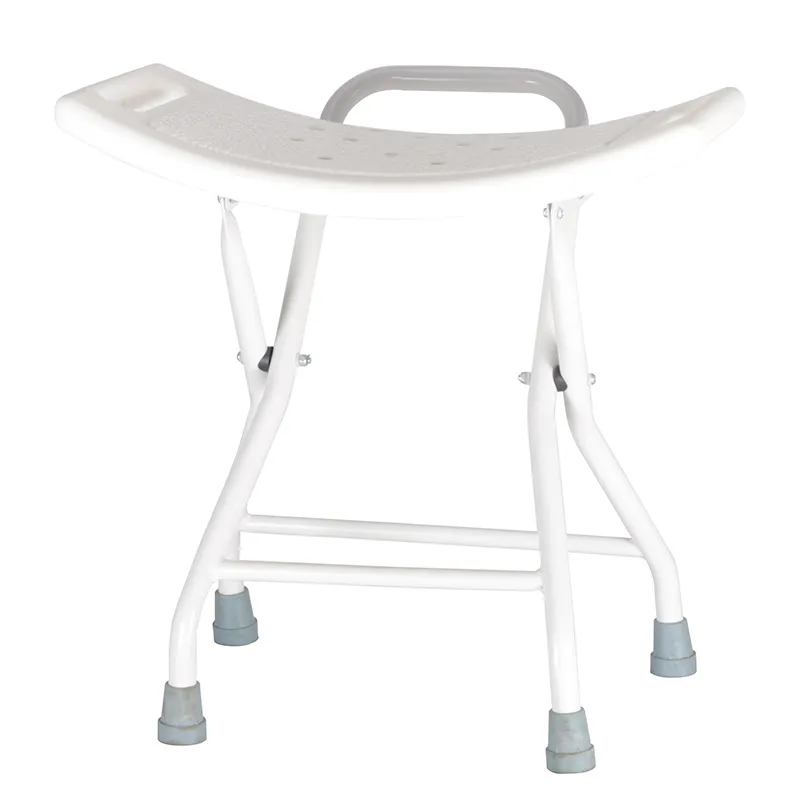
A bath chair provides a stable support platform for the child, helping them complete the washing process safely and comfortably.
2. Key Features of a Bath Chair
• Waterproof Material Construction: Typically uses rust-resistant aluminum alloy and non-slip padding;
• Adjustable Backrest: Allows children to relax in different positions;
• Safety Restraint System: Prevents the body from slipping during bathing;
• Foldable Design: Easy to store and carry;
• Convenient Drainage: Some models have drainage holes or water collection tanks.
3. Safety Recommendations for Using a Bath Chair
• Secure the chair legs and check the non-slip pads before bathing;
• Lock the wheels or base before adjusting the angle;
• Thoroughly wash and dry after use.
A suitable bath chair allows children to stay relaxed and safe during bathing, and also makes the care process easier for parents.
What is the Role of Orthoses in the Rehabilitation of Children with Cerebral Palsy?
1. Definition of Orthoses
An orthosis is a device worn externally to support, correct, or control body structures.
Commonly used orthoses for children with cerebral palsy include ankle-foot orthoses (AFO) and knee-ankle-foot orthoses (KAFO).
2. Main Functions of Orthoses
• Prevent or correct ankle deformities;
• Improve walking stability;
• Control abnormal muscle tone;
• Reduce local pain and fatigue;
• Assist gait training.
3. Precautions for Use and Maintenance
• Must be custom-made by a rehabilitation physician or orthotist;
• Check for skin indentations or redness daily;
• Do not wear too tightly to avoid restricting blood circulation;
• Adjust the tightness and angle regularly.
Orthoses are not isolated devices; they are usually used in conjunction with walkers and wheelchairs for cerebral palsy to achieve comprehensive rehabilitation effects.
What should parents pay attention to when their child with cerebral palsy uses assistive devices?
Follow the guidance of rehabilitation experts: Each child's muscle tone, joint flexibility, and postural control ability are different, and devices should be selected individually.
• Regularly check the condition of the device: Wheels, screws, seat cushion, and safety belt should be kept in good condition.
• Keep skin monitored: Prevent local pressure, redness, swelling, or abrasions.
• Use gradually: Initial use should not be too long; allow the child to gradually adapt.
• Emphasize psychological support: Let the child feel the freedom and safety that the device brings, rather than restrictions.
How to use various devices in combination?
In actual rehabilitation and daily life scenarios, children with cerebral palsy often need to use multiple devices in combination:
• Using a walking aid or cerebral palsy wheelchair during daytime activities;
• Using a toilet chair when using the toilet;
• Sitting in a shower chair when bathing;
• Wearing an orthosis when walking or training.
This combination provides comprehensive support in different environments, helping children to conduct independent training and daily activities in a safe environment.
How does Dayang Medical ensure product innovation?
Dayang Medical invests continuously in research and development, focusing especially on electric mobility products. The company holds multiple national patents and works on advanced product designs to meet evolving market demands. As a forward-thinking manufacturer, it provides innovative and high quality solutions, making it a strong partner for buyers seeking modern healthcare equipment in China.