

What Are Walking Sticks Called? What Are the English Terms For Them? — Walking Stick, Walking Cane, and Walking Staff.
In daily life, many people encounter walking sticks, yet few truly understand the different names and corresponding English terms for them. Some call them "walking sticks," others refer to them as "walking canes," and outdoor enthusiasts often call them "walking staffs." So, what are they called, and what are the English terms? In reality, depending on the country, usage scenario, and cultural context, there are various English terms for these aids; the most common are "walking stick," "walking cane," and "walking staff." Although all three can be translated as "walking stick" in a general sense, they differ in terms of product positioning, target users, and intended environments.
In recent years, as the global population ages rapidly, interest in walking aids has continued to grow. Beyond the elderly, rehabilitation patients, those recovering from surgery, outdoor hikers, and mountaineers are increasingly using various types of walking sticks, walking canes, and walking staffs.
According to public research by the United Nations on population aging, the global population aged 60 and older is projected to exceed 2 billion by 2050, representing an ever-increasing share of the total population. This implies long-term growth in the demand for assistive devices such as walking sticks and walkers. Meanwhile, data from the World Health Organization indicates that falls are a major cause of injury among the elderly; the proper use of walking aids can improve stability and reduce the risk of falling. Therefore, understanding the names and English terminology for these different types of walking aids holds value not only for language learning but also for practical application.
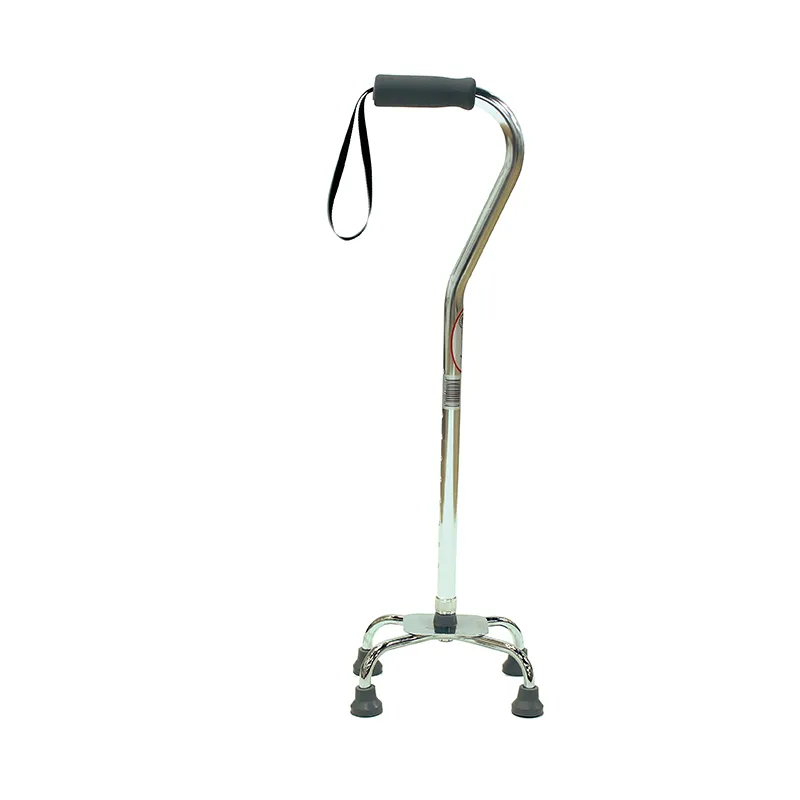
What is a walking stick?
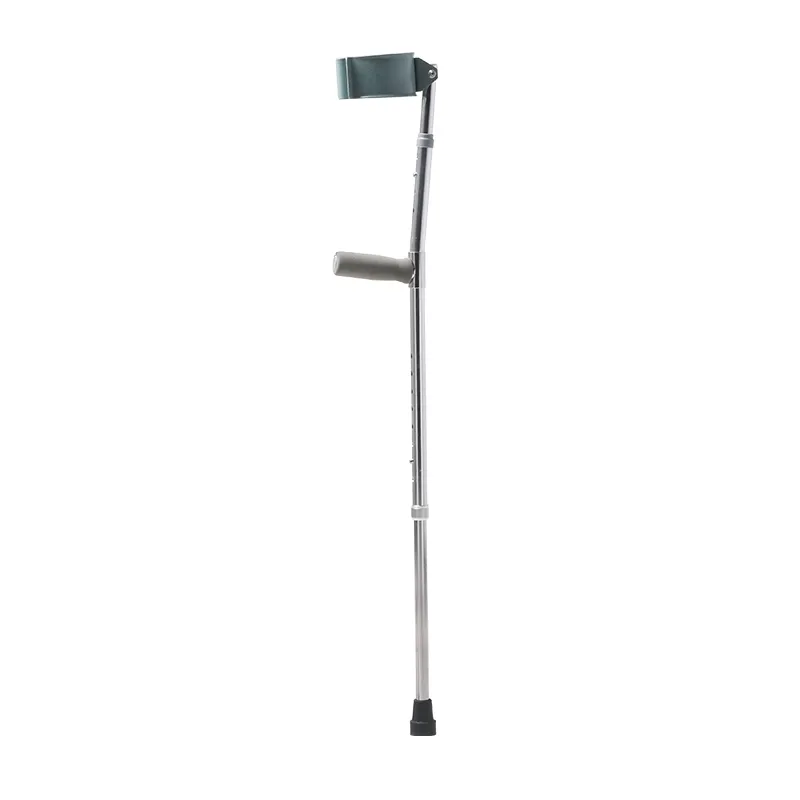
A walking stick is a tool designed to help maintain balance, distribute weight away from the lower limbs, and assist with walking. Modern walking sticks are no longer limited to traditional long wooden poles; they have evolved into assistive products featuring a wide range of materials, structures, and functions. From medical rehabilitation and daily mobility to outdoor adventure, different purposes call for different types of walking sticks. People often use the general term "walking stick" to refer to all walking aids. However, these can be further categorized into specific types: walking canes (used for medical rehabilitation), walking staffs (used for outdoor hiking), traditional walking sticks, as well as underarm crutches, forearm crutches, and quad canes. Although they all serve as walking aids, they differ in design philosophy, how they bear weight, and their intended users.
What are the English terms for these aids? What is the difference between a walking stick, a walking cane, and a walking staff?
Many English learners and professionals in foreign trade often wonder: why are there multiple English words for "walking stick"? In fact, English places great emphasis on the context of use, so different types of walking aids have distinct names.
First is the "walking stick." This is one of the most common and broadly applicable terms; it can refer generally to any rod-like tool used to assist walking or specifically to a traditional wooden cane. In British English, "walking stick" is frequently used to describe both the canes used by the elderly and the aids used for hiking, making it a highly versatile term.
Next is the "walking cane." This term emphasizes medical assistance and daily support. In North America, people often use "walking cane"—or simply "cane"—when referring to walking aids for the elderly. For instance, doctors often use the term "walking cane" when recommending a walking aid to a patient. Therefore, in contexts involving rehabilitation, elderly care, or the procurement of hospital equipment, "walking cane" is the more professional and precise term.
The third term is "walking staff." Since "staff" implies a long rod or pole, a "walking staff" typically refers to a longer, sturdier walking aid designed for long-distance hiking or wilderness exploration. Outdoor brands in Western countries often label products intended for hiking, forest trekking, or mountain expeditions as "walking staffs" rather than "walking canes."
In short, "walking stick" is a general term; "walking cane" leans towards medical assistance; and "walking staff" is primarily used for outdoor sports and long-distance hiking.
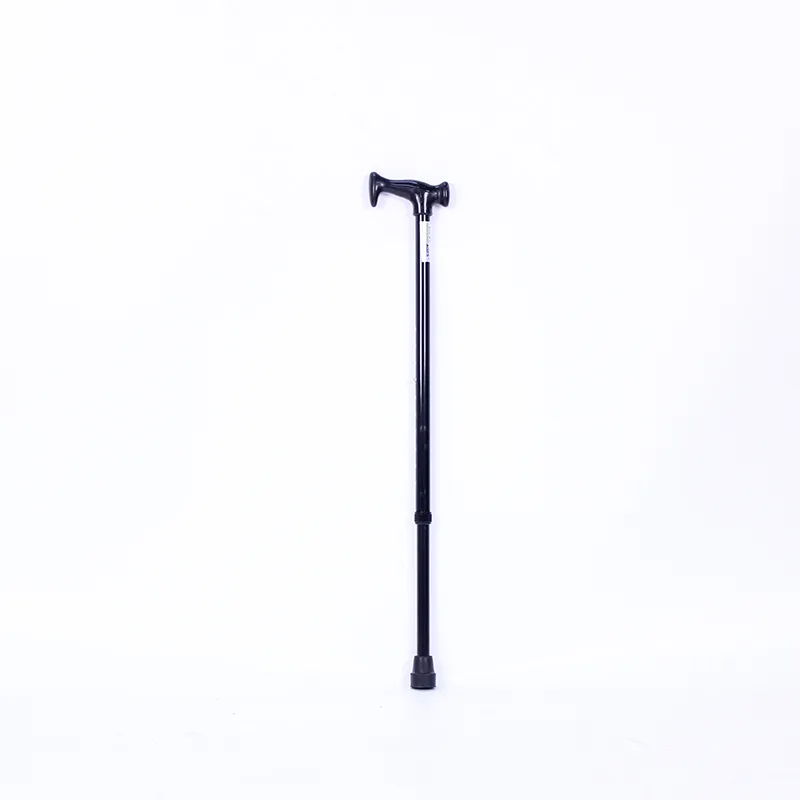
Why are there multiple English names for walking aids?
English is a language that places great emphasis on specific contexts; the same product often bears different names depending on its intended use. Just as automobiles are categorized by body style—such as SUVs, sedans, and pickups—walking aids are referred to by different terms based on the environment in which they are used.
For instance, the aid an 80-year-old uses for a daily stroll is typically called a "walking cane," whereas the aid a traveler uses for hiking in mountainous terrain is better described as a "walking staff." If referring generally to any rod-like tool that assists with walking, "walking stick" is the most natural term.
Furthermore, in literature, "walking stick" often evokes images of a gentleman's cane or a traditional wooden stick, while "walking staff" tends to conjure cultural associations with travel, hiking, or pilgrimage. Thus, these varying English terms reflect not only product differences but also the evolution of language and culture.
Main Categories of Walking Sticks
With advancements in manufacturing technology, walking aids have evolved into several distinct categories.
The most common type is the standard single-point walking stick; simple in structure and lightweight, it is suitable for everyday walking assistance.
The second category is the walking cane, which typically features an ergonomic handle and a non-slip rubber tip. These design elements enhance grip comfort and walking stability, making them ideal for the elderly and patients recovering from surgery.
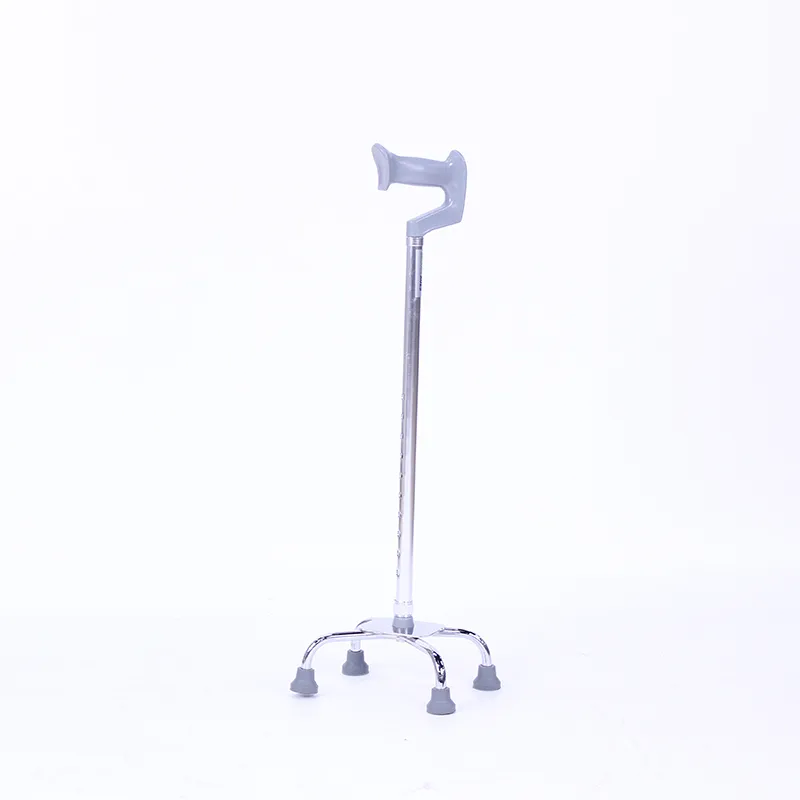
The third category is the quad-base cane (or four-legged cane). Compared to single-point models, the four-legged structure offers a larger footprint and significantly greater stability, making it better suited for individuals with impaired balance.
The fourth category is the folding walking cane. Designed for quick folding and compact storage, these are convenient for travel and represent a rapidly growing segment of the market.
The fifth category is the walking staff. Longer and sturdier than standard walking sticks, these are often made from aerospace-grade aluminum alloy or carbon fiber—materials that offer a high strength-to-weight ratio. They are well-suited for hiking, forest exploration, and trekking through mountainous terrain.
In recent years, "smart" walking sticks have also entered the market. Some models integrate features such as GPS tracking, fall detection alarms, LED lighting, SOS emergency calling, and health monitoring, providing comprehensive safety and security for the elderly.
How do you choose the right walking stick?
Selecting a suitable walking stick affects not only comfort but also the effectiveness of the support it provides.
First, consider the intended use. If it is primarily for daily walking by the elderly, prioritize an ergonomically designed walking cane; for outdoor hiking, a more durable walking staff is recommended; for short-term rehabilitation support, a standard medical walking stick will suffice.
Next, ensure the height is appropriate. Generally, when standing with arms hanging naturally, the handle should align with the crease of your wrist; when gripping the stick, your elbow should bend naturally at an angle of about 15° to 30°. This posture ensures a more natural distribution of body weight and reduces fatigue in the shoulders and wrists.
Additionally, pay attention to the handle material, slip resistance, overall weight, and maximum load-bearing capacity. For long-term users, a cane that is moderately weighted, comfortable to hold, and slip-resistant can significantly improve the user experience.
How do you use a walking stick correctly?
Many people believe that simply buying the right walking stick solves their mobility issues, but proper technique is equally important. Even a well-designed cane may fail to provide optimal support—or could even increase the risk of falling—if held incorrectly, positioned improperly, or used with the wrong gait.
Generally, individuals with weakness or pain in one leg should hold the cane in the hand on their stronger side. For example, if the left leg is injured, the cane should be held in the right hand. When stepping forward with the injured leg, first move the cane forward an appropriate distance, then advance the injured leg and the cane simultaneously, and finally step forward with the stronger leg to catch up. This gait creates a more stable triangular base of support for the body, reducing the pressure placed on the affected leg.
For patients who have recently undergone hip, knee, or ankle surgery, doctors will typically recommend specific types of walking aids based on the stage of rehabilitation. Initially, you may need a pair of crutches or a walker; as your recovery progresses, you can gradually transition to using a single walking stick. Throughout this process, it is crucial to strictly follow the guidance of your doctor or rehabilitation therapist and avoid prematurely reducing your reliance on assistive devices.
If you are using a walking staff for outdoor hiking, you should adjust your technique based on the terrain. On flat ground, you can maintain a natural pace while using the staff for balance; on steep slopes, loose gravel, or slippery surfaces, you should plant the staff firmly ahead of you to provide extra support and prevent slipping due to shifts in your center of gravity.
What are the common materials used for walking sticks?
Walking sticks have evolved from traditional wood to a variety of modern materials, each with its own advantages and ideal use cases.
Wooden walking sticks have a long history, featuring natural grain and a classic aesthetic; they are commonly found in traditional walking staffs and formal canes. While they offer a premium feel and collectible value, they are relatively heavy, which can strain the arm during prolonged use.
Aluminum alloy is currently one of the most widely used materials on the market. Canes made from aluminum alloy are lightweight, corrosion-resistant, and reasonably priced; they also feature adjustable heights, making them a mainstream choice in medical assistive devices.
Carbon fiber has gained popularity in recent years. Compared to standard aluminum alloy, carbon fiber walking sticks offer superior strength and lighter weight, making them ideal for individuals who require them for extended periods or engage in frequent outdoor activities. However, due to higher manufacturing costs, carbon fiber products generally come with a higher price tag.
Stainless steel is prized for its durability and is suitable for specialized environments or applications requiring high load-bearing capacity; however, due to its weight, its use in the everyday walking cane market is relatively limited.
Additionally, some high-end walking staffs utilize aerospace-grade aluminum, titanium alloys, and composite materials to reduce weight while further enhancing durability, catering to the needs of professional hikers and mountaineers.
Who can benefit from using a walking stick?
Many people mistakenly believe that walking sticks are only for the elderly; in reality, their range of application is far broader than commonly imagined. First, older adults constitute the primary user group. As people age, muscle strength, balance, and bone density gradually decline; the proper use of a walking cane helps maintain stability, enhances the ability to move about independently, and improves quality of life.
Second, individuals recovering from fractures, joint replacement surgery, ligament injuries, or other operations often require walking sticks for temporary mobility support. By effectively distributing body weight, these aids reduce pressure on the affected limb and facilitate recovery.
Additionally, individuals suffering from conditions such as Parkinson’s disease, the aftereffects of a stroke, or multiple sclerosis may rely on walking canes for long-term balance support.
For enthusiasts of hiking, camping, forest exploration, and long-distance trekking, a walking staff is an essential piece of outdoor gear. It not only aids in maintaining balance but also reduces the load on knee joints, making long-distance walking more comfortable.
How should a walking stick be cared for and maintained?
A high-quality walking stick can last for years if properly maintained. Routine maintenance involves several key aspects.
First, the non-slip rubber tip at the bottom should be inspected regularly. If the tip shows signs of significant wear, cracking, or hardening, it should be replaced promptly to prevent a loss of traction and an increased risk of falls.
Second, all connection points should be checked for security. For height-adjustable canes, ensure the locking mechanism is tight; for foldable models, inspect the folding joints for wear or deformation.
For wooden walking staffs, avoid prolonged exposure to damp environments to prevent the wood from cracking, warping, or developing mold. For aluminum alloy and carbon fiber models, avoid severe impacts that could compromise the structural integrity.
For daily cleaning, wipe the surface with a soft, damp cloth and avoid using corrosive agents—such as strong acids or alkalis—to help extend the product's lifespan.
FAQ
Q1: What is the most common English term for a walking stick?
A: The most common and versatile term is "walking stick," which is appropriate for use in most situations.
Q2: What is the difference between a "walking stick" and a "walking cane"?
A: "Walking stick" is a broad term, whereas "walking cane" usually refers to a cane used for medical assistance or by the elderly, emphasizing rehabilitation and support functions.
Q3: Who is a "walking staff" suitable for?
A: A "walking staff" is better suited for hiking, mountaineering, camping, wilderness exploration, and long-distance walking.
Q4: What kind of cane should the elderly choose?
A: Most elderly people are best suited to a "walking cane" that features an ergonomic design, good non-slip properties, and adjustable height; the specific choice should also take into account physical condition and medical advice.
Q5: How should the height of the cane be determined?
A: When standing naturally, the handle height should generally align with the wrist crease; when holding the cane, the elbow joint should maintain a natural bend of approximately 15° to 30°.
Q6: What features do smart canes have?
A: Common features include GPS tracking, fall alerts, LED lighting, SOS emergency calls, voice prompts, health data monitoring, and Bluetooth connectivity.
Q7: What are the advantages of carbon fiber canes?
A: Carbon fiber canes (walking sticks) offer advantages such as light weight, high strength, and corrosion resistance, making them ideal for long-term use or outdoor activities, though they are usually more expensive than standard aluminum alloy products.
Q8: Can a "walking cane" be used for outdoor mountaineering?
A: While it can be used, if you are planning long hikes or traversing complex terrain, it is generally recommended to choose a sturdier and more durable "walking staff."
Q9: Do canes need to be replaced regularly?
A: If the bottom tip is worn, the structure becomes loose, cracks appear, or it no longer provides adequate physical support, it should be repaired or replaced promptly to ensure safety.
Q10: What is the most important factor when buying a cane?
A: You should consider factors such as the intended use, product height, weight capacity, material, weight, non-slip performance, handle comfort, and your personal physical condition to choose the "walking stick," "walking cane," or "walking staff" that best suits your needs.