

A walking stick is a crucial device among human walking aids. It helps users maintain balance, reduce joint pressure, and improve gait stability, while providing significant support during rehabilitation training and daily mobility. Whether due to age, muscle weakness, lower limb injury, or the need to relearn proper gait, a walking stick plays an important role.
However, using a walking stick is not a process without limitations; it brings both significant advantages and certain limitations and potential risks. Therefore, understanding the advantages and disadvantages of using a walking stick is crucial for the elderly, rehabilitation patients, caregivers, and professionals involved in gait training.
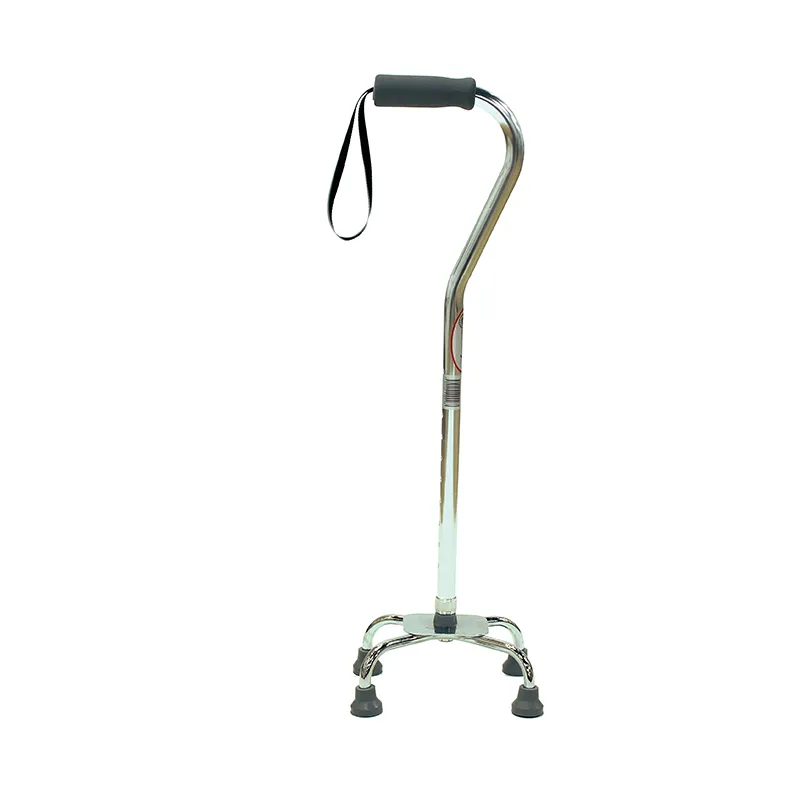
Why do more and more people need to use walking sticks?
Walking sticks are widely used in modern life due to various factors, including physiological aging, increased risk of musculoskeletal problems, and chronic diseases affecting gait stability. As people age, the decline in lower limb strength, nerve reaction speed, and balance makes them more prone to instability while walking; therefore, walking sticks have become an important aid for the elderly.
In addition, many people undergoing rehabilitation need to use walking sticks in the early stages of recovery to reduce joint load and protect surgical sites or injured areas. For these reasons, the walking stick has evolved from a simple support cane to an important walking aid with medical significance.
But is using a walking stick suitable for everyone? Can a walking stick truly completely improve walking problems? To answer these questions, we need to analyze the advantages and disadvantages of walking sticks separately.
What are the main advantages of using a walking stick?
The following content will explain the advantages of using a walking stick from multiple dimensions, including medical, functional, biomechanical, and safety aspects.
1. A walking stick effectively increases stability while walking
By providing an additional point of contact, a walking stick gives people more support surfaces during walking, which helps improve balance. On uneven ground, with many obstacles, or when lower limb strength is insufficient, a walking stick can significantly reduce the risk of falls.
Improved stability is manifested in:
• Reduced swaying while standing
• Improved center of gravity transfer
• Increased confidence while walking
• Smoother and safer movements
For people with poor balance, a walking stick is not only an aid but also a source of psychological support.
2. Walking sticks can reduce the weight-bearing pressure on lower limb joints
Especially in cases where the knee and hip joints bear a heavy load, walking canes can provide a significant reduction in pressure. This is particularly crucial for the following groups:
• Arthritis patients
• Individuals recovering from lower limb fractures
• Individuals undergoing post-joint replacement surgery rehabilitation
• Individuals with long-term muscle weakness
By using a walking cane correctly, a portion of the body weight can be transferred to the upper limbs, reducing the likelihood of further joint damage.
3. Walking sticks can help establish a more correct gait pattern
Many people with pain, muscle weakness, or gait abnormalities develop compensatory walking patterns, such as:
• Leaning excessively to one side
• Unstable stride length
• Excessive forward leaning
Walking canes can serve as a gait training tool, helping users learn the correct walking rhythm, stride length, and weight transfer.
In professional rehabilitation training, walking canes are often used for:
• Gait correction
• Lower limb strength rebuilding
• Restoration of daily activity capabilities
When used with the correct technique, walking canes contribute to the improvement of overall movement patterns.
4. Walking sticks provide immediate security and psychological support
For many elderly people or those undergoing rehabilitation, the fear of falling again is a real and common fear. Walking sticks not only provide physical support but also offer psychological stability, making users more willing to engage in active movement, thereby promoting physical function recovery.
This psychological effect includes:
• Increased willingness to be active
• Reduced fear of walking or standing
• Promotion of independent living
• Increased daily confidence
Therefore, the positive psychological impact of walking sticks should not be overlooked.
5. Walking sticks are convenient to carry and easy to use
The portability, light weight, and low cost of walking sticks are important reasons why they are widely used as assistive devices.
Advantages include:
• No complex training required
• Can be used anytime in daily life
• Applicable in most situations
• Easy to clean and maintain
This convenience is very attractive to people who need to use assistive devices long-term.
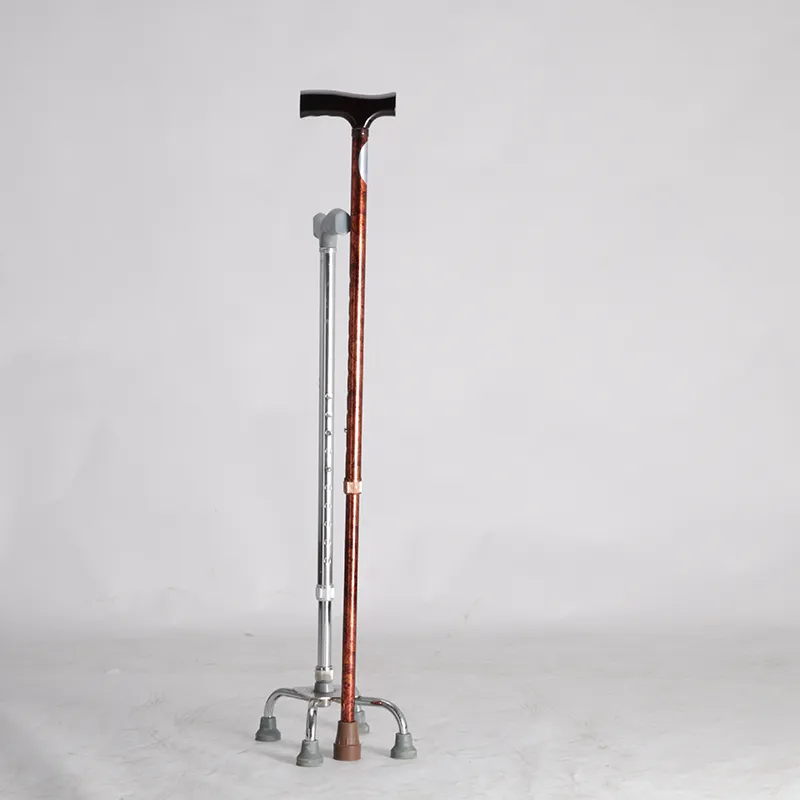
Are there any potential risks associated with using walking canes?
What are the disadvantages to be aware of?
Although walking canes have obvious advantages, if used improperly, they may cause additional burden or even injury. Therefore, understanding their disadvantages and limitations is equally important.
1. Walking canes can lead to excessive strain on the upper limbs
When relying on a walking cane for extended periods, users may experience the following upper limb problems:
• Wrist pain
• Increased pressure on the elbow joint
• Shoulder muscle tension
• Palm tenderness or skin abrasion
These problems become more pronounced if the walking cane height is unsuitable, the grip is incorrect, or the usage time is too long.
2. Improper use of walking canes can affect gait stability
Incorrect walking cane usage can lead to habitual incorrect gait patterns, such as:
• Unnatural shift in center of gravity
• Significant body tilt
• Uneven stride length
• Development of dependence
Especially without professional guidance, walking canes can lead to a situation where the user becomes "less stable with each step."
3. Walking canes are not suitable for all types of walking disabilities
In some cases, a walking cane alone cannot provide sufficient support, such as:
• Weakness in both lower limbs
• Severe overall muscle weakness
• Significantly reduced coordination
• Severe neurological gait disorders
For these individuals, more stable devices such as walkers, crutches, or forearm crutches may be needed.
4. Walking canes can lead to excessive dependence
When users become psychologically overly dependent on walking canes, they reduce the involvement of their lower limb muscles, preventing adequate exercise of leg strength over time, leading to:
• Muscle atrophy
• Difficulty returning to an unassisted gait
• Impact on overall mobility
This is a common but easily overlooked drawback.
5. Unsuitable walking sticks can pose additional dangers
For example:
• Incorrect walking stick length → leads to body misalignment
• Worn walking stick base → increased risk of slipping
• Poor walking stick handle material → palm discomfort or abrasions
• Improper use on slippery surfaces → increased risk of falls
Therefore, a walking stick is not a tool that can be used without proper adjustment and selection.
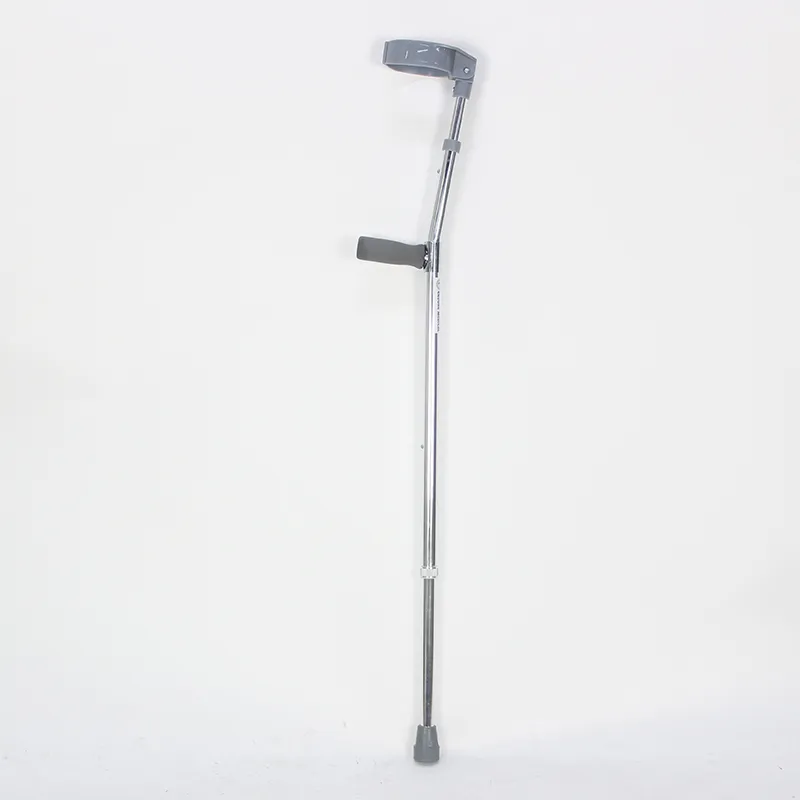
What key factors should be considered when choosing a walking cane?
To ensure that using a walking cane provides maximum benefits and minimizes drawbacks, the following factors should be carefully evaluated.
1. Is the walking cane height appropriate?
The ideal walking cane height standard is:
• When the arm is naturally hanging down,
• The top of the walking stick should be near the wrist crease.
• After gripping the stick, the elbow should be slightly bent at approximately 15°–20°.
Too high will cause the shoulder to lift and an unnatural posture;
Too low will lead to leaning forward and gait imbalance.
2. Does the type of walking stick match the needs?
Common types include:
• Single-point walking stick (for mild instability)
• Multi-point walking stick (for greater stability)
• Forearm crutches (for those with stronger upper body strength)
• Trekking poles (for outdoor activities)
Choosing the wrong type will not only be ineffective but may even cause new problems.
3. Does the user master the correct walking method?
Correct techniques include:
• Synchronizing the walking stick with the opposite leg
• Natural weight transfer
• Not taking excessively large steps
• Maintaining an upright posture
If necessary, professional guidance and training should be provided.
4. Is the material and structure of the walking stick safe?
Assessment points:
• Is the anti-slip rubber pad secure?
• Is the shaft sturdy and free of cracks?
• Is the handle ergonomically designed?
• Does it have anti-slip properties?
An appropriate walking stick is essential for safe walking.
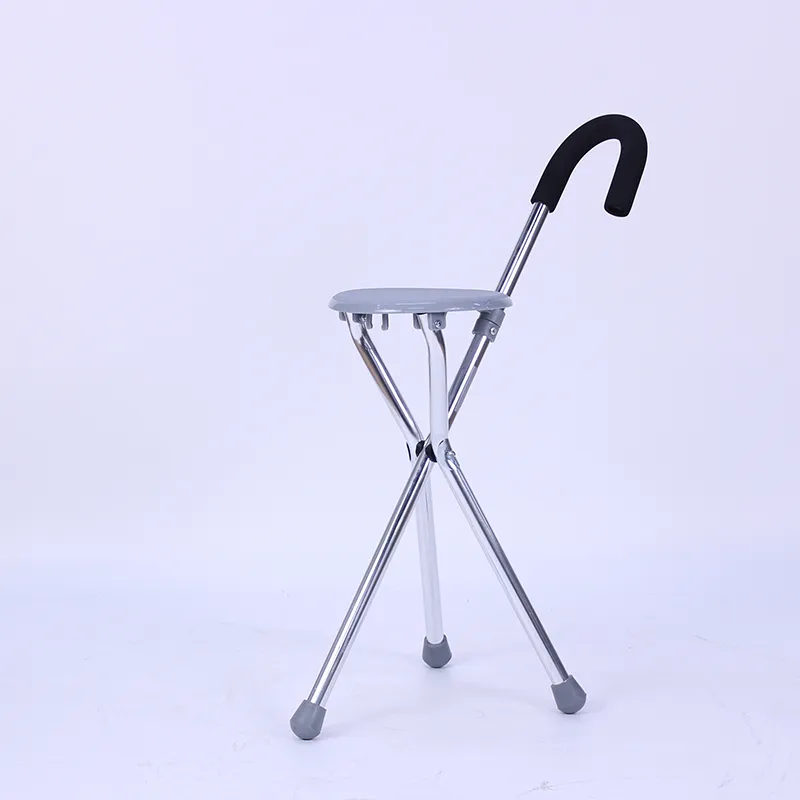
How to balance the advantages and disadvantages of using a walking stick? Is it worth using?
Overall, walking sticks have both significant advantages and certain limitations. Whether it is worth using depends on the following factors:
• The user's walking ability
• Lower limb weight-bearing capacity
• Balance ability
• Whether professional guidance can be received
• Whether the usage environment is suitable
With proper selection and adjustment, most people can benefit significantly from using a walking stick.
However, if used improperly, the disadvantages may outweigh the advantages.
Therefore, a walking stick is not "the earlier the better" or "suitable for everyone," but should be chosen purposefully after evaluation.
What payment methods does Dayang Medical accept?
We accept multiple international payment methods including bank transfer (T/T), PayPal, L/C, and other secure options. Buyers who purchase from our factory can enjoy discounted pricing and wholesale offers when they place bulk orders. Our transparent factory quotes and flexible payment policies make it easier for distributors, hospitals, and retail brands to source high quality medical equipment from China. Payments are secured, and our team provides confirmation and order tracking for peace of mind.