

When people require additional support, balance, and stability while walking, a walking stick becomes an indispensable assistive tool in their daily lives. Whether for the elderly, individuals recovering from surgery, those with lower-limb weakness, or simply users seeking extra stability during outdoor hikes, a suitable walking stick can provide significant assistance.
However, given the vast array of walking stick types—each varying in material and design—many people often feel overwhelmed and unsure where to begin when making a purchase. Consequently, it is crucial to understand the different types of walking sticks, their respective pros and cons, and—most importantly—to identify which specific type is best suited to your individual needs.
From a professional perspective, this article will provide a comprehensive breakdown of walking stick classifications, structural features, target user groups, and key purchasing considerations, helping you make the most informed decision amidst the multitude of available options.
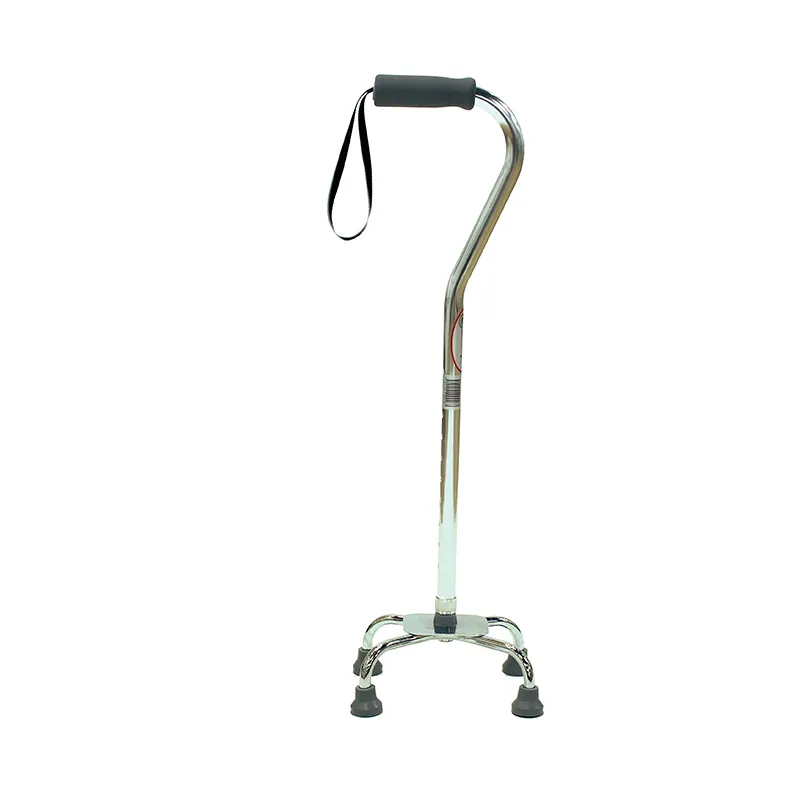
Why Are There So Many Different Types of Walking Sticks on the Market?
Due to variations in users' physical conditions, environmental requirements, weight-bearing needs, and personal habits, a single walking stick design can rarely satisfy everyone. As a result, walking stick designs have gradually evolved into a diverse range of types—from the most basic straight-handle sticks to more functional quad canes, and even modern sticks featuring shock absorption or collapsible mechanisms—with each type specifically designed to address a particular set of needs.
What Are the Main Types of Walking Sticks?
The main types of walking sticks include:
1. Straight Walking Sticks
2. Quad Canes (Four-Legged Sticks)
3. Folding Walking Sticks
4. Hiking Sticks (Trekking Poles)
5. Ergonomic Walking Sticks
Below, we will introduce these most common types of walking sticks in detail, analyzing their distinct features, advantages, and appropriate usage scenarios.
What Are the Features of Straight Walking Sticks? Who Are They Suitable For?
The Straight Walking Stick is the most traditional, simplest, and most widely used type of walking stick available. Its defining characteristics include a straight shaft, typically fitted with a single-point tip (ferrule), and a handle that is most often shaped like a "T," a "J," or an ergonomic contour.
Features of Straight-Handle Canes
• Simple structure and lightweight design
• Adjustable height, suitable for basic use by most people
• Designed to meet mild support requirements
• Highly portable and convenient to carry when going out
Advantages of Straight-Handle Canes
• Relatively light in weight, facilitating easy one-handed use
• Generally affordable, making them suitable for those on a limited budget
• Provides sufficient support for routine daily walking
Disadvantages of Straight-Handle Canes
• Offers only average stability
• Not suitable for users requiring significant weight-bearing support
• Not suitable for individuals with severe balance impairments
Who Are Straight-Handle Canes Suitable For?
• Individuals experiencing mild lower-limb aches or discomfort
• Elderly individuals with mild walking unsteadiness
• Users who require only minimal assistance with balance
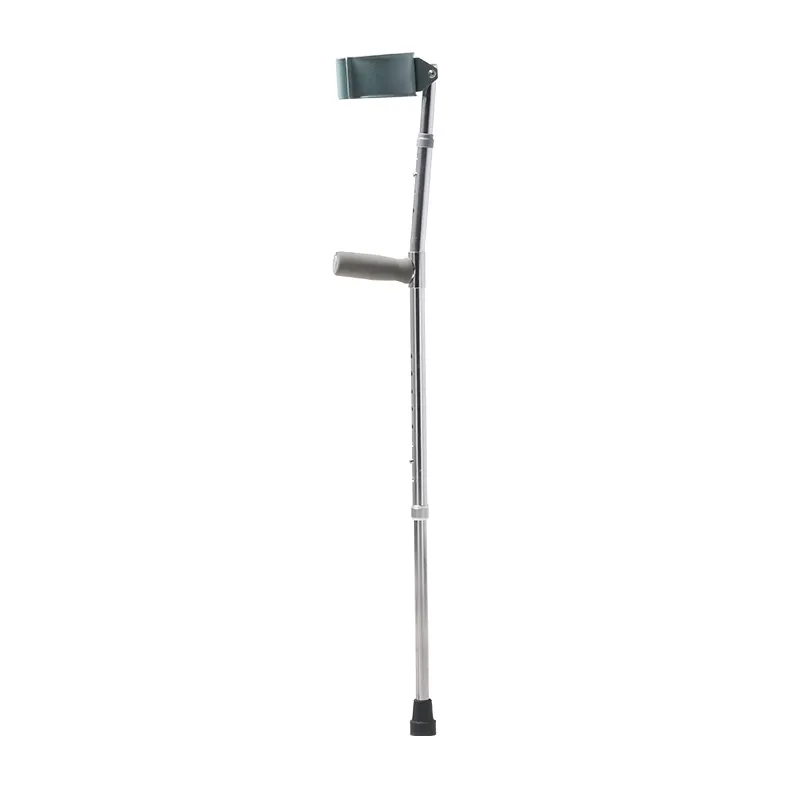
Are Quad Canes Really More Stable? Who Are They For?
A Quad Cane features a base supported by four small feet; this design increases the surface area in contact with the ground, thereby significantly enhancing stability.
Features of Quad Canes
• Available in two base sizes: large and small
• Offers superior stability and stronger weight-bearing support
• Each leg adjusts independently to the ground surface, minimizing the risk of slipping
Advantages of Quad Canes
• Significantly more stable than straight-handle canes
• Provides the user with stronger physical support
• Capable of supporting a portion of the user's body weight, enabling safer walking
Disadvantages of Quad Canes
• Slightly heavier in weight
• Less agile and portable compared to single-point canes
• Requires a period of adjustment to get accustomed to the multi-point base
Who Are Quad Canes Suitable For?
• Middle-aged and elderly individuals with weakened lower-limb strength
• Individuals prone to losing their balance while walking
• Those with reduced mobility during a rehabilitation period
Are Folding Canes Worth Buying? Are They More Convenient Than Traditional Canes?
A Folding Cane is a highly portable type of walking aid; its shaft is segmented into several sections that can be folded and unfolded using internal elastic cords or connecting cables.
Features of Folding Canes
• Can be folded down to a very compact size, ideal for travel or carrying on the go.
• Typically constructed from lightweight materials, such as aluminum alloy.
• Offers the same functionality as a standard straight-handle cane.
Advantages of Folding Canes
• Highly portable.
• Suitable for users who travel frequently.
• Lightweight yet sufficiently durable.
Disadvantages of Folding Canes
• Less stable than quad canes (four-legged canes).
• Some lower-quality models may carry a risk of loose joints.
Who Are Folding Canes Suitable For?
• Users who frequently travel or go out.
• Individuals requiring only temporary walking assistance.
• Users who want a cane that can be easily stowed in a bag.
What is the difference between trekking poles and everyday canes? Do you need specialized poles for outdoor hiking?
Trekking poles (or hiking sticks) are primarily designed for outdoor sports and are not classified as medical assistive devices; however, in certain situations, they can still provide assistance for everyday walking.
Features of Trekking Poles
• Typically sold as a pair (two poles).
• Feature shock-absorbing capabilities.
• Equipped with interchangeable tips or pads suitable for various terrains.
• Shafts are often made of carbon fiber or aluminum.
Advantages of Trekking Poles
• Provide strong support and reduce pressure on the joints.
• Improve walking efficiency during climbs.
• Particularly effective on complex outdoor terrain.
Disadvantages of Trekking Poles
• Not suitable for use as a medical-grade everyday cane.
• Overkill (functionally excessive) for routine indoor use.
Who Are Trekking Poles Suitable For?
• Enthusiasts of hiking and mountaineering.
• Users who require enhanced stability while outdoors.
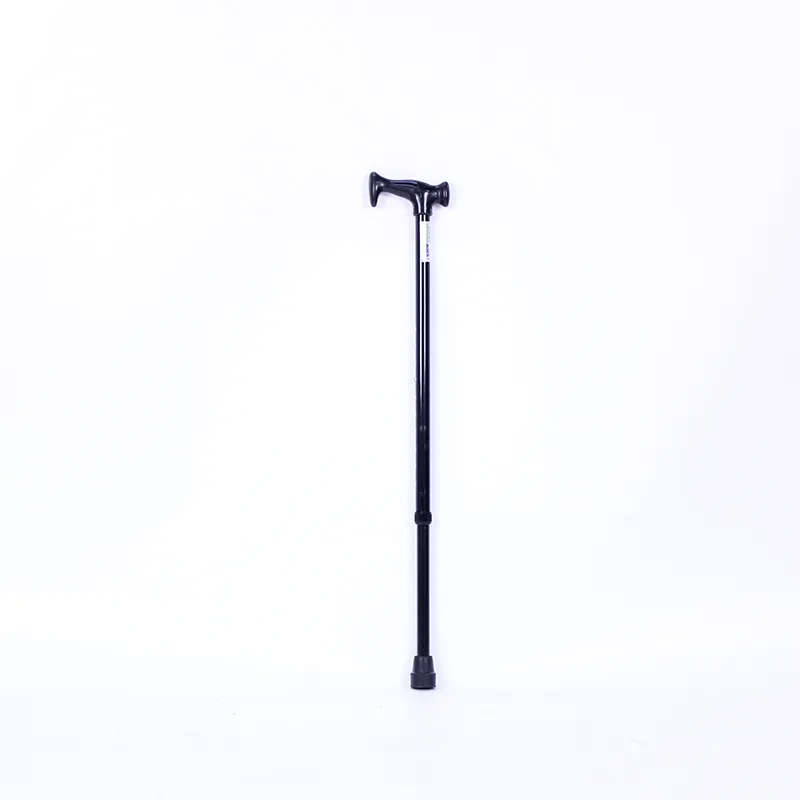
What makes ergonomic canes unique?
Ergonomic canes are modern walking aids designed to improve grip comfort and reduce strain on the wrist.
Features of Ergonomic Canes
• Handles are contoured to fit the natural structure of the hand.
• Some models feature built-in shock-absorption systems.
• Designed to minimize fatigue during prolonged use.
Who Are Ergonomic Canes Suitable For?
• Individuals prone to wrist pain.
• Users who rely on a cane for extended periods.
What is the difference between medical canes and standard canes? Is a specific choice necessary?
Medical-grade crutches are designed specifically to address needs related to medical conditions, post-operative recovery, and similar requirements. They typically adhere to rigorous medical device standards, featuring:
• Stricter standards regarding material strength and durability
• Higher weight-bearing capacities
• Rigorously tested non-slip tips or pads
• Handles designed with a greater emphasis on ergonomics
If your need for a walking aid stems from a medical condition, surgery, or chronic mobility impairment, a medical-grade crutch is undoubtedly the more appropriate choice.
Which type of crutch is best? How should you choose?
From a professional standpoint, there is no single "best" crutch; the ideal choice depends entirely on an individual's physical condition, intended usage environment, and personal habits.
Below, we offer guidance across several key dimensions to help you make an informed decision.
1. Which crutch is best for those requiring strong support?
If your primary need is "high stability," a quad cane (four-legged crutch) is the best option. It can support a greater amount of body weight and offers significantly more stability than a standard single-point cane.
2. Which crutch is most suitable for those needing only mild assistance?
Users requiring only mild assistance will find a straight-handle cane most suitable. It is lightweight, affordable, easy to carry, and meets the majority of basic mobility needs.
3. Which crutch is most convenient for travel?
Frequent travelers should opt for a folding cane. It can be folded down for compact storage, takes up very little space, and is ideal for carrying with you on the go.
4. Which crutch should be chosen by those prone to hand or wrist pain?
Individuals in this category are better suited to ergonomic canes or canes featuring shock-absorbing mechanisms, which effectively reduce the strain caused by prolonged use.
5. Which crutch is best for walking outdoors?
For outdoor hiking or mountaineering, a trekking pole is undoubtedly the best choice. Standard canes are ill-equipped to handle complex terrain; trekking poles not only provide support but also help alleviate pressure on the knees.
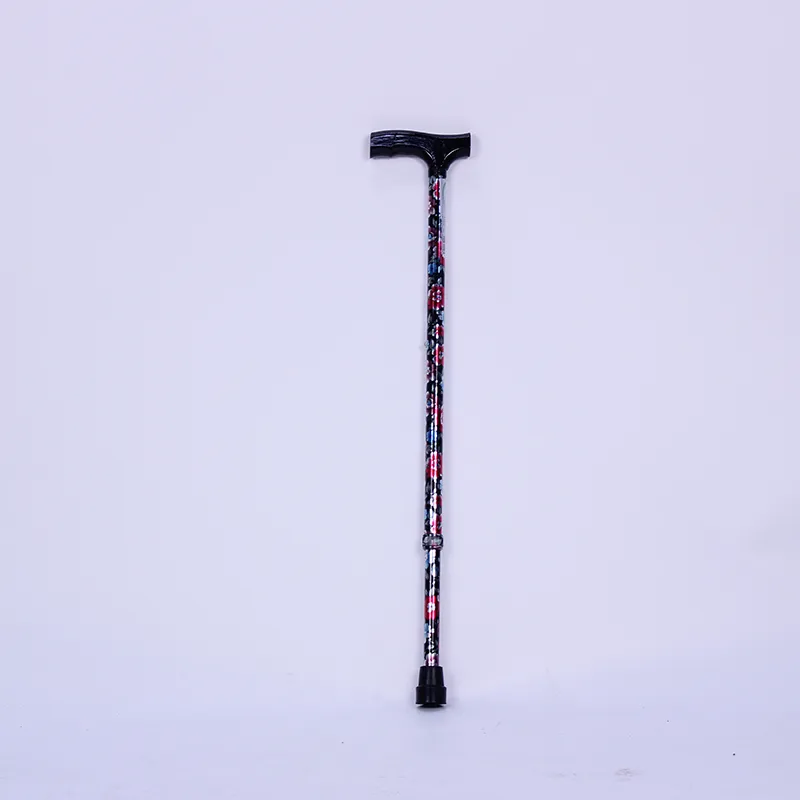
How do you choose the most suitable crutch based on your physical condition?
Below, we provide more specialized recommendations for selecting a walking aid from the perspective of medical rehabilitation.
1. Choose a Cane Type Based on Balance Ability
• Mild balance impairment: Straight-handle cane
• Moderate balance impairment: Quad cane (four-legged)
• Severe balance issues: Consult a professional rehabilitation therapist first to determine if a cane is suitable.
2. Choose a Cane Structure Based on Weight-Bearing Needs
• For assistance only: A single-point, straight-handle cane is sufficient.
• Need to bear partial body weight: A quad cane is preferable.
3. Choose a Handle Type Based on Hand Condition
• Hands tire easily: Ergonomic handle
• Weak hand strength: Thicker, soft-grip handle
• Limited finger dexterity: T-handle is easier to grasp.
4. Consider Portability Based on Daily Lifestyle
• Frequently go out: Folding cane
• Used only at home: Straight-handle or quad cane
How can you tell if a cane is of high quality?
When shopping for a cane, evaluate it based on the following criteria to determine if it is worth purchasing:
✔ Is the material sturdy? (Aluminum alloy or carbon fiber are best.)
✔ Does it feature a safe and reliable non-slip tip?
✔ Is the height adjustment smooth, and does it lock securely?
✔ Is the handle comfortable to grip?
✔ Does it comply with local medical device standards (e.g., FDA, CE)?
What is the most scientifically correct way to adjust cane height?
Correct cane height is crucial for walking safety. When adjusting, follow these principles:
• Stand in a natural, upright position.
• Let your arms hang naturally at your sides.
• The cane height should allow your elbow to bend at an angle of approximately 15–20 degrees.
• The base of the cane should rest slightly in front of and to the side of your body.
The correct height reduces strain on the shoulders and wrists while improving walking efficiency.
Which cane is the best?
The best cane is not necessarily the most expensive one, nor the one with the most features; rather, it is the one that best meets your specific needs.
• Need portability? Choose a folding cane.
• Need stability? Choose a quad cane.
• Need something lightweight? Choose a straight-handle cane.
• Need it for outdoors? Choose a hiking cane.
• Have wrist pain? Choose an ergonomic cane.
By simply choosing based on your own requirements, you can find the cane that truly suits you, thereby enhancing both your quality of life and your walking safety.