

What Are the 3 Types of Hospital Beds? — Manual, Semi-Electric, and Full-Electric: How to Choose?
In the modern healthcare system, hospital beds are no longer merely pieces of furniture for patients to rest on; they are critical medical devices that directly impact the efficiency of recovery, patient safety, and the quality of care. Different types of hospital beds are suited to varying patient needs and medical environments; therefore, understanding the structure and functions of each type is essential.
So, what are the different types of hospital beds available? And who is each type best suited for?
The three most common types are: manual hospital beds, semi-electric hospital beds, and full-electric hospital beds.
This article will provide a detailed breakdown of these three types, helping you gain a deeper understanding of their structure, features, differences, and key considerations when making a purchase.
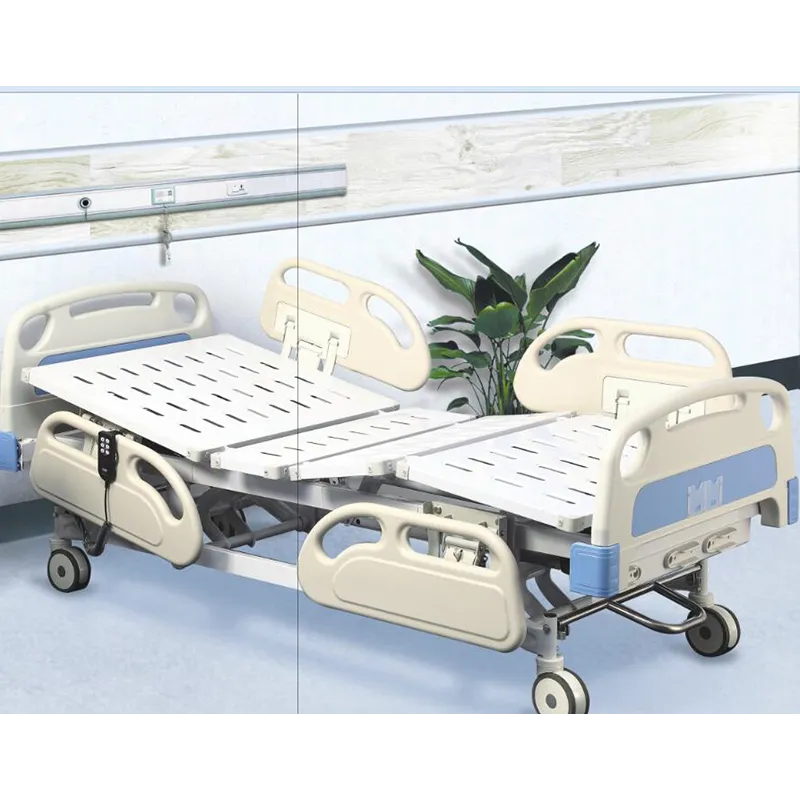
Why Are There So Many Types of Hospital Beds?
Different types of patients have distinct needs during their hospital stays:
• Some patients require only short-term bed rest and have minimal nursing requirements;
• Others require prolonged bed rest or need to adjust their body positioning during a rehabilitation phase;
• Still others—particularly critically ill patients—require frequent positional adjustments or specialized medical treatments.
Consequently, when equipping their facilities, hospitals must select the appropriate type of hospital bed based on the patient's condition, specific nursing requirements, and budgetary constraints.
This is precisely why the hospital beds commonly found in healthcare facilities fall into the following three categories:
1. Manual Hospital Beds
2. Semi-Electric Hospital Beds
3. Full-Electric Hospital Beds
In the following sections, we will introduce the structure, functions, and target users for each of these three types of beds.
What Is a Manual Hospital Bed?
A manual hospital bed is a bed in which the angle of the bed sections (backrest/leg rest) or the overall height of the bed frame is adjusted using a mechanical hand-crank mechanism.
It does not rely on an external power source and lacks an electric control system. Typically, manual hospital beds are equipped with one to three hand cranks, which allow for independent adjustment of the backrest, leg rest, or the overall bed height.
Features of Manual Hospital Beds:
• Economical and Practical: Relatively low cost and simple to maintain;
• No Electricity Required: Suitable for environments without access to electricity or for use as backup beds;
• Sturdy Construction: Features a durable metal frame suitable for general nursing care.
Common Types of Manual Hospital Beds:
• Single-Crank Bed: Allows for adjustment of the backrest angle only;
• Double-Crank Bed: Allows for adjustment of both the backrest and the leg rest;
• Triple-Crank Bed: Adds a height adjustment function to the capabilities of the double-crank bed.
Comparison of Pros and Cons of Manual Hospital Beds:
Pros | Cons
Affordable price, low maintenance costs | Adjustment requires manual operation; time-consuming and labor-intensive
No power supply required; suitable for emergency use | Not suitable for patients requiring long-term bed rest
Simple structure, easy to repair | High physical workload for nursing staff
Manual hospital beds are suitable for patients requiring short-term hospitalization, use in general wards, or as temporary backup beds.
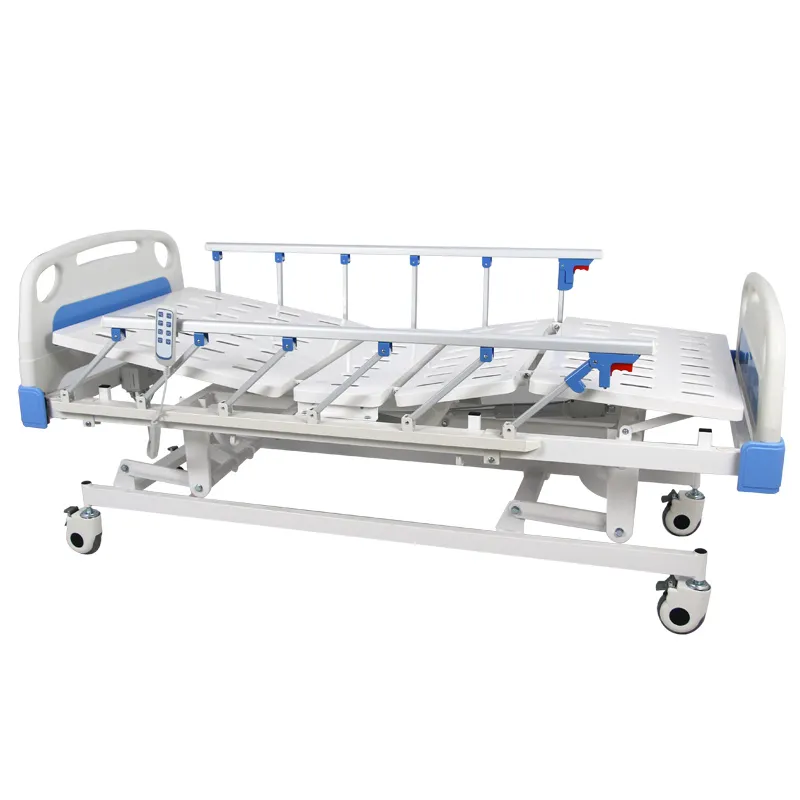
What is a Semi-Electric Hospital Bed?
A semi-electric hospital bed combines both electric and manual control methods. Typically, the angles of the backrest or leg section are controlled by motors, while the overall bed height still requires manual cranking. This design strikes a balance between providing some of the convenience of electric operation while keeping costs under control.
Structural Components of a Semi-Electric Hospital Bed:
• Motor System: Used to control the angles of the backrest or leg section;
• Manual Crank: Used to adjust the height of the bed frame;
• Control Panel/Handset: Simple to operate, making it easy for elderly users to utilize;
• Bed Frame Section: Consists of segmented bed boards, side rails, IV poles, and other components.
Advantages of Semi-Electric Hospital Beds:
• Convenient to Use: Key sections feature electric adjustment, saving time and physical effort;
• Economical: More affordable than fully electric hospital beds;
• Easy Maintenance: Simple structure with fewer complex electrical circuits;
• Usable During Power Outages: Can still be operated manually via the hand crank in the event of a power failure.
Disadvantages of Semi-Electric Hospital Beds:
• Requires a combination of electric and manual adjustments, making operation slightly more complex;
• Limited number of motors; offers fewer functions compared to fully electric hospital beds;
• Still requires some manual assistance from caregivers during long-term care.
Suitable Users/Settings:
• Patients undergoing rehabilitation;
• Individuals requiring partial self-care capabilities but with limited mobility;
• Hospital wards or medical facilities with limited budgets that prioritize nursing efficiency.
Therefore, semi-electric hospital beds balance both economic feasibility and practicality, making them currently the most widely used type of mid-range hospital bed in both clinical settings and home care environments.
What is a Fully Electric Hospital Bed?
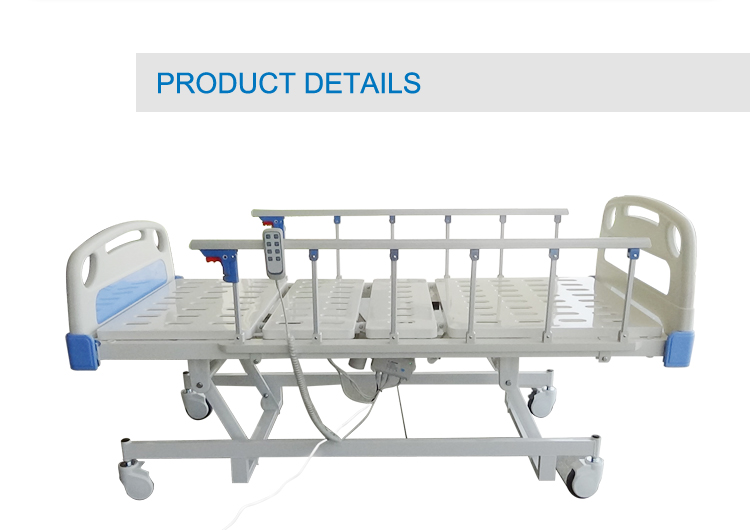
A fully electric hospital bed is a high-end medical bed that achieves comprehensive adjustability through the use of multiple motors and an electronic control system. Patients or caregivers can easily adjust the hospital bed height, backrest angle, leg section angle, and overall bed positioning using a handheld remote or control panel buttons.
Features of Fully Electric Hospital Beds:
• Fully Automatic Control: All bed movements are driven by electric motors.
• Multifunctional Adjustment: Enables height adjustment, backrest elevation, leg support, position changes, and more.
• Integrated Safety System: Equipped with anti-pinch protection, limit switches, and power protection devices.
• High Comfort: Ergonomically designed to ensure comfort for patients requiring prolonged bed rest.
Core Functions of Fully Electric Hospital Beds:
• Overall Height Adjustment: Allows for height regulation to facilitate patient care and treatment.
• Backrest/Leg Angle Control: Accommodates various postural requirements.
• Automatic Position Changing: Certain models feature a left-to-right turning function.
• CPR One-Touch Reset: Enables rapid flattening of the bed for emergency cardiopulmonary resuscitation.
• Battery Backup System: Ensures continued operation during power outages.
Pros and Cons of Fully Electric Hospital Beds:
Pros | Cons
Simple operation; reduces caregiver burden | Higher cost
Comprehensive functionality; high safety standards | Relatively higher maintenance costs
Suitable for long-term bedridden patients | Dependent on power supply
Enhances patient comfort | Heavy equipment; difficult to move
Target Users for Fully Electric Hospital Beds:
• Patients requiring long-term bed rest or those in critical condition.
• Wards requiring intensive nursing care (e.g., ICUs).
• Medical facilities requiring precise patient positioning and high safety standards.
Fully electric hospital beds are a standard fixture in modern hospitals, particularly well-suited for intensive care units, long-term care facilities, and premium patient wards.
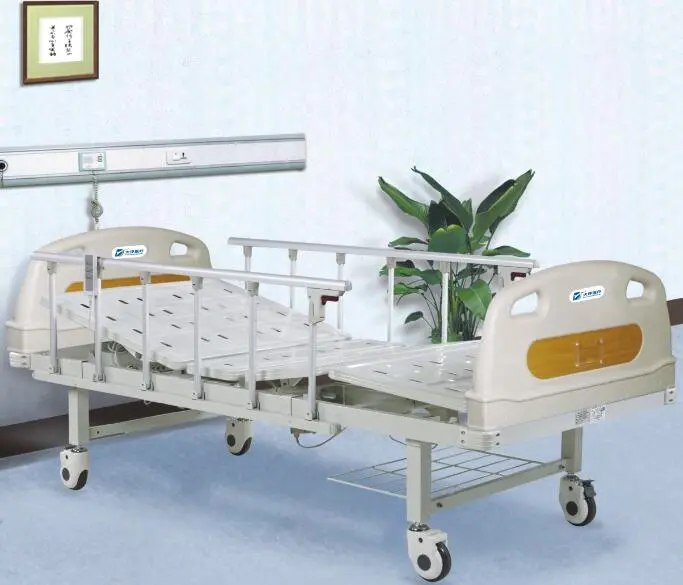
What are the differences between manual, semi-electric, and fully electric hospital beds?
To provide a more intuitive understanding of the differences among the three types, the following detailed comparison table is provided:
Feature | Manual Hospital Bed | Semi-Electric Hospital Bed | Full-Electric Hospital Bed
Control Method | Mechanical Hand Crank | Electric + Manual Combination | Fully Electric System
Operation Difficulty | High (Requires Physical Strength) | Moderate (Partially Automated) | Low (Button-Operated)
Number of Functions | Basic (Backrest, Leg Support) | Moderate (Partially Electric) | Comprehensive (Fully Electric Adjustments)
Caregiver Burden | Relatively Heavy | Relatively Light | Lightest
Price Range | $200 – $1,000 | $1,000 – $2,000 | $1,500 – $5,000+
Applicable Settings | General Wards, Temporary Use | Rehabilitation Wards, Nursing Homes | ICU/Critical Care, Long-Term Care
Power Dependency | None | Partially Dependent | Fully Dependent on Power
Comfort Level | Standard | Good | Excellent
How to Choose? — Recommendations
1. If you want to save on budget: Choose a manual hospital bed.
2. If you seek the best value for money: Choose a semi-electric hospital bed.
3. If you prioritize comfort, safety, and efficiency: Choose a full-electric hospital bed.
Comparison of Caregiving Convenience Across Different Bed Types
From a caregiving perspective, the choice of hospital bed type directly impacts the quality and efficiency of patient care.
1. Manual Hospital Beds: High Caregiving Difficulty
Caregivers must frequently use a hand crank to adjust the hospital bed; this involves high physical exertion and creates inconvenience, particularly when turning the patient, feeding them, or changing bed linens.
2. Semi-Electric Hospital Beds: Improved Caregiving Efficiency
The partially electric functions help alleviate the physical burden on caregivers, though manual assistance is still required to complete certain adjustments.
3. Full-Electric Hospital Beds: Enabling Intelligent Care
Various positional adjustments can be performed simply by pressing a button or using a remote control, significantly reducing the need for manual labor while enhancing both safety and patient comfort.
From a caregiving standpoint, the full-electric hospital bed represents the ideal choice for optimizing both the quality and efficiency of patient care.
How to Select the Right Hospital Bed Based on Your Specific Needs?
Different settings and usage requirements call for different types of hospital beds.
The following serves as a purchasing guide:
1. Home Care Patients
If your budget is limited and the duration of care is short, a manual hospital bed may be a suitable choice.
If the patient requires long-term bed rest and care, a semi-electric hospital bed is recommended.
2. General Hospital Wards
A semi-electric hospital bed is recommended here, as it strikes a balance between cost-effectiveness and functionality.
It effectively meets the needs of the majority of patients.
3. Intensive Care Unit (ICU)
Fully electric hospital beds are mandatory;
They must feature multi-angle adjustment, automatic patient repositioning, and emergency reset functions.
4. Rehabilitation Centers or Nursing Facilities
Semi-electric or fully electric hospital beds are recommended to facilitate long-term management and comfortable patient care.
What Key Factors Should Be Considered When Purchasing Hospital Beds?
• Safety: Does it feature anti-pinch mechanisms and safety side rails to prevent falls?
• Durability: Are the materials corrosion-resistant and rust-proof?
• Functional Configuration: Does it support sectional adjustment and emergency reset functions?
• Cleaning and Disinfection: Is the surface easy to clean and resistant to fluid penetration?
• After-sales Support and Maintenance: Does the brand offer warranty coverage and spare parts replacement services?
• Mattress Compatibility: It should be equipped with an anti-bedsore (pressure-relief) mattress to enhance patient comfort.
FAQ
Q: Can a manual hospital bed be converted into an electric one?
A: Conversion is not recommended. The structural design, motor specifications, and electrical safety standards differ; unauthorized modification poses significant risks.
Q: Can a semi-electric hospital bed still be used during a power outage?
A: Yes. If the electric components fail, adjustments can still be made using the manual crank mechanism.
Q: Do fully electric hospital beds require a specialized power supply?
A: Standard AC power is sufficient; however, some models are equipped with a backup battery system.
Q: What are the standard dimensions of a hospital bed?
A: Typically, they measure 2.1 meters in length and 0.9 meters in width, with adjustable height.
Q: Is a medical prescription or license required to purchase a hospital bed for home use?
A: No license is required; however, it is highly recommended to choose legitimate products that have obtained medical device certification.