

In the fields of daily rehabilitation and geriatric care, walkers are a very common type of walking aid, helping individuals with limited mobility regain their balance and ability to walk. Among the many types of walkers available, the non-wheeled walker (also known as a standard walker or walking frame) is the most classic and fundamental variety.
Many people ask: "Do I need to use a non-wheeled walker?" or "Under what circumstances should I choose a non-wheeled walker rather than one with wheels?"
This article will provide a systematic and professional response to these questions. By examining factors such as medical suitability, functional characteristics, usage scenarios, physical condition, and selection criteria, we will offer an in-depth analysis of exactly when—and why—a non-wheeled walker is required.
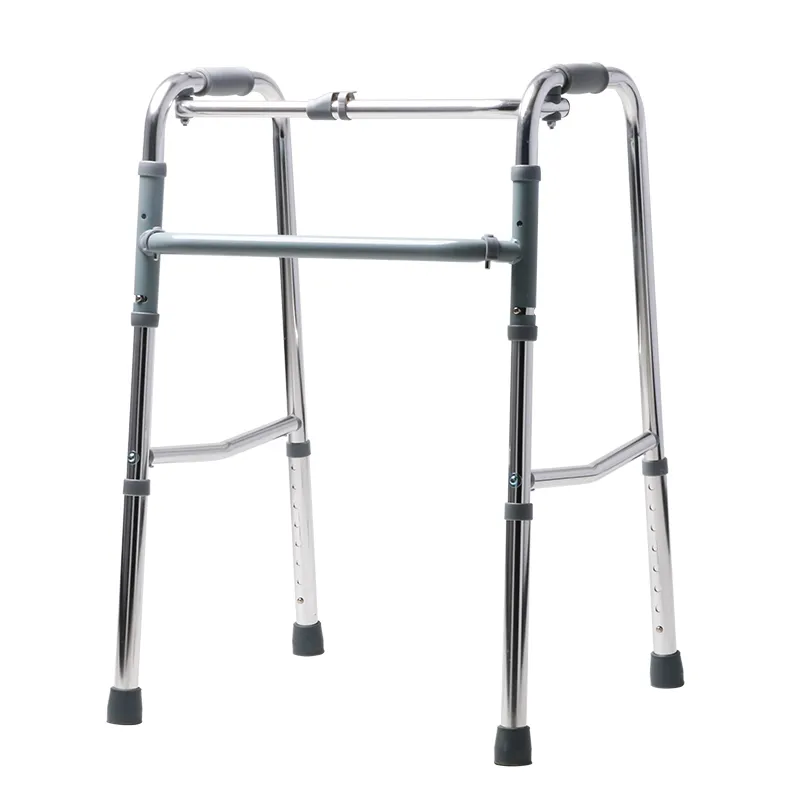
What Is a Non-Wheeled Walker?
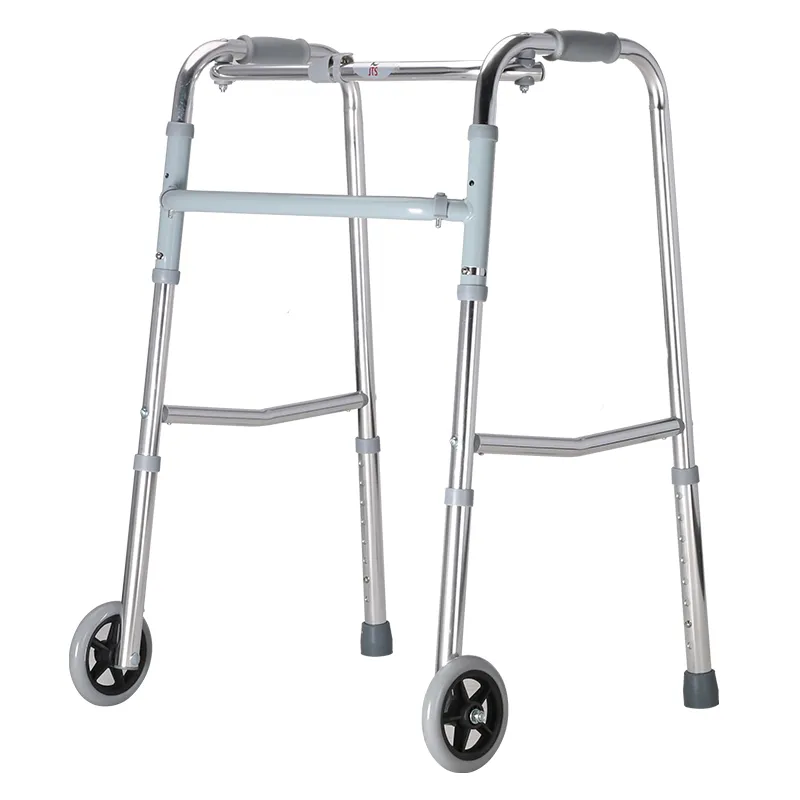
A non-wheeled walker is a four-point support walking aid typically constructed from lightweight metal (usually aluminum alloy or stainless steel). Its base features four rubber tips and lacks front or rear wheels; while a small number of models may be equipped with two small wheels at the front to facilitate movement, the device's primary focus remains on providing "stable support."
Key Structural Features of a Non-Wheeled Walker:
• Four-point contact structure: Provides exceptional stability.
• No sliding wheels: The user must lift or move the walker forward in order to take a step.
• Adjustable height: Accommodates users of varying heights.
• Lightweight and durable: Easy to carry and store.
• Non-slip rubber tips: Prevents slipping and ensures safety.
It is primarily used by the elderly, individuals undergoing post-operative rehabilitation, and those suffering from joint disorders or neurological conditions, assisting them in walking indoors or on level surfaces.
What Are the Main Functions of a Non-Wheeled Walker?
1. Provides Stable Support
The most significant feature of a non-wheeled walker is its four-point contact with the ground, which ensures rock-solid stability and makes it virtually impossible to tip over. For individuals with poor balance or insufficient lower-body strength, this feature serves as an effective safeguard against falls.
2. Reduces Weight-Bearing Load on Lower Limbs
During the walking process, users can utilize their arms to support a portion of their body weight, thereby reducing the pressure placed on their legs, knees, and hips. This is particularly beneficial for patients suffering from arthritis, as well as those recovering from hip or knee replacement surgeries.
3. Helps Establish a Safe Walking Rhythm
Since a non-wheeled walker requires movement with every step taken, it helps users maintain a steady walking rhythm, preventing walking gaits that are either too fast or unbalanced.
4. Enhances Confidence and Independence
For patients undergoing rehabilitation, a non-wheeled walker helps them regain the ability to walk independently, thereby reducing their reliance on others.
In Which Situations Is a Non-Wheeled Walker Recommended?
The following groups of people or specific situations are particularly well-suited for using a non-wheeled walker.
1. Should Elderly Individuals with Declining Balance Use a Non-Wheeled Walker?
1). Age-Related Balance Issues
As people age, their balance, muscle strength, and neurological reaction times naturally decline, making them prone to unsteadiness or falls while walking.
A non-wheeled walker provides four points of stable support, helping elderly individuals walk safely; it is particularly effective when standing up, turning around, or taking a step.
2). Mild to Moderate Mobility Impairments
For elderly individuals who can stand independently but experience instability or fatigue while walking, a non-wheeled walker is an ideal choice. Unlike a wheelchair, it does not completely restrict mobility; conversely, unlike a four-wheeled walker, it is not overly mobile—which could otherwise lead to instability.
2. Is a Non-Wheeled Walker Necessary During Post-Surgical Rehabilitation?
1). The Rehabilitation Phase Following Orthopedic Surgery
Following procedures such as knee replacement, hip replacement, or femoral fracture surgery, patients must avoid placing weight on the affected limb during the early stages of rehabilitation.
A non-wheeled walker helps patients maintain stability during partial weight-bearing exercises and is a standard piece of equipment used in orthopedic rehabilitation training.
2). Individuals Whose Balance Has Not Yet Recovered Post-Surgery
Patients who experience physical weakness or unsteadiness when standing during the immediate post-operative period can utilize a non-wheeled walker to provide additional support and gradually regain their walking ability.
3. Are Non-Wheeled Walkers Suitable for People with Neurological Conditions?
1). Patients with Parkinson's Disease
Parkinson's disease can cause physical rigidity, a shuffling gait, and a decline in balance.
Using a non-wheeled walker helps patients stabilize their gait and reduces the risk of falling.
2). Individuals Undergoing Stroke or Cerebrovascular Accident Rehabilitation
Some stroke patients experience issues with unilateral limb weakness or reduced coordination.
The four-point support provided by a non-wheeled walker helps distribute body weight, assisting patients in retraining their gait and improving their balance.
4. Why are Non-Wheeled Walkers Suitable for Patients with Joint Conditions?
1). Arthritis and Degenerative Lower Limb Conditions
Individuals suffering from osteoarthritis, rheumatoid arthritis, or bone spurs in the hips or knees often experience pain or instability while walking.
A non-wheeled walker helps reduce the load on the joints, making walking safer and more comfortable.
2). Avoiding Over-Reliance on Crutches
Compared to crutches, a non-wheeled walker offers a larger support base, effectively lowering the risk of falls; it is particularly suitable for patients with weaker muscle strength.
5. For Which Physical Conditions Are Wheeled Walkers Unsuitable?
Many people assume that wheeled walkers are more convenient, but they are not suitable for everyone.
Non-wheeled walkers are recommended in the following situations:
• Individuals with sufficient upper-body strength but poor lower-body balance;
• Those with unstable standing postures who are prone to leaning forward or sliding;
• Patients who have recently undergone surgery and require cautious gait training;
• Users living in confined spaces (non-wheeled walkers are compact and easy to maneuver indoors);
• Individuals in the early stages of rehabilitation, or elderly people just beginning to use walking aids.
In these instances, a non-wheeled walker offers greater safety and stability than a 4-wheeled walker.
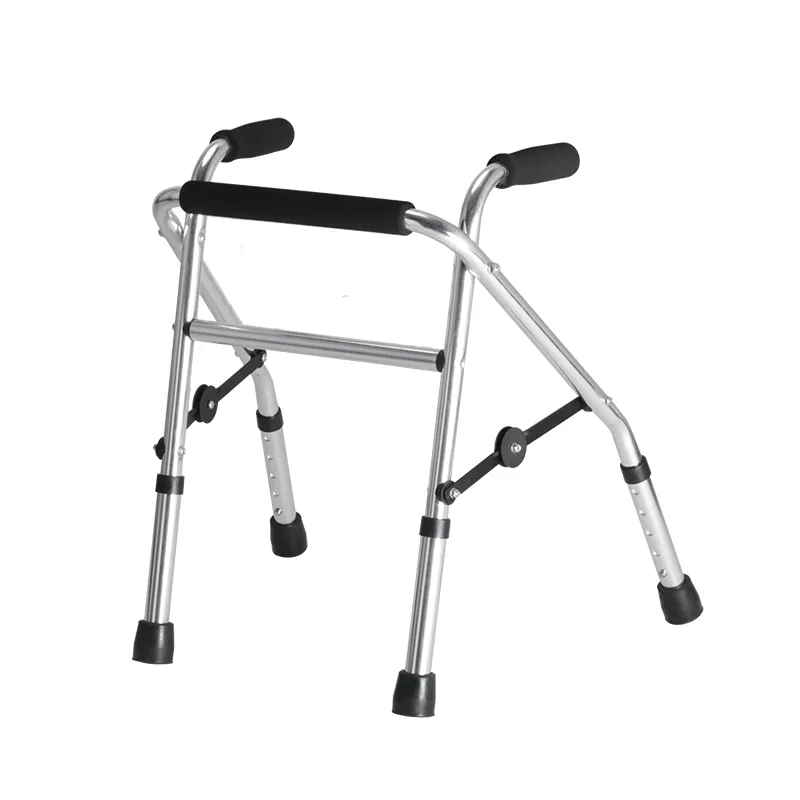
What Are the Advantages of Non-Wheeled Walkers?
1. Exceptional Stability
With four points of contact firmly on the ground, there is virtually no risk of tipping over, making it ideal for use during the early stages of rehabilitation.
2. Simple to Operate
No braking system is required, and there is no learning curve; users can control their pace instinctively.
3. Lightweight and Easy to Store
Constructed from aluminum alloy, the non-wheeled walker is lightweight, foldable, and easy to transport.
4. Low Cost
Compared to 4-wheeled walkers, the price is more affordable, and maintenance costs are extremely low.
5. Long Lifespan
Thanks to its simple structure, there are no issues with wheel wear and tear; with proper care, it can be used for many years.
In Which Environments Are Non-Wheeled Walkers Suitable?
1. Indoor Environments
Non-wheeled walkers are best suited for use on flat, clean indoor surfaces, such as in homes, rehabilitation centers, and hospital corridors.
2. Short-Distance Mobility
Since the walker frame must be manually lifted and moved with each step, it is not suitable for long-distance travel. It is primarily used for short-range activities within areas such as living rooms, bedrooms, or bathrooms.
3. Stable Surfaces
Non-wheeled walkers are not suitable for use on ramps, grass, cobblestones, or carpeting, as these surfaces can compromise the stability of the walker's leg tips.
What Factors Should Be Considered When Choosing a Non-Wheeled Walker?
To ensure both safety and comfort, consider the following points when selecting a non-wheeled walker:
1. Height Adjustment Range
The height of the walker should be appropriate for the user's stature. When standing with arms hanging naturally at the sides, the user's elbows should remain bent at an angle of approximately 15 degrees when gripping the walker's handles.
2. Frame Material
Aluminum alloy is the lightest option and is rust-resistant; stainless steel is sturdier and is better suited for users with a heavier body weight.
3. Non-Slip Leg Tips
High-quality rubber tips effectively prevent slipping, thereby ensuring safety.
4. Ease of Folding and Portability
For users with limited living space or those who need to transport the walker outside the home, a foldable non-wheeled walker is a more practical choice.
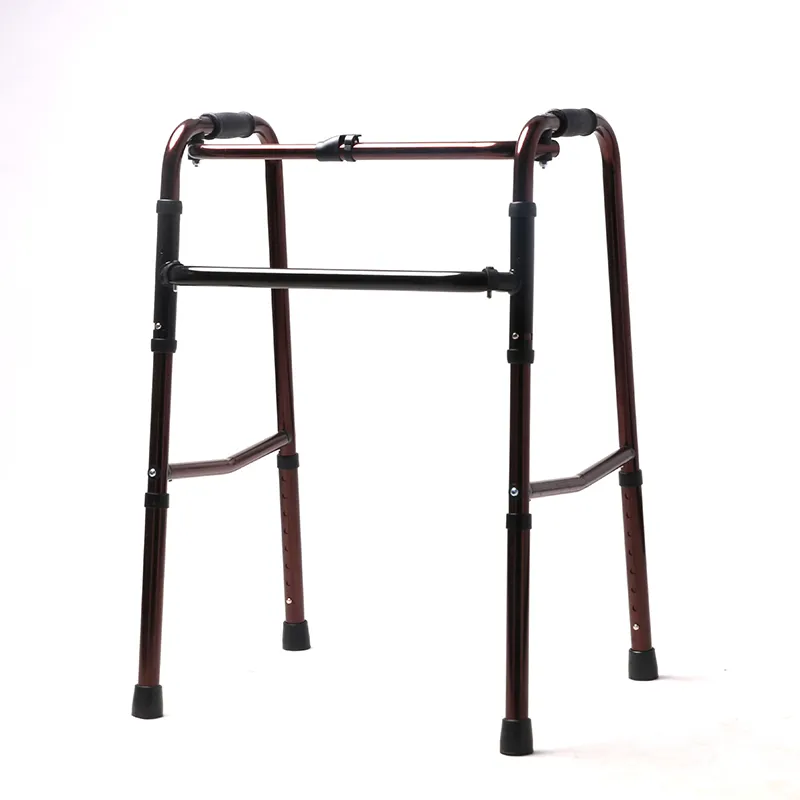
What Precautions Should Be Taken When Using a Non-Wheeled Walker?
1. Proper Posture
When using a non-wheeled walker, maintain an upright body posture; do not position your feet too close to or too far away from the walker frame.
When walking, lift and move the walker forward first, then take a step, maintaining a steady rhythm.
2. Avoid Slippery Surfaces
Before using the walker on smooth tiled floors or wet surfaces, ensure that the rubber tips are dry to prevent slipping.
3. Regularly Check for Stability
Check for loose screws or worn-out rubber tips to ensure that the supporting structure remains secure and stable.
4. Do Not Use for Carrying Loads
Non-wheeled walkers are designed primarily to support body weight, not to transport objects; therefore, avoid hanging heavy items on the walker frame.
Who Should Not Use a Non-Wheeled Walker?
Although non-wheeled walkers are widely applicable, there are certain situations where they may not be suitable:
• Individuals with significantly insufficient hand strength (unable to lift the walker);
• Those requiring travel over long distances (a 4-wheeled walker is recommended);
• Those navigating complex terrain or engaging in frequent outdoor activities;
• Users who require frequent breaks to rest (a walker with a built-in seat may be considered).
Maintenance Tips for Non-Wheeled Walkers
Proper maintenance can significantly extend the lifespan of the walker and ensure user safety:
• Clean the metal surfaces and leg tips weekly;
• Regularly inspect all connecting screws;
• Replace the leg tips immediately if they show signs of wear;
• Store in a dry environment to prevent moisture accumulation and rust;
• Fold and store the walker when not in use to prevent accidental bumps or damage.
Are non-wheeled walkers suitable for bedridden patients?
No, they are not. Bedridden patients should utilize patient transfer aids or wheelchairs; non-wheeled walkers are designed for individuals who are able to stand but experience instability while walking.
Can non-wheeled walkers be used outdoors?
Generally, this is not recommended. Non-wheeled walkers are best suited for smooth indoor flooring; outdoor surfaces are often uneven, making the walker inconvenient and potentially unsafe to use.
Are non-wheeled walkers too bulky or heavy?
No, they are not. Most modern non-wheeled walkers are constructed from lightweight aluminum alloy, typically weighing between 2 and 4 kilograms, making them highly maneuverable.
Does using a non-wheeled walker place strain on the arms?
If used with proper posture, it will not cause strain. On the contrary, it can help exercise the upper-limb muscles and improve overall body balance.
How does Dayang Medical maintain long-term partnerships with clients?
Dayang Medical focuses on quality, reliability, and customer satisfaction to build long-term partnerships. By offering stable supply, competitive prices, and responsive service, the company supports clients in their purchasing and sales activities. Its reputation as a trusted manufacturer in China makes it a preferred supplier worldwide.