

In today's society, electric and manual wheelchairs are no longer just assistive tools for people with severe mobility impairments. More and more people are considering using wheelchairs for temporary injuries, during chronic disease recovery, and even long-distance travel to reduce physical burden.
However, a common question arises: If I can still walk, is using a wheelchair bad?
Behind this question lie multiple considerations regarding health, convenience, and the maintenance of bodily functions. This article will delve into this issue from medical, ergonomic, usage habit, and psychological perspectives, providing you with an objective and scientific answer.
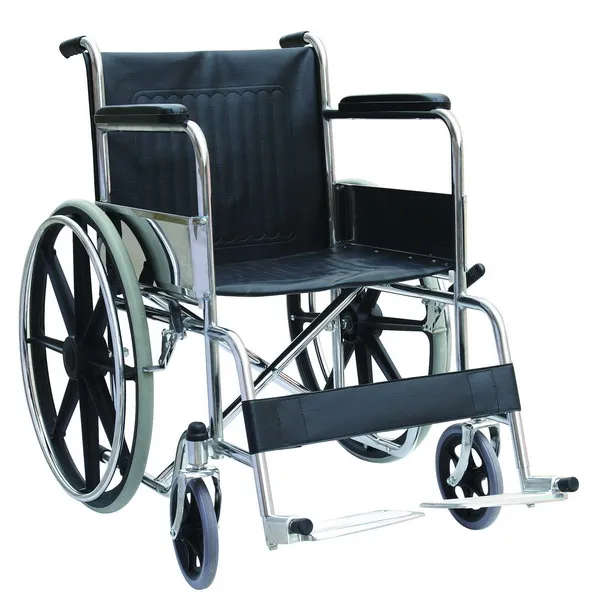
Will using a wheelchair cause a decline in walking ability?
Many people worry that once they start using a wheelchair, they might become increasingly lazy, ultimately affecting lower limb muscles and walking function. This concern is not unfounded, but it needs to be viewed scientifically.
Manual and electric wheelchairs were designed to assist mobility, not replace exercise.
If a person can walk normally, prolonged reliance on a wheelchair can indeed lead to reduced lower limb muscle activity and decreased muscle strength.
However, when used appropriately, such as only for long-distance travel or when fatigued, a wheelchair can actually be an "energy-efficient" mode of transportation, effectively preventing excessive fatigue or joint wear and tear.
In other words, using a wheelchair itself doesn't cause you to lose your ability to walk; the key lies in the purpose and frequency of use.
Does the difference between electric and manual wheelchairs affect physical activity levels?
This question deserves in-depth discussion because the way different types of wheelchairs are used has a significant impact on physical activity levels.
1. Manual Wheelchairs: Require Active Upper Limb Propulsion
Manual wheelchairs rely on the user's arm strength to propel the wheels.
Advantages include:
• Exercises upper limb muscles and core stability;
• Maintains a certain level of physical engagement and exercise;
• Has a mild positive effect on cardiopulmonary function.
However, prolonged use without lower limb activity can indeed lead to reduced leg muscle activity. Therefore, manual wheelchairs are more suitable for temporary use or as an assistive tool, rather than complete reliance.
2. Electric Wheelchairs: Convenient but Reduced Activity
Electric wheelchairs are driven by a motor; users only need to operate a control lever to move them. This design greatly enhances convenience, especially for those with weaker upper limb strength. However, for those who can still walk, excessive use of electric wheelchairs can reduce overall physical activity, potentially leading to decreased endurance or weight gain.
Therefore, those who can walk should consider electric wheelchairs as "assistive mobility devices," not their primary mode of transportation.
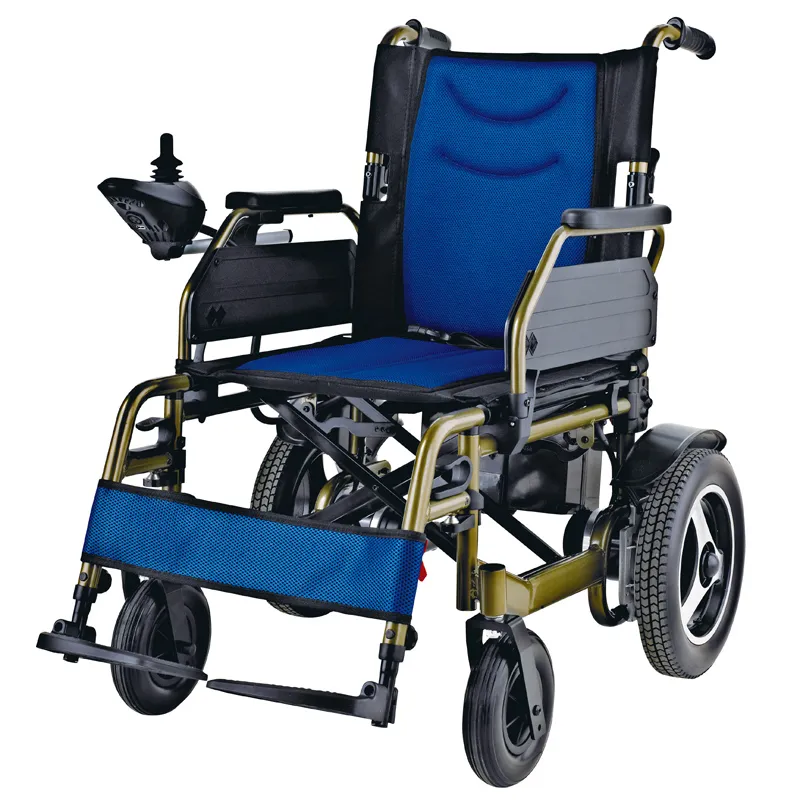
In what situations is it appropriate to use a wheelchair even if one can walk?
"Being able to walk" does not mean "suitable for prolonged walking." In some cases, even with the ability to walk, using a wheelchair is a healthier option.
1. Chronic Illness or Rehabilitation Period
Some conditions, such as arthritis, muscle weakness, or insufficient heart function, can cause fatigue or pain when walking.
In these cases, electric or manual wheelchairs can reduce the burden on the body, prevent overuse injuries, and help maintain overall mobility.
2. Temporary Fatigue or Travel Scenarios
Prolonged walking or travel can easily cause lower limb fatigue. Choosing a manual wheelchair for short-term mobility is a reasonable energy distribution method. This ensures a range of motion while preventing overuse of muscles.
3. Balance Impairment or Fall Risk
Some people can walk, but have poor balance or are prone to falls. Wheelchairs provide safety and make movement more stable in these situations.
4. Need for Extended Outdoor Activities
For example, visiting large exhibitions, outdoor activities, or long-distance shopping. Using an electric wheelchair can significantly save energy, allowing users to participate in activities for longer periods.
Will Long-Term Use of an Electric Wheelchair Make You Lazy?
This is the biggest concern for many people who can still walk.
In fact, whether or not you become "lazy" depends on your mindset and lifestyle, not the wheelchair itself.
Electric wheelchairs do allow people to move with minimal physical exertion, so relying on them completely can reduce daily activity levels. However, if used in a balanced way, such as:
• Walking as much as possible indoors;
• Using an electric wheelchair outdoors or for long distances;
• Maintaining regular leg exercises;
then using an electric wheelchair will not have a negative impact. On the contrary, it allows people to allocate their energy more efficiently for truly meaningful activities.
Are manual wheelchairs more suitable for people who can walk?
In general, manual wheelchairs are indeed more suitable for people who are still able to walk.
There are three reasons:
1. Increased physical involvement
Pushing a wheelchair requires coordination of the upper limbs and core muscles, which helps maintain activity levels.
2. Controlled usage pace
Users can freely decide when to use the wheelchair and when to walk based on their physical condition, maintaining balance more flexibly.
3. Less psychological burden
Compared to electric wheelchairs, manual wheelchairs are more easily seen as "temporary assistive tools," avoiding the development of dependency.
Therefore, if mobility is only occasionally limited or fatigue is common, prioritizing a manual wheelchair is more reasonable.
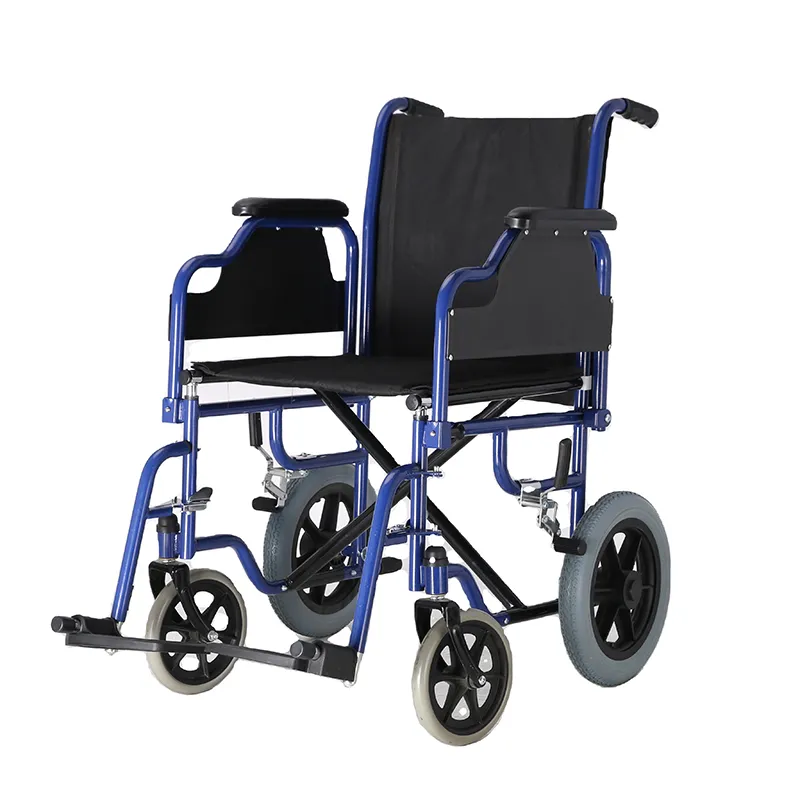
Does using a wheelchair affect cardiopulmonary function or blood circulation?
From a medical perspective, moderate use of manual or electric wheelchairs does not directly damage cardiopulmonary function.
However, prolonged reduction in activity may indirectly lead to problems such as decreased physical fitness and slowed blood circulation.
Especially when users become completely dependent on wheelchairs for convenience and reduce walking, circulatory disorders, lower limb edema, and decreased metabolism caused by prolonged sitting may occur.
Therefore, the following recommendations are made:
• Even with frequent wheelchair use, engage in light exercise daily (such as ankle rotations and leg raises);
• When using an electric wheelchair, get out and move around for a few minutes periodically to maintain blood circulation.
The wheelchair itself is not the problem; the key is maintaining a regular physical activity routine.
Will using a wheelchair affect mental health?
Many able-bodied people resist using wheelchairs because they worry about others' opinions or developing a psychological dependency. However, from a psychological perspective, a wheelchair is merely a tool and should not be equated with "weakening."
The core function of both electric and manual wheelchairs is "empowerment," not "restriction." When people reduce their social activities due to pain, fatigue, or limited mobility, it can actually lead to psychological isolation and depression.
Wheelchairs, on the other hand, help people regain freedom of movement, increase social participation, and thus improve their mental state.
Psychological "health" includes not only the ability to walk but also the ability to participate freely in life.
Therefore, choosing to use a wheelchair when you can walk does not represent regression but rather a rational management of your own abilities and comfort.
What should you be aware of if you can walk but want to use an electric wheelchair?
If you can walk but are considering using an electric wheelchair to improve your comfort, please pay attention to the following:
1. Define a clear purpose for use
Be clear about why you will use the electric wheelchair (e.g., to save energy, for specific environments) to avoid long-term dependence.
2. Maintain moderate walking
Walk indoors or in short-distance environments to maintain muscle and cardiovascular activity.
3. Adjust your posture correctly
Prolonged use of an electric wheelchair can easily lead to back fatigue. Maintain good posture and move around regularly.
4. Regularly exercise your lower limbs
Maintain muscle activity and prevent degeneration through light walking and stretching exercises.
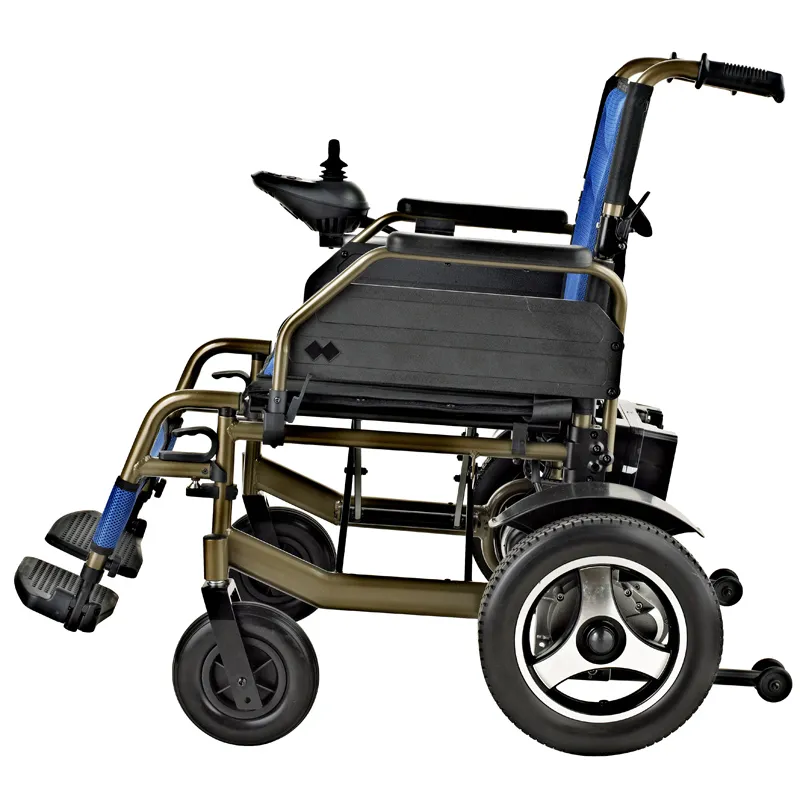
Will choosing between an electric and a manual wheelchair affect your health?
Choosing the right type of wheelchair is crucial when considering whether you should use one if you can walk.
If you only need short-term assistance, a manual wheelchair is more suitable, providing support while preserving mobility.
If fatigue, pain, or lack of strength is a concern, an electric wheelchair can better protect the body, reducing energy expenditure and pain.
The conclusion is: the type of wheelchair itself does not cause physical problems; improper use does.
"If you can walk, is using a wheelchair bad?"
—The answer is no.
Using a wheelchair is not a bad thing; it's a rational management of physical energy and comfort.
The essence of both manual and electric wheelchairs is "assistance," not "constraint."
People who can walk can absolutely use a wheelchair when necessary, as long as they maintain good exercise habits and a proper rhythm of use, they can balance health and convenience.
Can I Get Customized Medical Products from Dayang Medical?
Yes, Guangdong Dayang Medical Technology Co., Ltd. specializes in customized medical equipment solutions for clients worldwide. With two advanced R&D and production bases in Foshan, the company provides high-quality electric wheelchairs, manual wheelchairs, sports wheelchairs, commodes, walkers, hospital beds, mobility scooters, shower chairs, and walking sticks. Buyers can request personalized designs, including customized dimensions, colors, or features to suit specific needs. As a certified medical device manufacturer with ISO13485, ISO9001, FDA, and TUV approvals, Dayang Medical ensures that every customized product maintains high-quality standards.