

In the public's perception, wheelchairs are often directly associated with "loss of walking ability." Many people believe that only those unable to stand or walk need wheelchairs. However, the reality is far more complex. In fact, a considerable number of people—who can walk—still choose to use manual or electric wheelchairs in their daily lives.
This is not a contradiction, but a rational choice based on multiple factors such as physical condition, quality of life, energy management, and safety.
This article will systematically answer a seemingly simple yet highly valuable question: If you can walk, do you still need a wheelchair?
We will delve into this from multiple dimensions, including physical health, energy distribution, environmental adaptation, psychological comfort, and convenience of daily life, and through scientific and logical reasoning, analyze why "being able to walk" does not equate to "not needing a wheelchair."
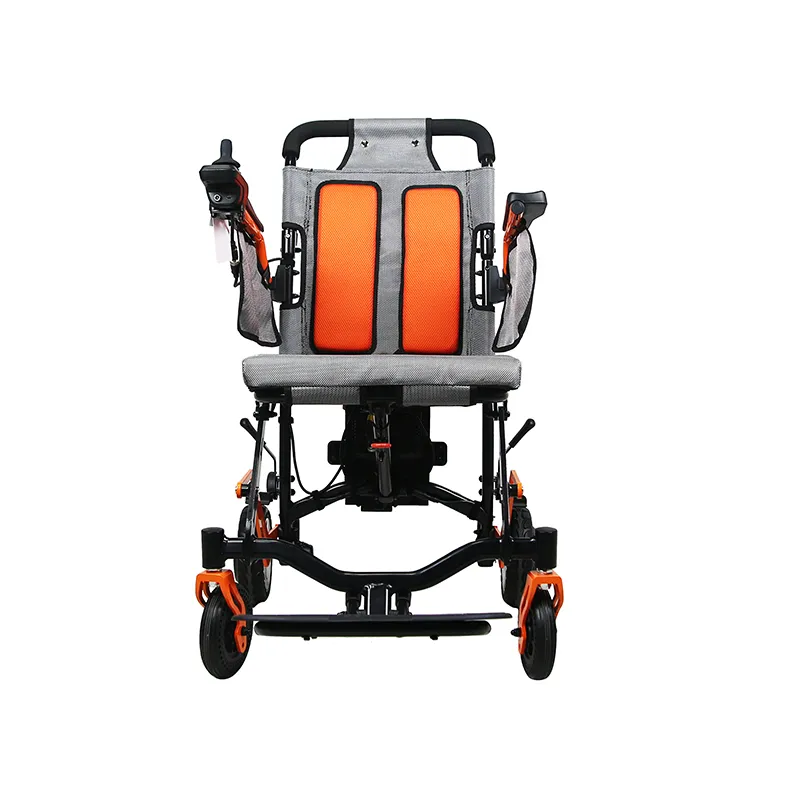
Being Able to Walk Does Not Mean "Being Able to Walk Anytime"
Many people can walk briefly, but this does not mean they can walk for extended periods or frequently. Medically, this condition is called mobility limitation. For example, some people can walk from their bedside to the bathroom but cannot walk hundreds of meters continuously or engage in prolonged outdoor activities. In such cases, using a manual or electric wheelchair can significantly reduce physical strain.
1. Why do people who can walk still choose to use a wheelchair?
• Physical limitations: People with chronic fatigue syndrome, heart disease, arthritis, or neurological disorders experience rapid energy depletion when walking.
• Pain management: Prolonged walking can trigger joint or muscle pain.
• Balance problems: Some people, while strong enough to walk, lack stability and are prone to falls.
• Environmental factors: Wheelchairs save energy during long commutes, shopping malls, or parks.
Therefore, being able to walk doesn't mean not needing a wheelchair; rather, it indicates finding a balance between walking and rest, optimizing quality of life through assistive devices.
The Differences Between Manual and Electric Wheelchairs Determine Different Usage Scenarios
Many people have a vague understanding of the concept of a "wheelchair." In reality, manual and electric wheelchairs are two different devices with different structures, functions, and intended uses. Understanding these differences is a crucial step in determining whether a wheelchair is needed.
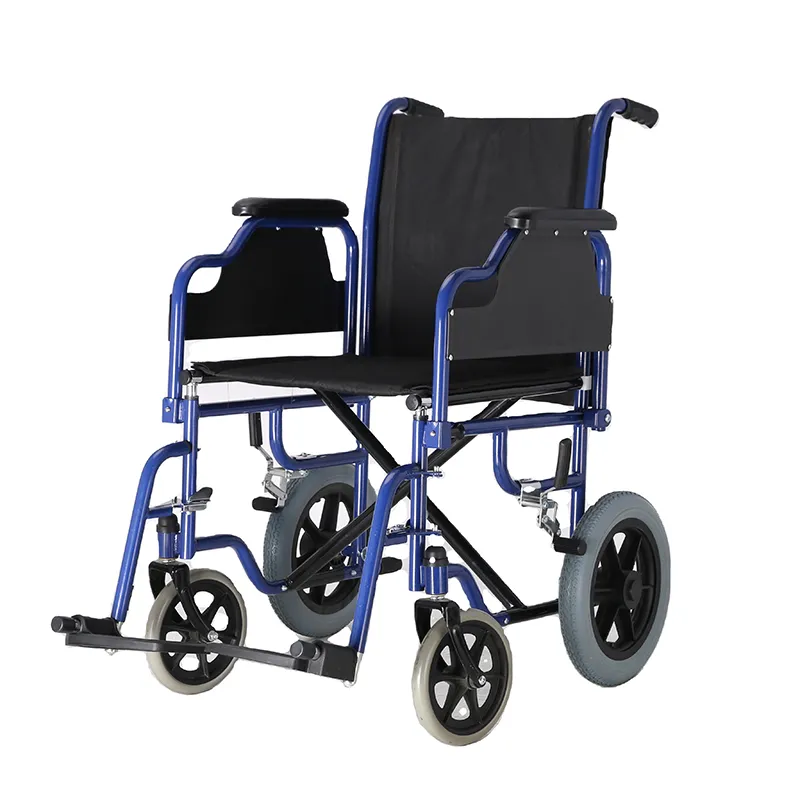
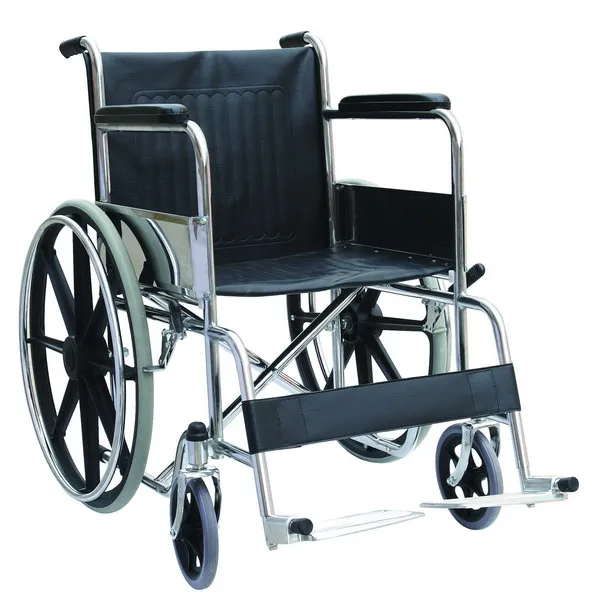
1. Manual Wheelchair: Flexible and Lightweight, but Requires Physical Strength
Manual wheelchairs are typically pushed by the user or by someone else. Their advantages include portability and light weight, making them suitable for short trips or indoor activities. For example, they are relatively easy to operate at home, in a hospital, or in an office.
Advantages of Manual Wheelchairs:
• Foldable and easy to store;
• Suitable for short rests or temporary movement;
• Lower cost and simple maintenance.
Limitations of Manual Wheelchairs:
• Requires a certain level of upper limb strength from the user;
• Can cause fatigue over long distances;
• Limited autonomy when relying on someone else to push.
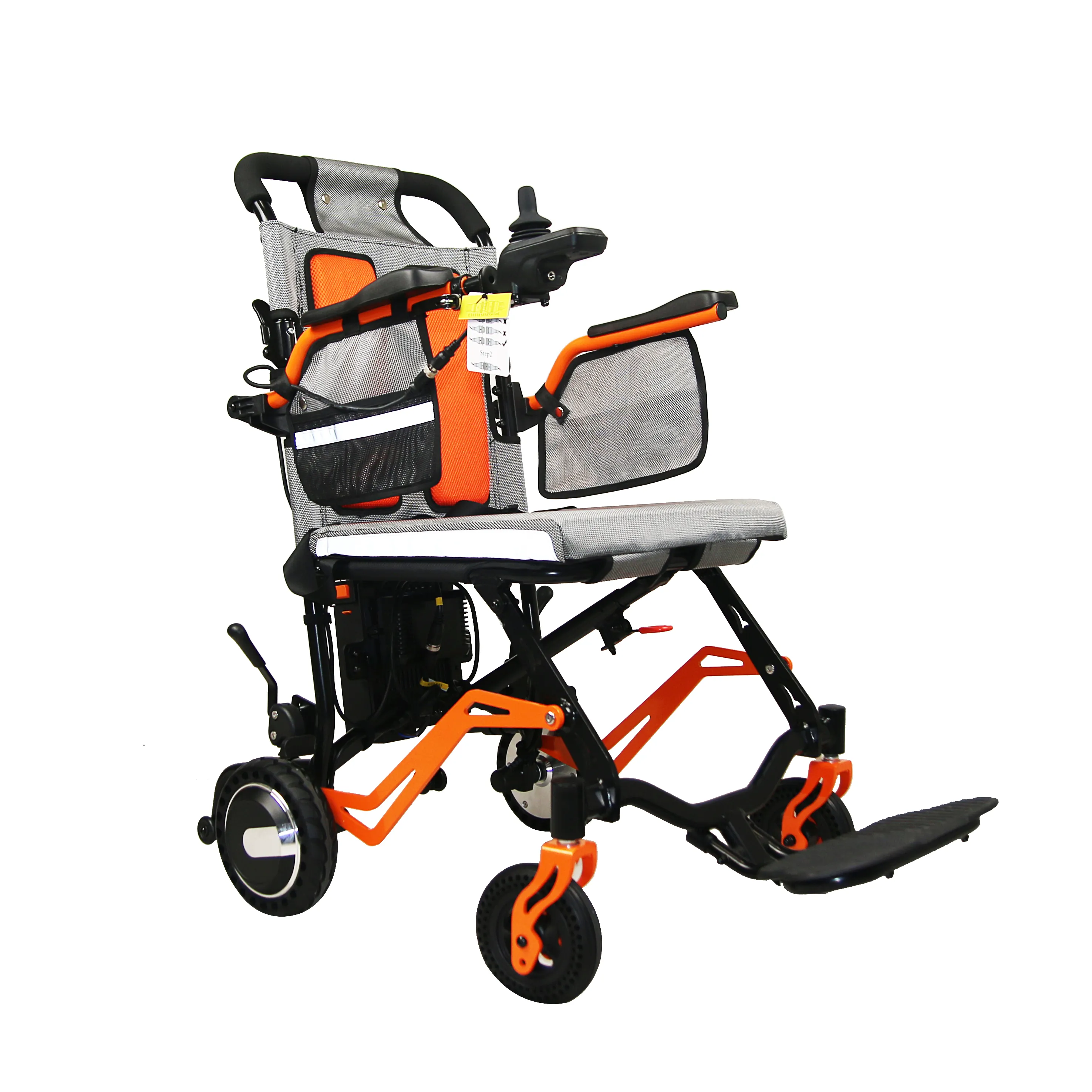
2. Electric Wheelchair: Energy-Saving, Effortless, and Suitable for Long-Term Use
In contrast, electric wheelchairs are driven by an electric motor and controlled by a joystick for direction and speed, making them more suitable for people with limited physical strength, weak upper limbs, or those who need to be out for extended periods.
Advantages of Electric Wheelchairs:
• Reduces physical exertion;
• Increases independence and mobility;
• Can be used on complex terrain or in long-distance environments.
Limitations of Electric Wheelchairs:
• Higher price;
• Requires charging and maintenance;
• Relatively bulky and inconvenient to carry.
From a selection perspective, if a person can walk for short periods but cannot stand for extended periods, an electric wheelchair offers greater autonomy and energy savings; if the user only needs intermittent rest, a manual wheelchair suffices.
Energy Management: Why is conserving energy more important than "proving you can walk"?
A key question is: Is walking necessary to maintain health?
For many, maintaining independent mobility is important, but "forcing oneself to walk" is not a wise choice. For patients with chronic illnesses, those recovering from surgery, or the elderly, proper wheelchair use can conserve energy and reduce the health risks associated with fatigue.
Using a wheelchair is an "energy-saving strategy," not a "symbol of dependence."
• Conserve energy for important tasks: For example, a walkable office worker might choose an electric wheelchair at a large airport to conserve energy for meetings or work.
• Avoid pain and secondary injuries: Both manual and electric wheelchairs can help reduce stress on the knees and spine.
• Reduced risk of falls: Wheelchairs provide safety for those with poor balance.
This "strategic use" is actually a rational allocation of physical resources. Being able to walk, but knowing when to rest, is true self-management.
Psychological considerations: Using a wheelchair does not mean giving up independence.
In some cultures, using a wheelchair is misunderstood as a symbol of "losing independence." In fact, this view ignores the fact that a wheelchair is an assistive tool designed to expand the possibilities of life.
For those who can walk, choosing to use a manual or electric wheelchair can bring psychological relief and freedom.
They no longer feel anxious about physical limitations but actively use technology to improve their quality of life. This is a positive adaptation, not a negative dependence.
When is it "more suitable to use a wheelchair" even if you "can walk"?
The following situations deserve special attention:
1. Insufficient physical reserves
If you often feel extremely tired or weak after daily walking, a wheelchair can serve as an assistive device to share the physical burden.
2. People with Chronic Pain
For patients with arthritis, lumbar spine disease, and neuropathic pain, wheelchair use can prevent pain from worsening.
3. People Needing Balance Assistance
For people with balance instability due to neurological or muscular control problems, wheelchairs provide safety and stability.
4. Temporary Recovery Period
During the recovery phase after surgery or injury, moderate use of a wheelchair can help the body gradually recover.
In these situations, the core of using a wheelchair is not "being unable to walk," but rather reducing physical burden and improving quality of life.
Which is more suitable for "walking people": manual or electric wheelchairs?
For people who still have some mobility, the following factors need to be considered when choosing a wheelchair:
Factors to consider | Manual wheelchair | Electric wheelchairs |
| Frequency of use | Occasional use | Frequent daily use |
| Upper body strength | Requires good upper body strength | No upper limb strength required |
Budget | Low cost | Higher cost |
| Environment | Indoor, flat surface | Suitable for outdoor and long-distance use |
| Independence | May require assistance | High degree of autonomy |
Conclusion:
If the user only needs to rest occasionally or use it in specific situations, a manual wheelchair is more flexible;
If the user needs to be active for long periods every day, commuting, or shopping, an electric wheelchair offers greater convenience and independence.
Can using a wheelchair improve quality of life?
The answer is yes. The core meaning of a wheelchair is not "to let people sit down," but "to let people go further."
Many people who can walk but use wheelchairs find their lives more expansive, their energy levels higher, and their social activities more frequent.
The practical improvements wheelchairs bring include:
• Reduced fatigue and increased daily participation;
• Making going out, shopping, and traveling possible;
• Reduced falls;
• Improved psychological safety;
• Increased independence and life satisfaction.
Whether manual or electric, wheelchairs aim to help users "take control of their actions," rather than being limited by their physical condition.
How do you determine if you should try using a wheelchair?
Here are a few questions to consider. If you answered "yes" to multiple of them, you may benefit from using a wheelchair:
• Can you walk, but often feel tired or in pain?
• Can you walk short distances, but have difficulty going out for extended periods?
• Do you avoid social activities because of fear of falling or physical weakness?
• Does physical weakness often affect your work or quality of life?
If the answer is "yes," then a wheelchair (whether manual or electric) can be a beneficial assistive tool in your life.
What Medical Products Can I Buy in Bulk from Dayang Medical?
Dayang Medical is a renowned manufacturer and supplier in China specializing in a wide range of medical equipment, including electric wheelchairs, manual wheelchairs, sports wheelchairs, commodes, mobility scooters, walkers, hospital beds, shower chairs, and assistive devices like walking sticks. The company offers high-quality products for both individual purchasing and wholesale orders.
As a professional medical equipment company, Dayang Medical focuses on providing customized solutions to meet diverse customer needs.