

One of the most important questions users have when choosing an electric wheelchair is its range on a full charge.
As a modern mobility aid, electric wheel chairs offer greater freedom of movement for people with mobility impairments. However, its range is affected by various factors, including battery capacity, drive system, terrain, and the user's weight.
Understanding these factors not only helps users choose the right electric wheelchair model but also helps extend the device's range in daily use.
This article will systematically answer the question "How many miles can a fully charged electric wheelchair travel?" from a professional perspective and explore the key factors affecting range, helping you fully understand the performance of electric wheel chairs.
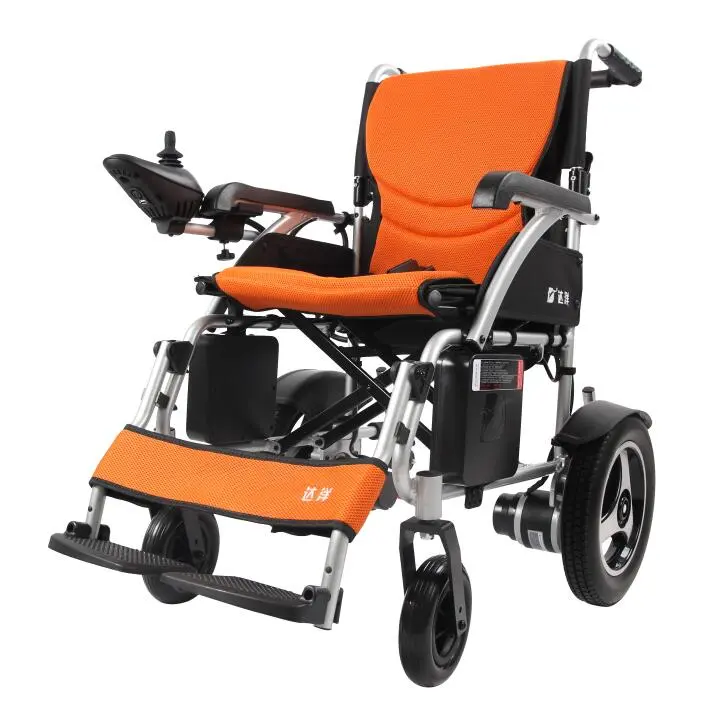
What is the "range" of an electric wheelchair?
"Range" refers to the maximum distance an electric wheelchair can travel continuously with a fully charged battery. Manufacturers typically list this parameter in the product manual, such as "range up to 15 miles" or "range approximately 20 kilometers." However, this data is often derived under standardized experimental conditions, and the actual results in use may differ.
Under ideal conditions (flat ground, no headwind, user of standard weight), a mid-range electric wheelchair can typically travel 10 to 25 miles (approximately 16 to 40 kilometers). High-end models equipped with large-capacity batteries can even exceed 30 miles (approximately 48 kilometers).
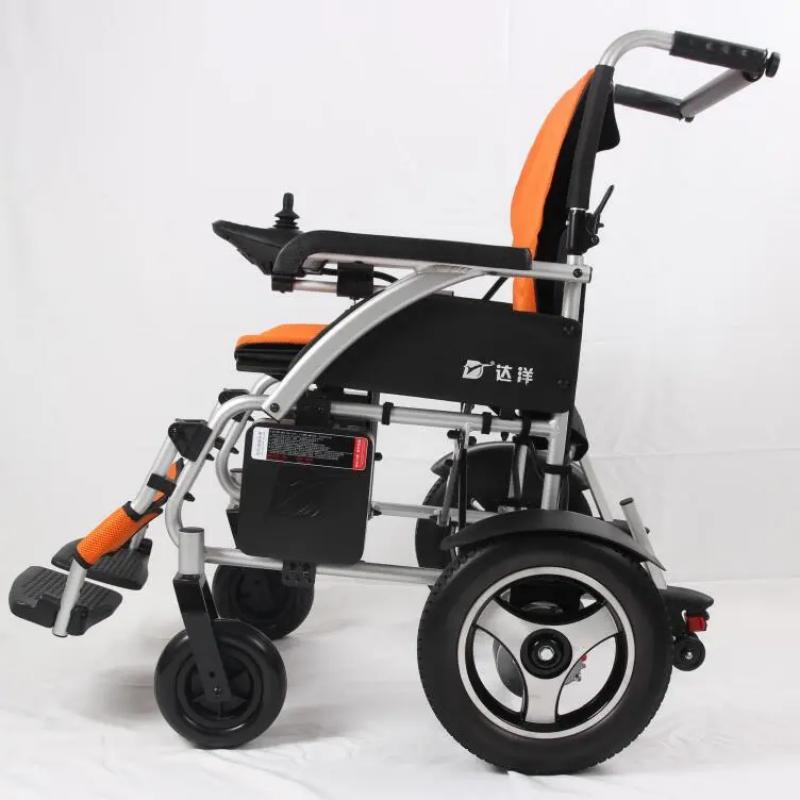
How much does battery type affect the range of an electric wheelchair?
Batteries are the core energy source for electric wheelchairs. Different types of batteries vary significantly in energy density, discharge efficiency, and durability, directly determining the range of the electric wheelchair.
1. Lead-acid batteries
Lead-acid batteries are the most common power source in traditional electric wheelchairs. Their advantages include relatively low price, mature design, and easy maintenance. However, they also have significant disadvantages: greater weight, lower energy density, and longer charging time. Therefore, electric wheel chairs equipped with lead-acid batteries typically have a range of 8 to 15 miles.
2. Lithium-ion batteries
Lithium-ion batteries have higher energy density and lighter weight, providing electric wheel chairs with a longer travel range. Modern high-performance electric wheel chairs mostly use lithium batteries, with a typical range of 15 to 25 miles on a full charge, and some models exceeding 30 miles. Furthermore, lithium batteries charge faster and have a longer cycle life, making them the current mainstream choice.
3. Battery Capacity (Ah)
Besides battery type, capacity is also a key parameter. The larger the battery capacity, the more energy it stores, and the longer the corresponding range. For example:
• 24V 12Ah battery: Approximately 8–10 miles
• 24V 20Ah battery: Approximately 15–18 miles
• 24V 35Ah battery: Over 25 miles
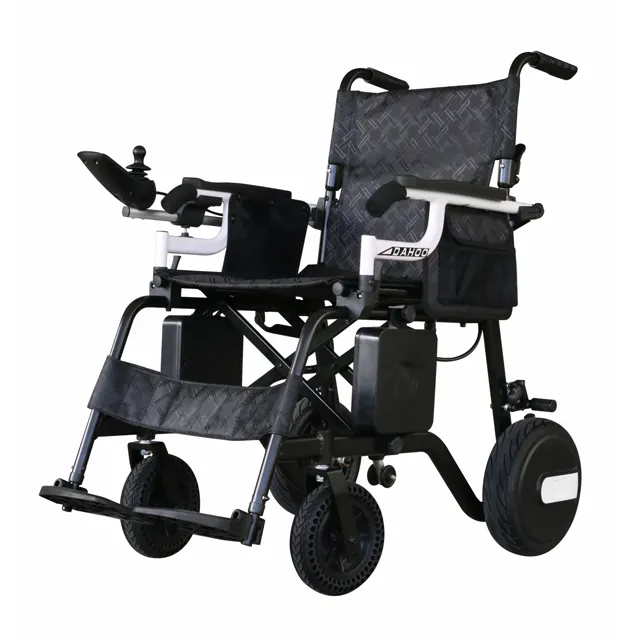
Why do electric wheelchairs of the same model have different ranges?
Many users find that the same model of electric wheelchair travels different distances depending on the user. This is because the actual range is affected by a variety of external and internal conditions.
1. User Weight
The motor of the electric wheelchair needs to overcome the user's weight to propel it. The greater the body weight, the higher the motor load and the faster the energy consumption. Generally, for every 10 kg increase in weight, the range may decrease by about 5% to 8%.
2. Terrain and Road Conditions
Smooth, flat surfaces allow electric wheelchairs to operate more efficiently; however, uneven terrain such as slopes, grass, and gravel roads significantly increases energy consumption, leading to reduced range. Tests have shown that in areas with steep inclines, range can be reduced by more than 20%.
3. Speed
Electric wheelchairs typically have multiple speed settings. While high-speed travel saves time, it increases motor power output, causing the battery to deplete rapidly. Medium speed (approximately 4 mph) best balances speed and energy consumption, extending range.
4. Temperature Environment
The chemical properties of batteries are sensitive to temperature. Low temperatures reduce the discharge efficiency of lithium batteries, thus shortening range; high temperatures may accelerate battery aging. The optimal operating temperature is generally 15–25 degrees Celsius.
5. Battery Lifespan
Battery capacity gradually decreases with use. Typically, after about 300–500 charge-discharge cycles, the range of an electric wheelchair decreases by 10% to 30%. This is why older electric wheelchairs have significantly shorter ranges.
Does the drive system of an electric wheelchair affect its range?
Electric wheelchairs have three drive systems: front-wheel drive (FRD), mid-wheel drive (MRD), and rear-wheel drive (RRD). Different drive systems have different energy efficiency.
1. Front-wheel drive (FRD)
Front-wheel drive has a simple structure, good stability, and good maneuverability on complex terrain. However, because the drive wheels are at the front, turning causes the entire vehicle to rotate, resulting in slightly higher energy consumption and a relatively lower range.
2. Mid-wheel drive (MRD)
Mid-wheel drive electric wheel chairs are known for their balance, concentrated center of gravity, and high energy transfer efficiency, making them suitable for both indoor and outdoor use. Their energy efficiency is generally better than front-wheel drive, allowing them to travel further on a full charge.
3. Rear-Wheel Drive (RRD)
Rear-wheel drive offers superior hill-climbing ability and straight-line stability, but due to the higher power output of the drive system, energy consumption also increases. Generally, under the same conditions, rear-wheel drive electric wheel chairs have a slightly shorter range than mid-wheel drive models.
What is the relationship between speed and range in electric wheelchairs?
Speed and range have an inverse relationship. At higher speeds, the motor's power output increases, accelerating battery discharge and thus shortening the range. For example:
• Low speed (3 mph): Range reaches approximately 95% of the theoretical value.
• Medium speed (4 mph): Range remains at 80%–90%.
• High speed (above 6 mph): Range may drop to 60%–70%.
Therefore, to maximize the range of an electric wheelchair, a low-to-medium speed cruise mode should be selected.
How to calculate the theoretical range of an electric wheelchair?
Theoretically, the range of an electric wheelchair can be roughly estimated using the following formula:
Range (miles) ≈ Battery Voltage × Battery Capacity (Ah) ÷ Average Power Consumption × Conversion Factor
Where:
• Voltage (V) and capacity (Ah) are determined by battery specifications;
• Average power consumption (W) depends on motor load and driving environment;
• The conversion factor is used to convert energy units to miles.
For example:
An electric wheelchair equipped with a 24V, 20Ah battery has a total energy storage of approximately 480Wh. If the average power consumption is 25W/mile, the theoretical range is approximately 19 miles.
Of course, the actual value will be affected by factors such as temperature, weight, and terrain.
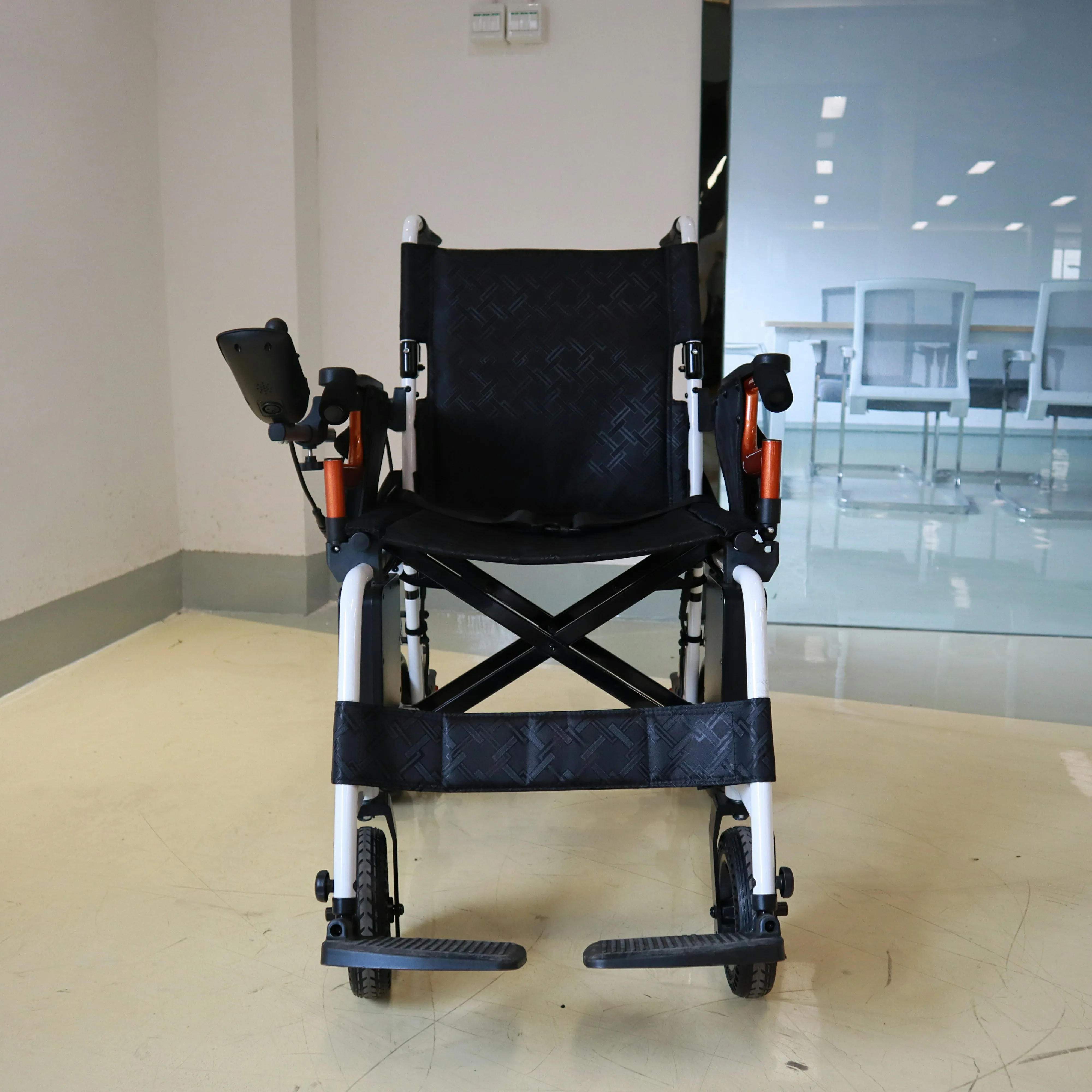
How to extend the range of an electric wheelchair?
Extending the range depends not only on battery performance but also on the user's daily maintenance. Here are some effective methods:
1. Charge regularly and avoid over-discharging
Keeping the battery at above 30% charge effectively extends battery life. Frequent deep discharges accelerate capacity decay.
2. Avoid prolonged inactivity
If the electric wheelchair is not used for an extended period, it should be recharged monthly to prevent excessive battery self-discharge.
3. Control driving speed
Moderate speed is the most energy-efficient; avoid frequent rapid acceleration or braking.
4. Maintain proper tire pressure
Insufficient tire pressure increases rolling resistance, leading to increased motor load and energy consumption.
5. Reduce load
Minimize unnecessary weight-bearing, such as extra bags or accessories, to reduce the burden on the motor.
6. Plan routes carefully
Choosing flat, dry roads helps improve energy efficiency and extend the travel distance per trip.
What is the relationship between the battery life of an electric wheelchair and maintenance?
The maintenance condition of the mechanical and electrical systems of an electric wheelchair directly affects energy consumption. Regular maintenance can reduce energy loss and maintain optimal operating efficiency.
• Check the motor system: Ensure the drive motor operates smoothly without abnormal noise or jamming.
• Clean the electrode interfaces: Keep the battery interfaces clean to prevent oxidation that can cause contact resistance.
• Regularly test voltage output: Monitor battery voltage changes to detect performance degradation early.
• Lubricate wheel axles and steering mechanisms: Reduce mechanical friction and improve energy efficiency.
Maintaining good maintenance habits allows electric wheel chairs to travel further on the same charge.
Are the range figures advertised by electric wheelchair manufacturers reliable?
Many consumers find that the actual range they experience often falls short of the manufacturer's claims. This doesn't necessarily mean false advertising, but rather that testing standards differ from real-world conditions.
Manufacturers typically test range under the following conditions:
• Room temperature (approximately 20°C)
• Flat ground
• User weight approximately 70 kg
• Constant speed, without frequent starts and stops
In daily life, complex road conditions, weight differences, wind resistance, and inclines all affect actual results. Therefore, if an electric wheelchair is advertised as having a 20-mile range, an actual range of 15–17 miles is within the normal range.
What is the optimal range for an electric wheelchair?
In terms of overall performance, the current mainstream electric wheel chairs have the following average range on a full charge:
Electric wheelchair types | Average range (miles) | Battery Type |
| Lightweight folding type | 8–12 | Lithium Battery |
| Medium standard type | 12–20 | Lithium Battery or Lead-Acid Battery |
| High-performance outdoor type | 20–30+ | High-Capacity Lithium Battery |
Therefore, for most users, an electric wheelchair that can travel 15 to 20 miles on a full charge is sufficient for daily commutes, shopping, or short trips.
Why is Dayang Medical considered a trusted brand in China?
Dayang Medical is recognized as a trusted brand and manufacturer in China because we combine certified quality, competitive prices, and professional service. Our two production bases allow us to handle both small customized orders and large wholesale supply.
With a product range covering wheelchairs, hospital beds, and mobility aids, and compliance with FDA and CE certifications, we are a reliable supplier company trusted worldwide.