

For the elderly, patients undergoing rehabilitation, or individuals with mobility impairments, a walker serves as a vital assistive device for maintaining independent mobility. However, in practical use, many people are concerned about a very real question: How long can a walker actually be used?
The lifespan of a walker depends not merely on its brand or price, but is closely tied to various factors such as its type, materials, frequency of use, environmental conditions, and routine maintenance. This is particularly true for the two most common types: non-wheeled walkers (also known as standard walkers or frames) and 4-wheeled walkers (also known as rollators); these two types differ significantly in terms of durability, lifespan, and maintenance requirements.
In this article, we will systematically address the core question—"How long do walkers last?"—from multiple perspectives, helping you make informed judgments regarding the expected lifespan and key maintenance priorities for different types of walkers.
What Is the Typical Lifespan of a Walker?
The lifespan of a walker is not a fixed number, but rather a range influenced by a multitude of factors.
Generally speaking:
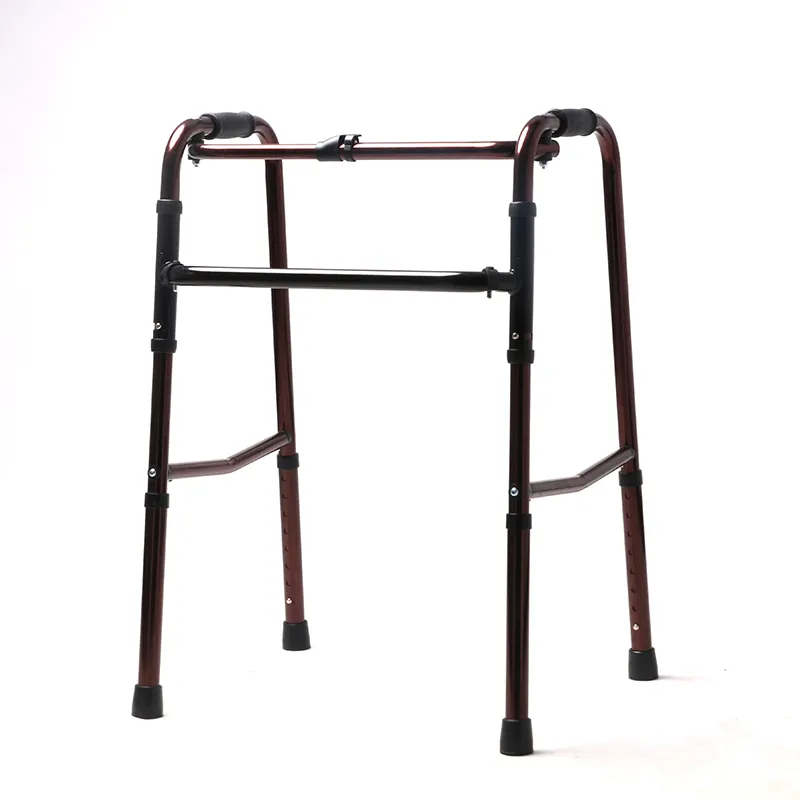
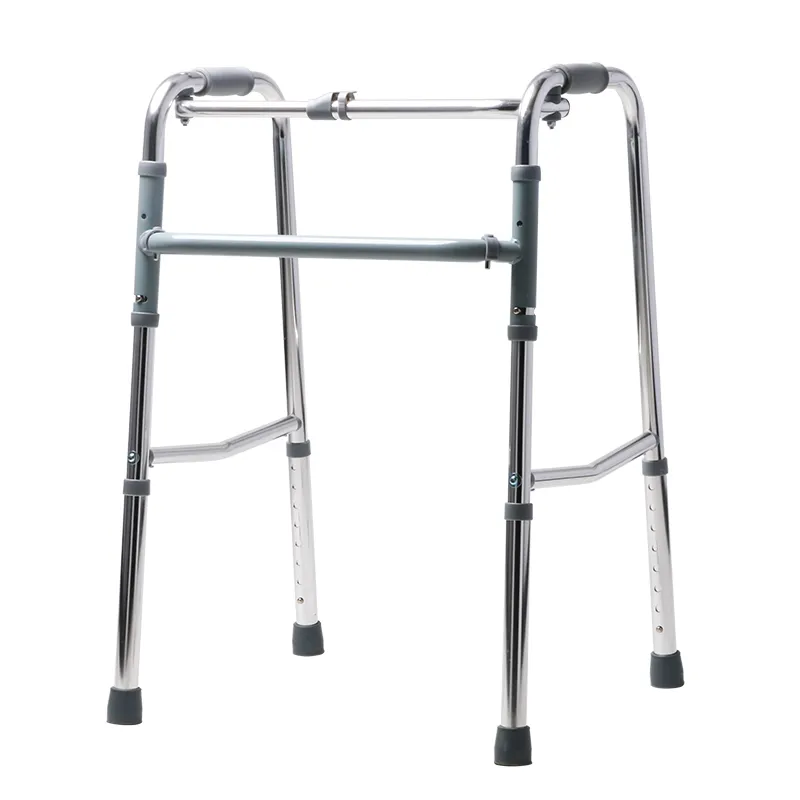
• Non-wheeled walkers (Standard Walkers): Due to their simple structure and minimal number of wear-prone components, they can last for over 10 years—or even longer—under normal usage conditions.
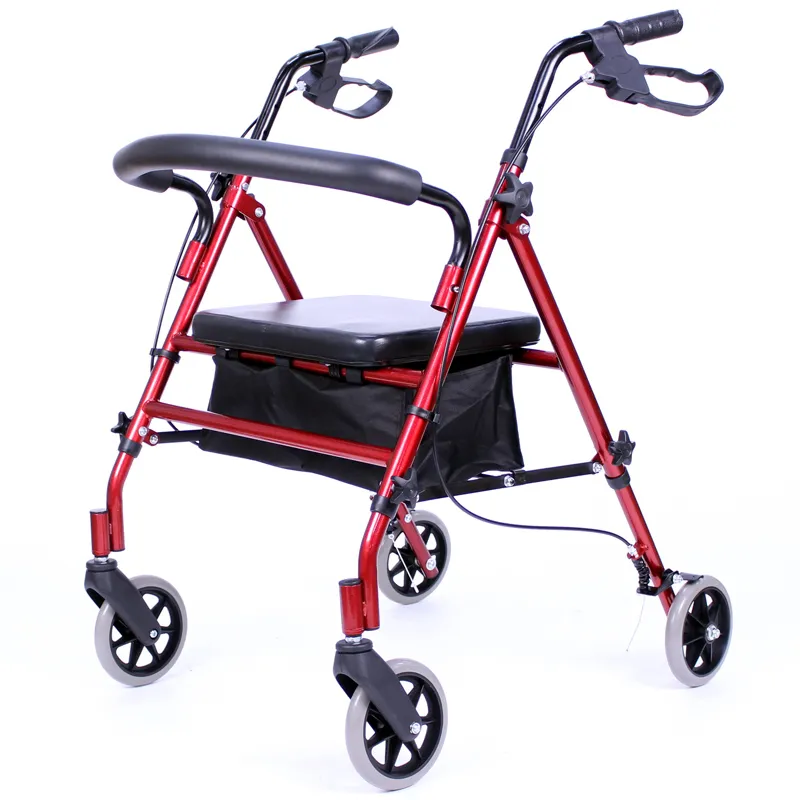
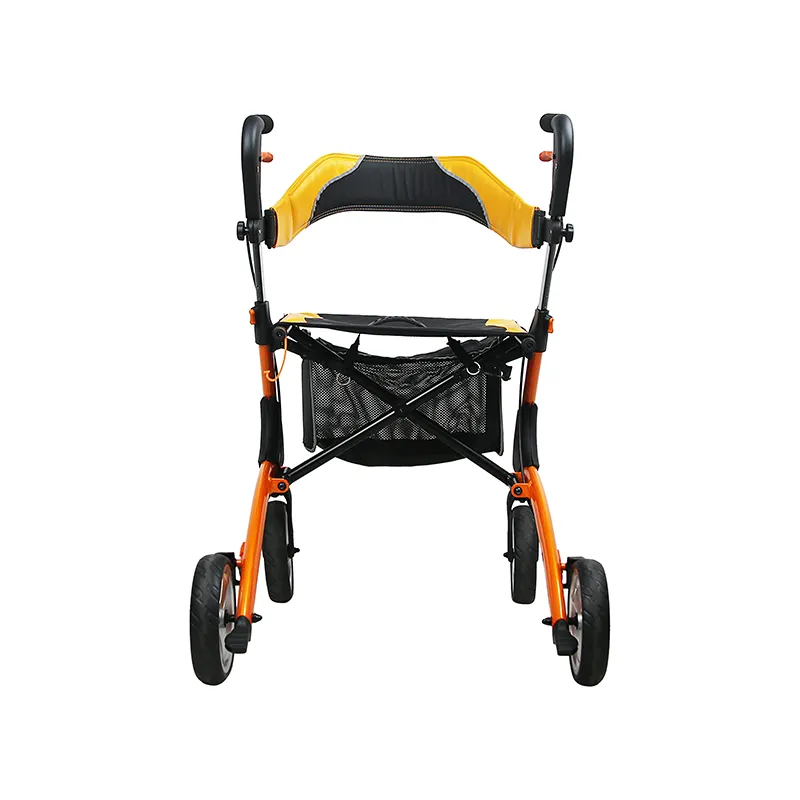
• 4-wheeled walkers (Rollators): These feature a more complex structure that includes moving parts such as wheels, brakes, and seats. With proper maintenance, their average lifespan is typically 5 to 10 years.
This disparity stems from the differing design purposes and intended usage environments of the two types of walkers. Non-wheeled walkers are primarily designed for indoor use on flat surfaces, whereas 4-wheeled walkers are more commonly used outdoors on varied or complex terrain.
Why Do Non-Wheeled Walkers Last Longer?
1. Simple Structure, Fewer Potential Failure Points
The non-wheeled walker is the most basic form of walking aid. It consists of a sturdy metal frame supported by four non-slip rubber tips at the base; lacking wheels, brakes, or rotating components, it is virtually immune to mechanical wear and tear.
This means that—provided the materials are of high quality and the usage environment is favorable—the device is practically "indestructible." Some users have even continued to use the same walker for over a decade, requiring nothing more than the periodic replacement of the rubber tips to keep it fully functional.
2. Gentle Indoor Usage Environment
Non-wheeled walkers are typically used indoors or on flat, even surfaces. In this type of environment—free from the erosive effects of rain, dust, or grit, and rarely subjected to external impacts—the frame structure can maintain its stability over the long term.
3. Simple Maintenance
The cost of maintaining a non-wheeled walker is virtually zero. All that is required is a periodic check to ensure that screws are not loose and that the rubber tips on the legs are not worn down.
Consequently, among all types of walkers, the non-wheeled variety typically boasts the longest lifespan.
Why do 4-wheeled walkers have a shorter lifespan?
1. More Complex Structure; More Wear-Prone Components
4-wheeled walkers (also known as rollators) are equipped with tires, bearings, brakes, seats, and folding mechanisms.
Over the course of long-term use, these moving parts inevitably undergo mechanical wear, aging, or loosening, thereby shortening the device's overall lifespan.
2. Harsher Outdoor Usage Environments
4-wheeled walkers are predominantly used in outdoor settings—such as parks, streets, and sidewalks. These surfaces are often uneven and may contain dust, moisture, or grit, all of which accelerate the wear and tear on the tires and metal frame.
3. Higher Load-Bearing Demands and Usage Frequency
Many 4-wheeled walkers feature a seat and a storage basket; users frequently sit on the seat to rest or place items in the basket. Sustained exposure to heavy loads over time can compromise the structural stability of the device.
This is particularly true for the braking system: if used frequently without proper maintenance, the steel brake cables are prone to aging or rusting.
In summary, while the lifespan of a 4-wheeled walker may be slightly shorter, with proper maintenance, it can still reliably serve a user for five years or more.
What factors determine a walker's lifespan?
A walker's service life is not determined solely by its "model"; it is also closely tied to the following key factors:
1. Material Composition Determines Baseline Lifespan
• Aluminum Alloy Walkers: Lightweight and corrosion-resistant; this is the most common material choice and offers a relatively long lifespan.
• Stainless Steel Walkers: More robust and durable, making them suitable for heavier users.
• Carbon Fiber or Composite Materials: High-end, lightweight options that offer superior fatigue resistance.
Generally speaking, the higher the quality of the material and the greater its resistance to corrosion, the longer the device's service life will be.
2. Usage Frequency
A 4-wheeled walker used for eight hours every day will experience a significantly higher degree of wear on its tires and brakes compared to one used only two or three times a week. The higher the frequency of use, the shorter the lifespan—this applies to all types of walkers.
3. Usage Environment
• Indoor environments → Longer lifespan
• Complex outdoor environments → Shorter lifespan
Rain, dirt, sand, and extreme temperatures can all shorten a walker's service life.
4. User Weight
Using a walker beyond its designed weight capacity accelerates frame bending and axle deformation. This is particularly critical for 4-wheeled walkers; users must strictly adhere to the maximum weight limits specified by the manufacturer.
5. Maintenance and Cleaning
A walker is not a device to be "used until it breaks, then repaired"; rather, it requires regular maintenance.
Appropriate lubrication, cleaning, and rust prevention treatments can significantly extend its service life.
For 4-wheeled walkers in particular, regular cleaning and inspection of the brake cables and wheel axles are crucial.
How long do non-wheeled walkers and 4-wheeled walkers typically last?
Walker Type | Average Lifespan | Usage Environment | Maintenance Required? | Primary Wear Components
Non-wheeled Walker (Walking Frame) | 8–15 years | Indoor, Flat Surfaces | No (Only foot pad replacement) | Non-slip Foot Pads
4-wheeled Walker (Rollator) | 5–10 years | Outdoor, Varied Terrain | Yes (Tire & brake maintenance) | Tires, Brakes, Bearings
As is evident, the service life of a walker is inversely proportional to the complexity of its design.
A non-wheeled walker functions more like a "long-term durable good," whereas a 4-wheeled walker behaves more like a "small vehicle" that requires ongoing maintenance.
How long can a walker be used? What signs indicate that it is time for a replacement?
Even walkers with a long potential lifespan will eventually show signs of aging over time. Here are some common indicators that a replacement is needed:
1. Loose or Deformed Frame
Whether it is a non-wheeled walker or a 4-wheeled walker, if the frame structure becomes loose or unstable, continuing to use it poses a significant safety risk.
2. Severely Worn Rubber Foot Pads or Tires
If the foot pads become worn smooth, their anti-slip properties are drastically reduced, making slips and falls more likely.
If the tires on a 4-wheeled walker become worn or cracked, it compromises balance and hinders smooth movement.
3. Malfunctioning or Sticking Brakes
For 4-wheeled walkers, brake failure is a highly dangerous warning sign. The device should be repaired or replaced immediately.
4. Cracks Appearing on Aluminum Alloy Surfaces
Cracks caused by metal fatigue can lead to structural failure; the device should be taken out of service immediately.
5. Significant Decline in Performance
If the walker becomes difficult to push, wobbles, or produces increased noise, it indicates that components are aging, and replacement should be considered.
How Can You Extend the Lifespan of Non-Wheeled and 4-Wheeled Walkers?
1. Regularly Check Structural Stability
Once a month, inspect connection screws, weld points, and support legs for looseness to ensure structural safety.
2. Keep Dry and Clean
• Non-wheeled walkers: Wipe down metal surfaces to prevent oxidation.
• 4-wheeled walkers: Clean dust from the tires after use, and avoid prolonged exposure to rain.
3. Regularly Lubricate Moving Parts
The bearings and brake cables on 4-wheeled walkers should be oiled every three months to prevent rust and sticking.
4. Store Properly
When not in use, store the walker in a well-ventilated, dry area away from direct sunlight to prevent high temperatures from causing the rubber leg tips or tires to age prematurely.
5. Avoid Overloading
Every walker has a maximum weight capacity; exceeding this limit will significantly shorten its lifespan.
What Are the Key Maintenance Priorities for Non-Wheeled vs. 4-Wheeled Walkers?
Maintenance Priorities for Non-Wheeled Walkers:
• Regularly replace the non-slip rubber leg tips.
• Check weld points for any cracks.
• If slight wobbling occurs, the frame's fastening screws can be adjusted as needed.
Maintenance Priorities for 4-Wheeled Walkers:
• Tires: Maintain proper air pressure or check for signs of wear.
• Brake System: Test brake responsiveness monthly.
• Seat: Clean regularly and check for stability.
• Folding Mechanism: Lubricate to prevent sticking.
Adhering to these maintenance practices can extend the lifespan of a 4-wheeled walker to nearly 10 years
How Long a Walker Lasts Depends Nn How You Use It
In general:
• Non-wheeled walkers (walking frames) → Simple structure; lifespan of over 10 years.
• 4-wheeled walkers (rollators) → Feature-rich; require regular maintenance; lifespan of 5 to 10 years.
As long as it is used, cleaned, and maintained correctly—regardless of the type—a walker can provide stable support for a long time, helping the user walk safely and improving their quality of life.
FAQ
Q: Does the brand affect a walker's lifespan?
A: The brand influences the walker's manufacturing craftsmanship and the quality of its materials. Reputable brands typically use sturdier metals and more precise welding techniques, and offer comprehensive after-sales support.
However, even a high-end 4-wheeled walker cannot guarantee a long lifespan if it goes without maintenance for extended periods.
Therefore, while the brand influences the potential lifespan, proper maintenance ultimately determines the actual lifespan.
Q: Do non-wheeled walkers become loose after prolonged use?
A: They might. After extended use, connecting screws or joint fittings may loosen slightly; however, stability can be restored by simply retightening them.
Q: How often should the wheels on a 4-wheeled walker be replaced?
A: Depending on the frequency of use, it is generally recommended to replace them every 2 to 3 years. If the wheels appear significantly worn down or have lost their elasticity, they should be replaced sooner.
Q: Can a walker still be used if it shows signs of rust?
A: If there is only minor surface rust, it can be cleaned off, and the walker may continue to be used. However, if the corrosion has penetrated deep into the metal structure, it is recommended that you replace the walker.
Q: How can I tell if a walker is "beyond repair" (needs to be retired)?
A: You should stop using the walker immediately if the frame becomes deformed, the metal structure shows signs of fatigue cracking, the brakes fail, or the overall structure is no longer stable.
Q: Why are non-wheeled walkers more durable than 4-wheeled walkers?
A: Because non-wheeled walkers have a fixed structure, fewer moving parts, and are typically used in more stable environments, their lifespan is significantly longer than that of products featuring a wheeled design.