

Among modern assistive mobility devices, "hemi-wheelchairs" and "standard wheelchairs" are the two most common types of manual wheelchairs. Users purchasing a wheelchair for the first time often ask the same questions:
What is the difference between a hemi-wheelchair and a standard wheelchair? Which one is better suited to my needs or those of a family member?
Although these two types of wheelchairs look similar, there are significant differences in their structural design, target users, foot support methods, and usage. Making the right choice affects not only the user's comfort but also their independence, safety, and convenience in daily life.
This article provides an in-depth analysis to help you fully understand the key differences between hemi-wheelchairs and standard wheelchairs, offering professional recommendations based on specific needs.
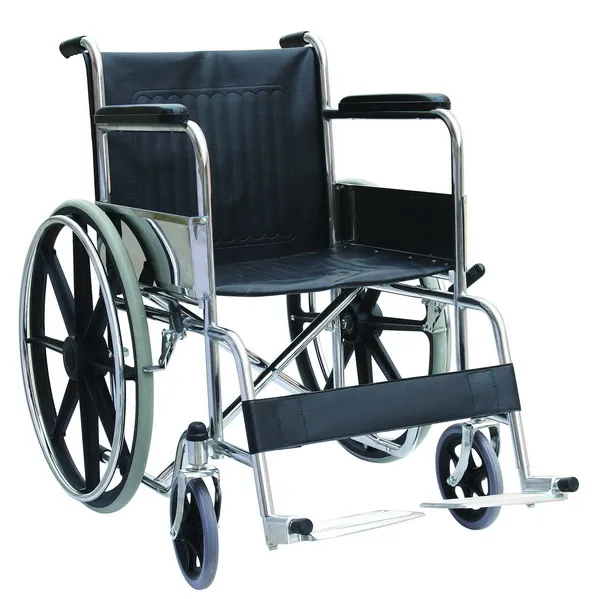
What is a standard wheelchair? Why is it the most common type?
A standard wheelchair is an assistive mobility device designed for users who have normal upper-body strength but difficulty bearing weight on their lower limbs. This type is commonly found in hospitals, rehabilitation centers, and nursing facilities.
Standard wheelchairs follow a crucial design principle:
They are designed to keep the user's feet off the ground at all times. In other words, the user places their feet on the footrests and propels the chair forward using their hands, rather than using their feet to assist with movement.
Key design features of a standard wheelchair:
• Equipped with stable footrests
• No weight-bearing required for lower limbs
• Propelled by upper-body strength
• Sturdy structure suitable for prolonged sitting
• Fixed usage method, offering high safety
Standard wheelchairs meet the daily mobility needs of most individuals with lower-limb mobility impairments.
What is a hemi-wheelchair? Why is it better suited for certain users?
The primary difference between a hemi-wheelchair and a standard wheelchair lies in the foot design. Based on the core concept of the hemi-wheelchair, it allows users to place their feet on the ground as needed to propel themselves forward.
This structural design makes the "hemi-height" (or low-seat) wheelchair particularly suitable for users who:
• Retain some lower-body mobility
• Wish to use their feet to propel themselves (scooting)
• Want to be more actively involved during use
• Desire greater maneuverability in indoor environments
These wheelchairs do not require users to keep their feet on footrests at all times; instead, they allow the lower body to remain active, promoting muscle engagement and maintaining a higher level of independence.
Key features of hemi-height wheelchairs:
• Typically lower seat height
• Feet can touch the ground to assist with movement
• Suitable for users with partial lower-body strength
• Lighter and more maneuverable
• Versatile propulsion methods: using feet, hands, or a combination of both
They are commonly used during rehabilitation, by individuals with partial mobility impairment, or by users who have not completely lost the ability to walk.
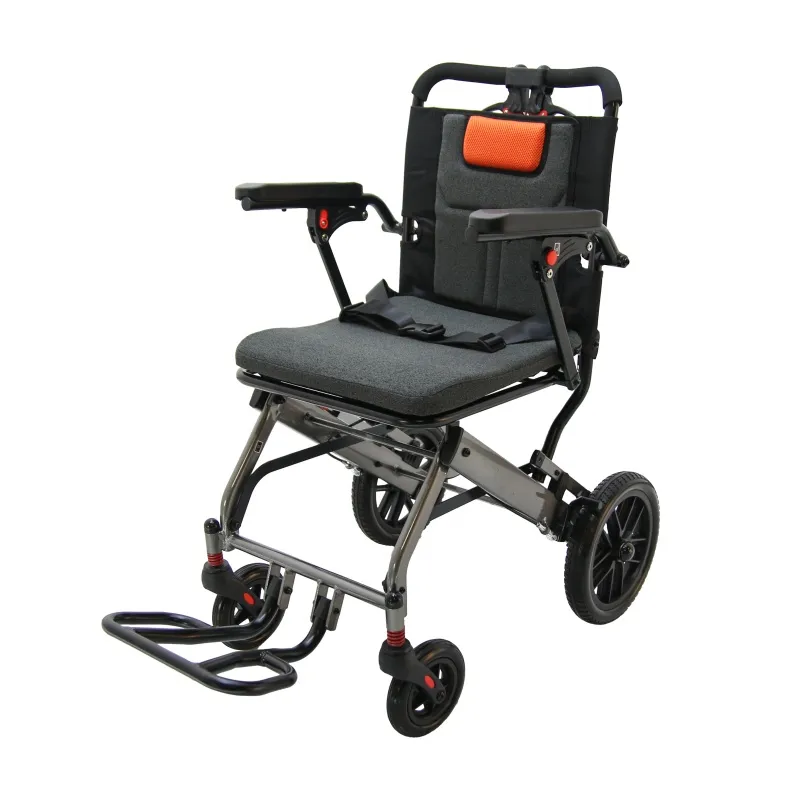
What are the core structural differences between hemi-height wheelchairs and standard wheelchairs?
Although both are manual wheelchairs, there are distinct differences in their structural design:
1. Seat height
• Standard wheelchair: The seat is usually higher, preventing the feet from touching the ground.
• Hemi-height wheelchair: The seat is lower, allowing the user to naturally place their feet on the ground for propulsion.
This difference in seat height directly affects how the chair is used and determines the target user group.
2. Footrest design
• Standard wheelchair: Footrests are a key component; the user relies on them to support their feet.
• Hemi-height wheelchair: Emphasizes "fold-away" or "removable" footrests (or omits them entirely) to allow the user's feet to touch the ground at any time.
3. Propulsion method
• Standard wheelchair: Relies entirely on the hands to drive the handrims.
• Hemi-height wheelchair: Allows for propulsion using both hands and feet, offering greater flexibility.
4. Weight and handling
• Standard wheelchair: Sturdy structure, generally heavier.
• Hemi-height wheelchair: Low seat and lightweight frame, making it better suited for indoor use.
5. User engagement
• Standard wheelchair: Better suited for individuals whose lower bodies cannot participate in movement at all.
• Hemi-height wheelchair: Encourages lower-body participation, enhancing autonomy and mobility.
Who are "low-profile" (or hemi-height) wheelchairs and standard wheelchairs suitable for?
To better answer the question "Which wheelchair is best for you?", we can analyze the options based on the user's physical capabilities.
1. Who is a low-profile wheelchair suitable for?
Low-profile wheelchairs are suitable for individuals who:
• Retain some strength in their lower limbs
• Can use their feet to help propel themselves forward
• Wish to move flexibly indoors
• Want to exercise their legs and maintain mobility
• Require partial weight-bearing training during rehabilitation
For example—(analyzed from a functional perspective rather than using specific real-life cases)
If a user can still touch the ground with their feet and exert some force, a low-profile wheelchair facilitates easier movement while encouraging muscle engagement, making it a choice that balances transitional needs with functional benefits.
2. Who is a standard wheelchair suitable for?
Standard wheelchairs are suitable for individuals who:
• Cannot bear weight on their lower limbs
• Cannot safely place their feet on the ground
• Need to remain seated for extended periods
• Require long-term use in hospitals or care facilities
• Have sufficient upper-body strength to propel the wheelchair
For those unable to use their feet to assist with movement, the structure of a standard wheelchair offers greater safety and stability.
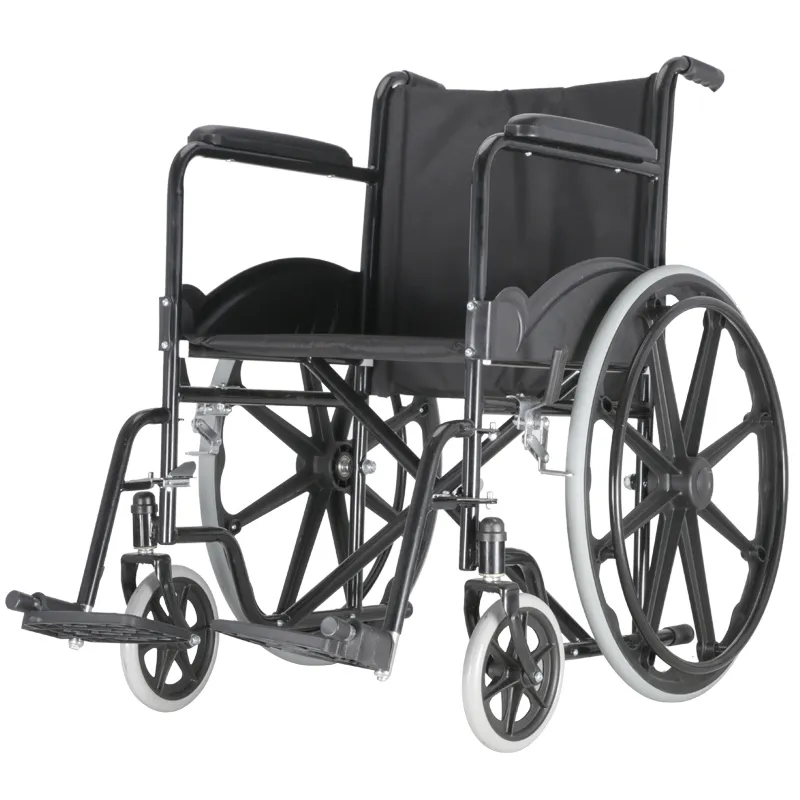
What are the common questions to consider when choosing between a low-profile wheelchair and a standard wheelchair?
When deciding between a low-profile wheelchair and a standard wheelchair, the following core questions are crucial:
1. Is there sufficient lower-limb strength to touch the ground and propel the chair?
If the lower limbs can still exert force—even if minimal—a low-profile wheelchair is often the better choice, as it allows for greater independence.
If the lower limbs cannot participate at all, a standard wheelchair offers better safety.
2. What is the daily usage environment?
• Narrow indoor spaces: Low-profile wheelchairs are more maneuverable and have lower seats, making them easier to operate.
• Long-distance outdoor travel: Standard wheelchairs offer greater stability and better support.
3. Does the user require rehabilitation training?
If the goal is to keep the legs active, a low-profile wheelchair offers better opportunities for such training.
4. How long will the user be seated in the wheelchair?
For extended periods, standard wheelchairs provide more solid support and are better suited for all-day use.
5. Is assistance from a caregiver required for pushing?
• Low-profile (self-propelling) wheelchair: Better suited for users to propel themselves.
• Standard wheelchair: More commonly used in care facilities where others do the pushing.
What are the safety differences between low-profile and standard wheelchairs?
Which is safer? It depends on suitability for the user.
Safety does not depend solely on the equipment itself, but rather on whether the user has chosen the type that suits them best.
Safety advantages of standard wheelchairs:
• Highly stable.
• Feet do not touch the ground, reducing the risk of injury.
• Ideal for users with no lower-limb mobility.
• Solid chassis and larger dimensions.
Safety advantages of low-profile wheelchairs:
• Low seat height ensures a stable center of gravity.
• Less likely to tip over during indoor use.
• Users can brake with their feet at any time, allowing for faster reactions.
• Feels more natural for users with some mobility.
However, choosing a low-profile wheelchair when one cannot use their feet at all creates a safety risk. Therefore, safety hinges on selecting the right type.
From a user experience perspective, which is more comfortable: the low-profile or the standard wheelchair?
Comfort is another key factor influencing the choice of wheelchair.
Comfort features of low-profile wheelchairs:
• Low seat height; closer to the height of a standard chair.
• Allows for frequent leg movement, reducing stiffness.
• Suitable for frequent movement and shorter periods of sitting.
• More agile and lightweight.
Comfort features of standard wheelchairs:
• Suitable for prolonged sitting.
• Wider and more stable.
• Offers greater support.
• Wide range of accessories available (headrests, thickened cushions, etc.).
If you need to use a wheelchair for extended periods each day, the standard wheelchair offers a distinct advantage in terms of comfort.
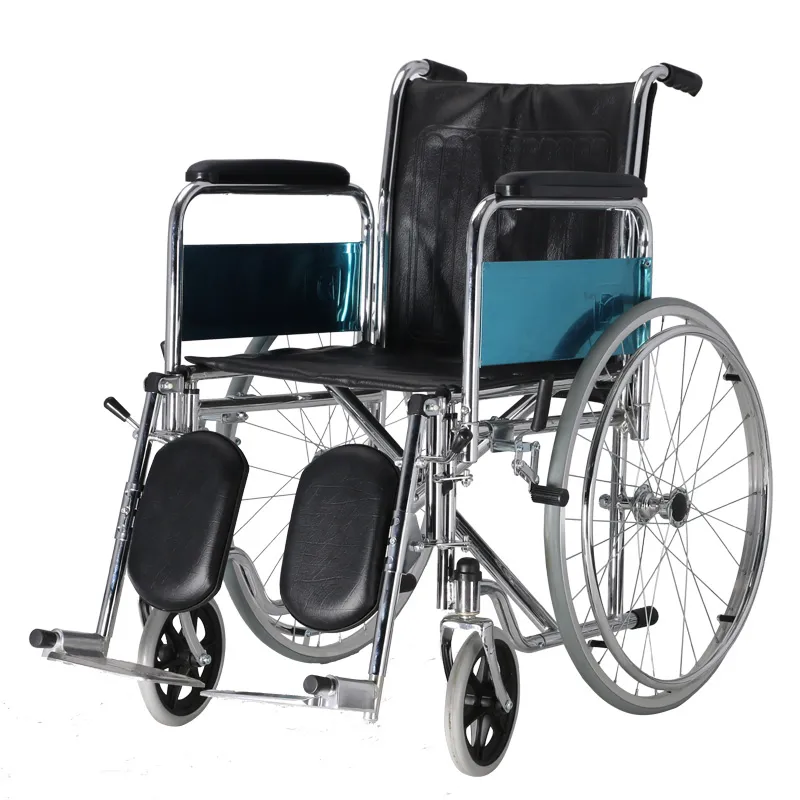
How do you choose the wheelchair that is best suited for you? Choosing Based on Your Needs
To help you make a quick decision, here is a clear guide:
Choose a hemi-wheelchair if:
• You can still use your feet to assist with movement
• You want to move around easily indoors
• You wish to maintain greater independence
• You want to keep your feet active
• You need a lightweight, maneuverable wheelchair
Choose a standard wheelchair if:
• You cannot use your feet for support or movement
• You need to sit in the wheelchair for extended periods
• You require maximum stability
• You need a caregiver to push you frequently
• You want more options for support and accessories
Final Choice: Hemi-wheelchair vs. Standard Wheelchair
• Do you have lower-body strength? — Choose Hemi-wheelchair
• Are your legs unable to assist with movement at all? — Choose Standard Wheelchair
• Frequent indoor movement? — Hemi-wheelchair
• Long-term daily use? — Standard Wheelchair