

Among rehabilitative assistive devices, the "walker" is one of the most common and fundamental tools available. Before purchasing or using one, many people often ask a common question: Can a walker be used indoors?
The answer is—of course it can.
In fact, walkers are primarily designed with indoor use in mind. Unlike devices such as rollators (wheeled walkers) or wheeled support frames—which are geared more toward outdoor use—walkers prioritize stability, safety, and adaptability to confined spaces.
This article will systematically analyze why walkers are exceptionally well-suited for indoor use. We will provide a detailed breakdown of their structural features, functional advantages, key selection criteria, and important safety precautions to help you understand—from a professional perspective—"why the walker is the ideal choice for indoor mobility."
What Is a Walker? Why Is It Better Suited for Indoor Use?
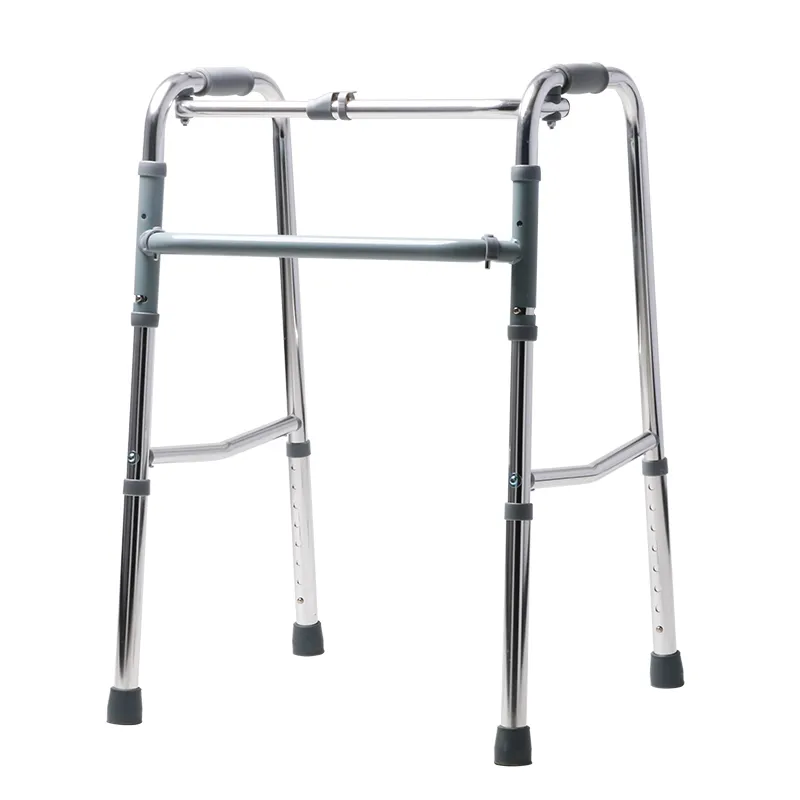
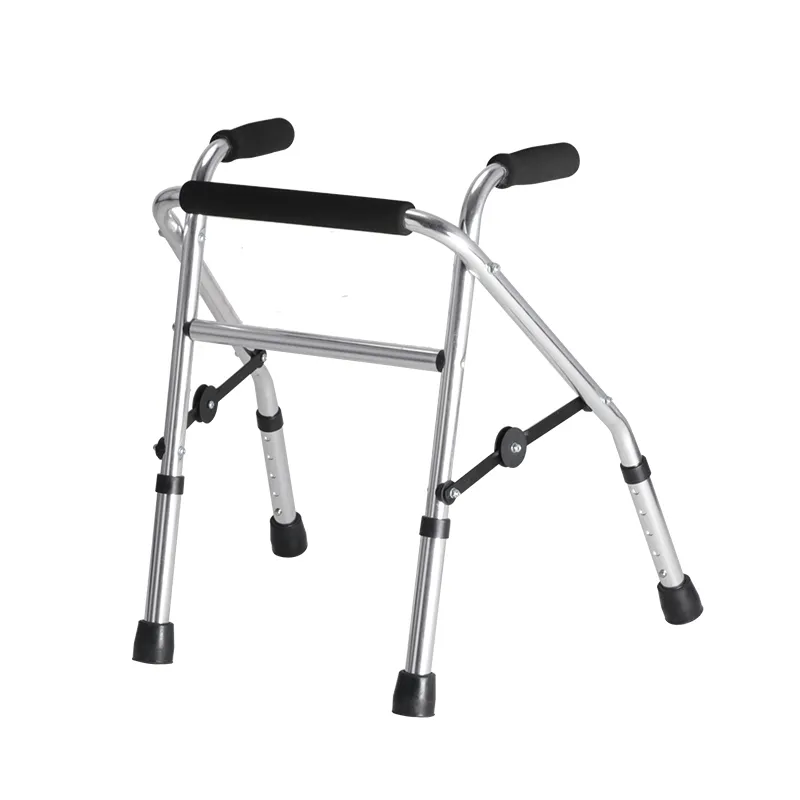
A walker is a walking aid designed to provide support and balance assistance to individuals with mobility impairments, patients undergoing rehabilitation, or the elderly. Typically constructed from lightweight metal, it features a four-point (or multi-point) support structure that helps distribute the user's body weight, thereby enabling them to walk safely.
Walkers generally fall into two main categories:
1. Non-wheeled walkers (fixed walkers)
2. Wheeled walkers (featuring front wheels or four wheels)
Of these, the non-wheeled walker is particularly well-suited for indoor use; its stable structure, compact footprint, and non-slip design allow it to provide reliable support even within narrow or confined spaces. Even walkers equipped with front wheels are predominantly used on flat, obstacle-free surfaces—such as those found in bedrooms, living rooms, hallways, and other indoor areas.
In other words, the core design philosophy behind the walker is "safe indoor mobility assistance."
Why Are Walkers—Rather Than Rollators—Better Suited for Indoor Use?
Many people tend to confuse "walkers" with "rollators" (wheeled walkers). Although their names are similar, their intended purposes are entirely different.
Walkers are geared toward providing safe assistance within indoor environments, whereas rollators are geared toward facilitating mobility and support in outdoor settings.
Walkers emphasize stability, while rollators emphasize mobility.
Consequently, for environments such as private homes, rehabilitation centers, and hospital wards, the walker remains the more appropriate choice.
What Are the Advantages of Using a Walker Indoors?
1. High Stability; Resistant to Slipping
Walkers feature a four-point base that rests firmly on the ground, and their feet are typically fitted with non-slip pads.
They provide stable support across a variety of indoor surfaces—including tile, hardwood, and carpet—without slipping, even on smooth floors.
Non-wheeled walkers, in particular, are renowned for their "fixed support" and are considered the most stable form of walking aid available.
2. Simple to Operate; Ideal for Compact Indoor Spaces
Indoor spaces are often limited; however, walkers feature a compact structure and a tight turning radius, ensuring they do not take up excessive space.
Users can move with ease between different areas of the home, such as bedrooms, kitchens, and bathrooms.
Compared to the larger frames of rolling walkers, standard walkers are better suited for providing support during short-distance movements in daily life.
3. Serves as a Support Point for Standing Up and Sitting Down
Many people lack stable support when standing up from or sitting down onto furniture at home, making them prone to losing their balance.
Walkers provide ideal support in these situations.
Users can grasp the sides of the walker with both hands to safely rise from a chair or the edge of a bed.
4. High Safety; Suitable for Those with Poor Balance
For users in the early stages of rehabilitation or those with compromised balance, walkers offer a high level of safety and security.
Unlike rolling walkers, they do not generate forward momentum (rolling inertia); instead, the user maintains complete control over their pace,
ensuring that every step lands firmly and securely.
5. Quiet Operation; Protects Floor Surfaces
The feet of high-quality walkers are fitted with soft rubber or shock-absorbing materials. These materials not only prevent slipping but also protect floors from scratches and scuffs.
Consequently, they are perfectly suitable for use on hardwood, tile, and laminate flooring.
What details should be kept in mind when using a walker indoors?
Although walkers offer high stability, proper usage remains the key to safety. The following details require special attention when using a walker indoors:
1. Ensure Floors Are Dry and Even
Wet or slippery floors can compromise the traction of the walker's feet. Keeping floors clean and dry helps prevent slipping.
2. Avoid Obstacles
Furniture, rug edges, electrical cords, and similar items can all pose tripping hazards; ensure that pathways are cleared of such obstacles in advance.
3. Adjust the Walker's Height
Setting the walker to the appropriate height ensures that your arms remain naturally bent at an angle of approximately 15 degrees, thereby preventing strain on your shoulders or back.
4. Hold the Walker with Both Hands Simultaneously
Using the walker with only one hand can easily lead to tilting; you should always grip it with both hands to maintain balance.
5. Follow the Step-by-Step Movement Method
Move the walker forward → shift your body forward → plant your feet firmly before taking the next step, maintaining a steady rhythm.
6. Pay Attention to Lighting When Using at Night
Ensure that your walking path is well-lit to avoid visual obstructions.
These small details are often overlooked in daily life, yet they are crucial for safety when using a walker indoors.
What Type of Walker Is Best Suited for Indoor Use?
Not all walkers are created equal; different types vary in their suitability for indoor environments.
Below are several common types of walkers and their applicability for indoor use:
1. Non-Wheeled Walkers (Fixed Walkers)
• The most stable option, making it ideal for indoor use.
• Features four fixed legs that do not slide, allowing for stable use in small spaces such as bedrooms and bathrooms.
• The safest choice for individuals in the early stages of rehabilitation or those with unstable balance.
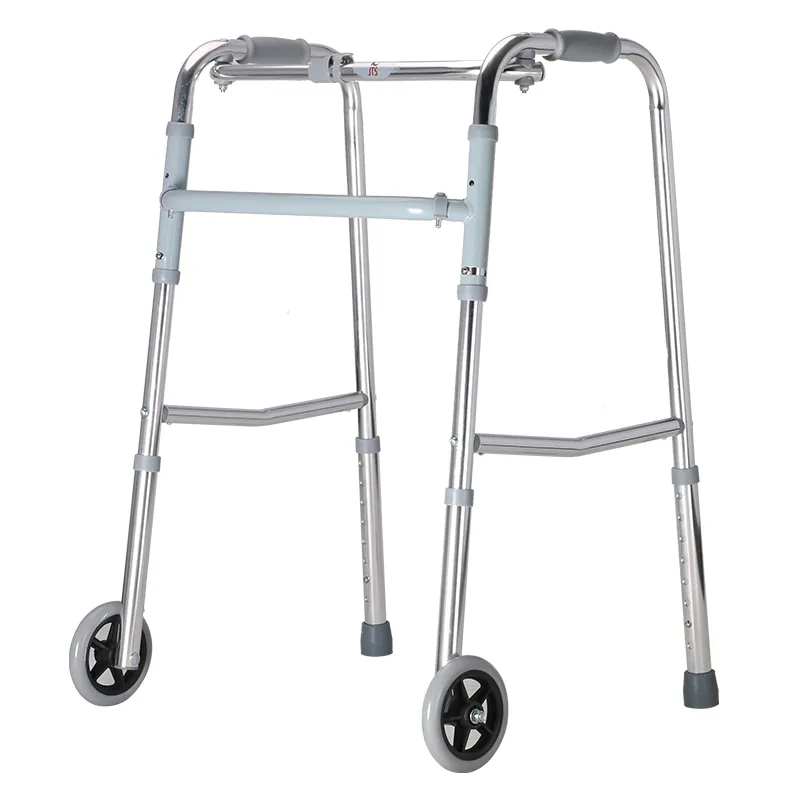
2. Front-Wheeled Walkers
• Suitable for relatively flat indoor spaces, such as living rooms and hallways.
• Features two small wheels at the front that allow for easy pushing, while non-slip rubber tips at the rear provide stability.
• Suitable for individuals with some lower-body strength who desire a more effortless way to move around.
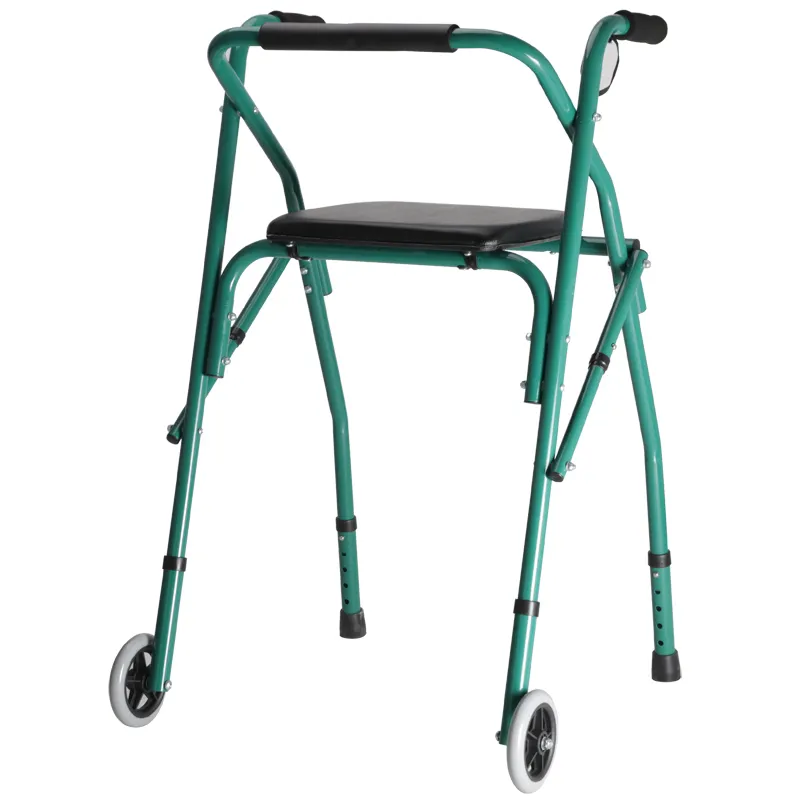
3. Folding Walkers
• Suitable for households with limited space, as they can be folded up for storage after use.
• While slightly less stable than fixed walkers, they remain highly suitable for indoor use.
Overall, the fixed, non-wheeled walker is the preferred choice for indoor use, offering the highest levels of stability and safety.
What Are the Correct Steps for Walking Indoors with a Walker?
Many people purchase a walker but are unsure how to use it correctly, which diminishes its effectiveness.
Here are the standard steps for using a walker indoors:
1. Grip the sides of the walker firmly with both hands while keeping your body upright.
2. Lift the walker, move it forward a short distance (about one small step), and set its four legs down firmly.
3. Once you have confirmed that the walker is stable, shift your body forward into the space enclosed by the walker.
4. Move your feet forward one after the other while maintaining your balance.
Repeat these actions, maintaining a steady rhythm and an even stride. By adopting this "walker first, then body" technique, users can maximize stability and significantly reduce the risk of falling.
Why are walkers better suited for indoor use than other mobility aids?
Compared to other mobility aids—such as canes or crutches—walkers offer distinct advantages within an indoor environment:
Comparison Criteria | Walker | Cane | Crutch
Number of Support Points | 4 or more | 1 | 2
Balance Support Area | Large | Small | Medium
Safety & Stability | ★★★★★ | ★★ | ★★★
Suitability for Tight Spaces | Yes | Yes | Fair
Ease of Use | Low | Medium | High
As is evident, when used indoors, a walker—thanks to its four-point stable support structure—provides a sense of security far superior to that of other mobility aids.
Particularly for the elderly and those undergoing rehabilitation, the walker stands as arguably the most ideal tool for indoor walking support.
Key Maintenance Tips for Indoor Walker Use
To ensure your walker remains safe and stable over the long term, you should perform simple, regular maintenance:
• Check for wear on leg tips/pads: If they appear smooth, worn down, or cracked, replace them immediately.
• Verify the security of connecting joints: Ensure the metal frame is free of looseness or deformation.
• Clean surfaces and the undersides of leg tips: This prevents dust accumulation from compromising traction.
• Avoid prolonged exposure to moisture: Keeping the device in a dry environment prevents metal oxidation.
• Handle with care when folding: Avoid dropping the walker, as this can damage the welded joints.
While these details may seem minor, they can significantly extend the walker's lifespan while simultaneously ensuring the user's safety indoors.
How Should You Arrange Your Home Environment When Using a Walker?
To ensure your walker provides optimal assistance indoors, you can optimize your home layout based on its specific usage requirements:
• Maintain clear pathways at least 70 cm wide to ensure the walker can pass through smoothly.
• Remove small throw rugs or door thresholds to prevent snagging or tripping hazards.
• Install nightlights or low-level floor lighting to facilitate safe movement during the night.
• Place frequently used items in easily accessible locations to minimize the need for frequent turning.
• Designate a clear space for the walker in "transition zones" (e.g., beside the bed) to ensure it is within easy reach when standing up.
Such arrangements make using a walker indoors a much smoother and safer experience.
Can a walker be used in the bathroom or kitchen?
The answer remains: Yes, absolutely.
Although spaces such as bathrooms and kitchens are relatively small, as long as the flooring is non-slip and adequate clearance is maintained in the walkways, a walker can be used there without issue.
Points to note:
• When using a walker in the bathroom, it is recommended to lay down non-slip mats to prevent slipping caused by water spills.
• In the kitchen, the floor should be kept dry to prevent the walker's rubber tips from sliding.
• Opting for a lightweight or narrow-frame walker is particularly well-suited for these types of spaces.
Therefore, provided that environmental safety precautions are observed, a walker can function just as effectively in these areas.
The Psychological and Rehabilitative Value of Indoor Walker Use
Beyond providing physical support, walkers also play a significant psychological role.
For individuals with limited mobility, the presence of an indoor walker signifies:
• Enhanced Independence: The ability to walk to various rooms on one's own, without needing assistance or physical support from others;
• Heightened Sense of Security: Freedom from the fear of falling or losing one's balance;
• Restored Self-Confidence: The regaining of walking ability, which contributes positively to psychological recovery.
This capacity for safe, independent indoor mobility constitutes a pivotal element in the overall rehabilitation process.