

In the fields of medical care and home care, ensuring the safety of individuals with mobility impairments during transfers has always been a top priority. Falls, skin abrasions, soft tissue injuries, joint compression, and secondary injuries can easily occur during transfers. This is especially true for frail individuals, those with mobility impairments, or long-term bedridden patients; without proper assistance, even a simple movement can lead to serious consequences.
Among numerous caregiving devices, the patient transfer lifter is widely considered one of the most effective assistive tools for reducing the risk of patient injury. So, can using a transfer lifter truly reduce injuries to patients? The answer is a resounding yes.
This article will provide a professional, systematic, and authoritative explanation from the perspectives of medical safety, nursing procedures, mechanical principles, and common risk analysis, explaining in detail why patient transfer lifters can significantly reduce the probability of patient injury.
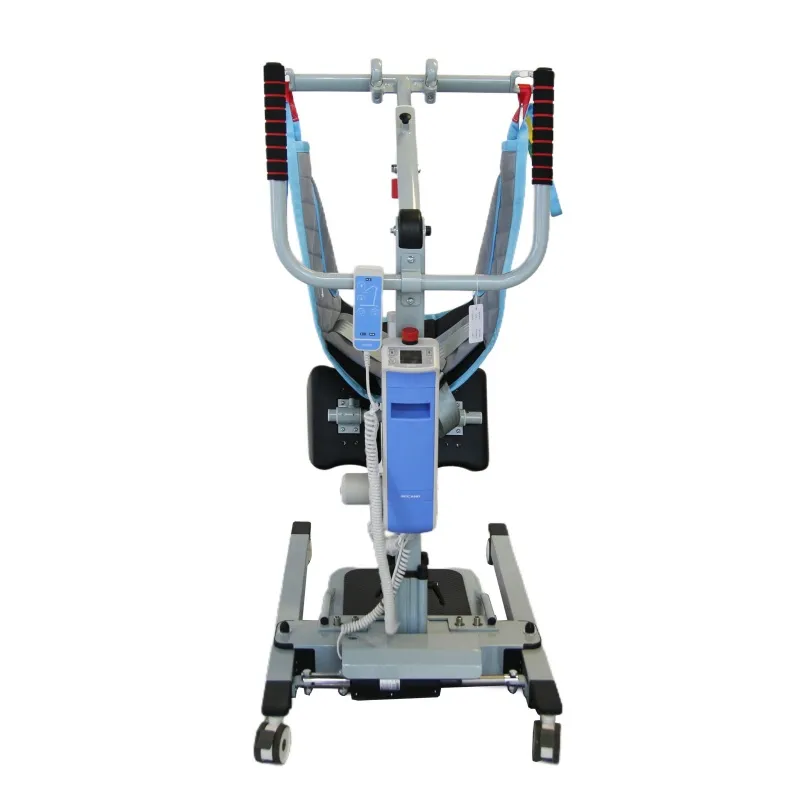
What is a patient transfer lifter?
What role does it play in caregiving scenarios?
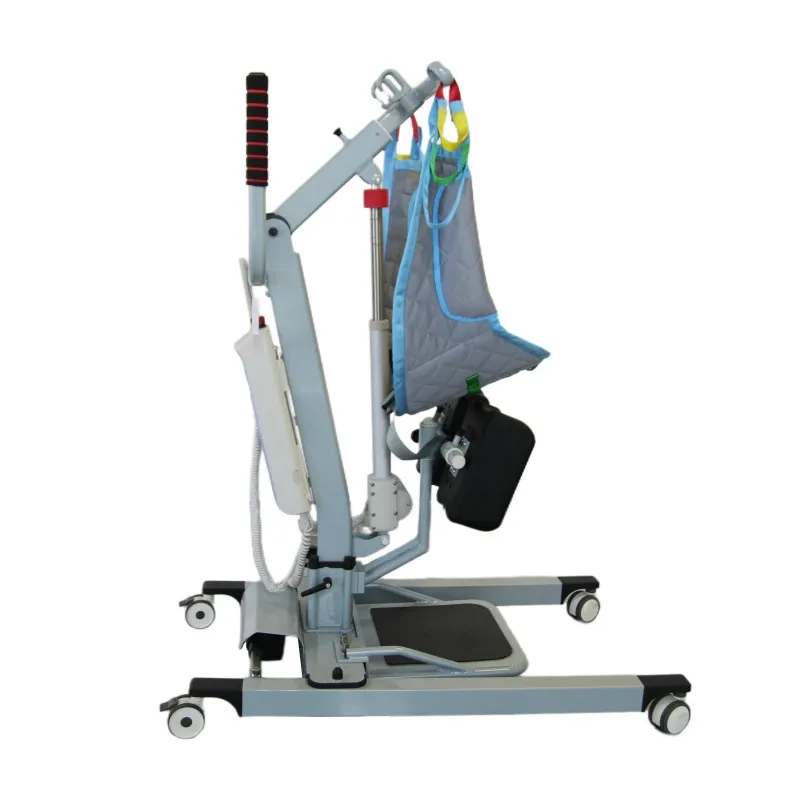
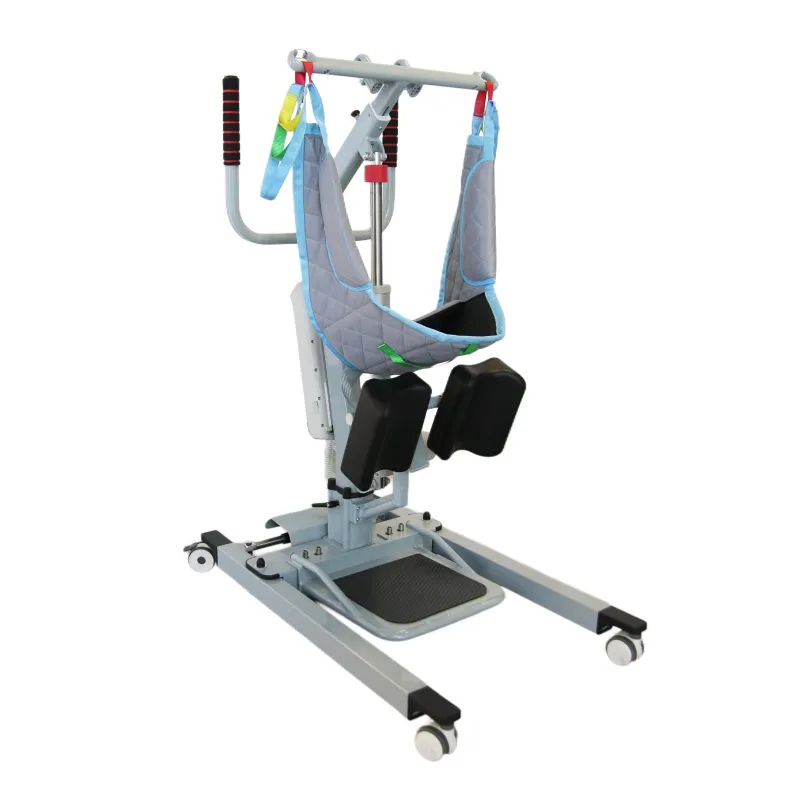
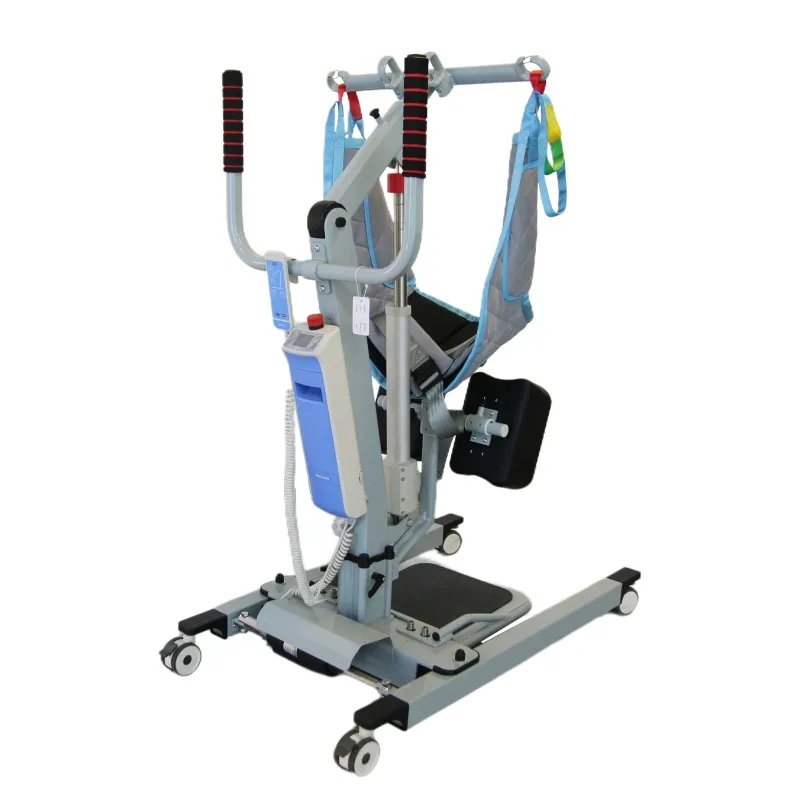
A patient transfer lifter is a device specifically designed to assist patients who are unable to stand up, stand, or transfer themselves. The lifter typically consists of a frame, an electric or hydraulic lifting system, a sling structure, and a mobile base. The design goal is to make the transfer process safer, more stable, and less strenuous.
Patient transfer lifters are widely used in the following scenarios:
• Transferring from bed to wheelchair
• Transferring from wheelchair to toilet or shower chair
• Transferring from chair to bed
• Lifting from the ground to a safe position
• Assisting severely disabled individuals in repositioning
In fact, transfer lifters not only protect patients but also reduce strain on caregivers. This device is increasingly used in hospitals, long-term care facilities, and home care environments.
Why is traditional manual transfer more likely to cause patient injury?
The main sources of risk during manual patient transfers include:
1. Unstable support and changes in center of gravity
Patients with insufficient muscle strength may lose their balance at any time.
2. Limited strength of caregivers
Especially with overweight patients or those who resist movement, falls or drops are more likely to occur.
3. Incorrect operating angle
It is difficult to maintain a stable angle and force distribution during manual transfers.
4. Patients may suddenly become stiff or limp
Certain diseases prevent patients from controlling muscle tone, making the transfer process unpredictable.
5. The patient's skin is fragile and easily bruised
Especially in long-term bedridden patients or the elderly, the skin has poor tolerance and can be injured with even slight pulling.
6. Joints and bones are easily compressed
Incorrect lifting or moving methods can affect joints such as the shoulders, hips, and knees.
Therefore, regardless of how experienced the caregiver is, purely manual transfer makes it difficult to completely avoid the risk of injury to the patient.
What injuries can a patient transfer lifter reduce?
The biggest advantage of using a patient transfer lifter is that it can effectively prevent patients from falling during transfer.
1. Avoid sudden falls due to insufficient muscle strength
Many patients cannot control their muscle strength, and once they lose strength, they will suddenly fall, causing high-risk falls or pressure injuries. The lifter provides stable support, avoiding these unpredictable situations.
2. Prevent loss of balance
Patients with conditions such as Alzheimer's disease, Parkinson's disease, and stroke have poor balance. The lifter ensures that even if the patient cannot adjust their center of gravity independently, they will not fall.
3. Reduce accidental slips
Patients often suffer serious fractures when slipping from the bedside, while the lifter ensures that the patient's body is securely fixed throughout the transfer process.
How does a patient transfer lifter reduce skin damage to patients?
Patients who are bedridden for a long time, have fragile skin, or are prone to pressure sores often experience the following during manual transfer:
• Abrasions
• Friction injuries
• Local skin tears
• Skin pressure injuries
Using a patient transfer lifter can significantly reduce the above risks for the following reasons:
1. The sling design conforms to the human body's curves and does not cause sharp pulling
The sling material is soft and the force is evenly distributed, preventing sudden friction or compression.
2. Avoid being pulled up
Traditional methods easily pull on the arms, shoulders, or armpits, while the lifter avoids these external forces.
3. Reduce body dragging
Many injuries come from dragging the patient's body, and the lifter completely eliminates the need for dragging.
4. Even force distribution reduces skin pressure points
The sling covers a large area, preventing the skin from bearing concentrated pressure.
Can a patient transfer lifter reduce pressure on joints and bones?
The answer is yes. Patients are prone to the following issues during traditional transfers:
• Shoulder subluxation
• Hip compression
• Knee joint torsion
• Pain at the elbow support points
These issues are significantly reduced with the use of a patient transfer lift because:
1. The sling distributes the weight
The body weight is no longer borne by a single joint.
2. The transfer posture is stable and consistent
Reducing unnatural twisting movements.
3. Avoids forceful lifting
Caregivers often have to apply asymmetrical force when lifting patients, which is not a problem with a patient transfer lift.
Can a patient transfer lift reduce the risk of secondary injury?
Secondary injury is a very common clinical problem, such as:
• Worsening of wounds due to improper force applied after surgery
• Twisting of patients with spinal instability during transfer
• Dislocation caused by incorrect posture after joint surgery
A patient transfer lift avoids these risks through stable, slow, and even movement.
What problems in long-term bedridden patients require a lift to reduce injury?
Long-term bedridden patients usually have:
• Muscle atrophy
• Limb stiffness
• Limited joint mobility
• Fragile skin
• Extremely poor balance
• Nearly zero ability to change position
Manual movement easily causes pulling, shearing forces, and compression. A patient transfer lift provides a way that does not rely on muscle strength, making transfer movements controllable and predictable.
For overweight patients, what injuries can a patient transfer lift reduce?
Severely obese patients are more prone to injury due to:
• Multiple skin folds, easily leading to abrasions
• Limited joint weight-bearing capacity
• Heavy body weight making it difficult for caregivers to lift and support them steadily
• Muscles and bones bearing immense pressure
The role of a patient transfer lift is even more significant in this population:
• Avoids human error
• Provides greater load-bearing capacity
• Ensures stable transfer movements
• Prevents joint damage caused by the patient's own weight
Can a patient transfer lift ensure consistent transfer movements every time?
Manual patient transfers can vary depending on the caregiver's experience, strength, and fatigue level, while a patient transfer lift can:
• Lift at the same angle every time
• Lower at the same speed every time
• Secure the patient in a stable position every time
This means patients are not exposed to additional risks due to variations in caregiver performance.
How do patient transfer lifts make safe transfers easier for caregivers?
When caregivers don't have to bear the full weight of the patient, they can focus on:
• Posture correction
• Environmental safety
• Sling position checks
• Preventing patient anxiety
Easier work for caregivers means fewer operational errors and a lower risk of injury.
Which patients benefit most from a patient transfer lifter?
While lifts are suitable for all individuals with limited mobility, the following patients benefit most:
• Stroke patients with hemiplegia
• Spinal cord injury patients unable to stand
• Parkinson's disease patients with rigid movements
• Elderly and frail individuals
• Obese patients
• Multiple sclerosis (MS) patients
• Post-operative patients with weight-bearing restrictions
• Patients with cognitive impairment who cannot cooperate with transfers
• Long-term bedridden patients
These patients are more susceptible to injury during manual transfers, and a patient transfer lifter significantly reduces this risk.
What are the medical implications of using a patient transfer lifter?
From a clinical and rehabilitation perspective, the injury reduction benefits of the lift are primarily seen in:
• Reduced fall rates
• Fewer fractures
• Prevention of skin tears and pressure sores
• Avoiding improper stress on post-operative sites
• Reduced risk of deep joint sprains
• Reduced trauma from sudden falls
These benefits directly impact the patient's recovery speed, comfort, and quality of life.
Does using a transfer lifter reduce harm to patients?
Yes.
Patient transfer lifts significantly reduce the probability of patient injury during transfers by providing even weight distribution, stable support, reduced friction, maintaining correct posture, preventing falls, and reducing the burden on caregivers. For individuals with limited mobility, a lift is not an "option," but a "necessary safety tool."
Does Dayang Medical supply portable mobility equipment?
Yes, we manufacture portable and lightweight wheelchairs, folding walkers, and travel-friendly commodes. Buyers who purchase from our factory in China enjoy cheap purchasing options, wholesale discounts, and factory promotions. Our products are designed for convenience without compromising safety or durability.
Many brands and retailers rely on Dayang Medical as their supplier for high quality portable medical devices, ensuring their customers receive reliable, easy-to-use mobility equipment at competitive prices.