

For frequent users of 4-wheel walkers (also known as rollators), the wheels are among the components most prone to wear and tear. Over time, wheels may become worn smooth, crack, fail to rotate smoothly, or get stuck. Many people ask: "Can I replace the wheels on my 4-wheel rollator walker myself?"
The answer is: Yes, you can, provided the replacement is done correctly.
Replacing the wheels affects not only the smoothness of movement but also directly impacts user safety and the lifespan of the walker.
This article provides a comprehensive guide to replacing 4-wheel rollator walker wheels, covering feasibility, important considerations, compatibility standards, and practical advice to help users make informed decisions and properly maintain their walkers.
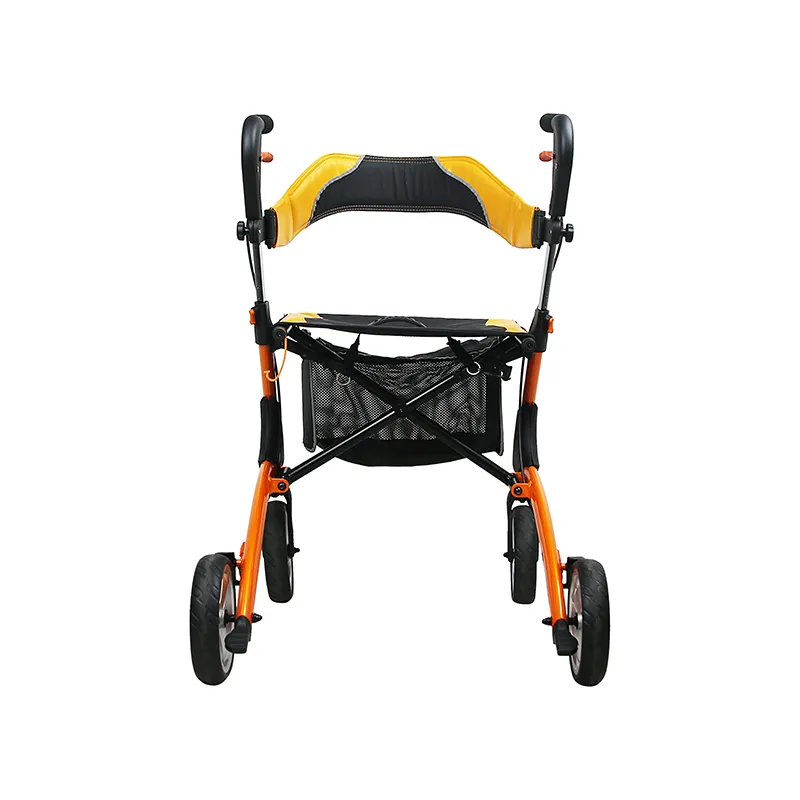
Can the wheels of a 4-wheel walker be replaced?
Almost all 4-wheel rollator walker wheels are detachable and replaceable.
Wheels are considered consumable parts and will naturally wear down over time. Manufacturers typically design them with replaceable components—such as bolts, clips, or quick-release systems—allowing users to swap out the wheels when necessary without having to replace the entire walker.
Before replacing the wheels, you need to verify:
• The walker model and wheel specifications;
• The diameter and length of the wheel axle;
• Whether the front and rear wheels share the same specifications (some models use different sizes for the front and rear);
• Whether original manufacturer replacement wheels are available for purchase.
If the specifications match, you can certainly replace the wheels yourself or have them replaced at a repair shop.
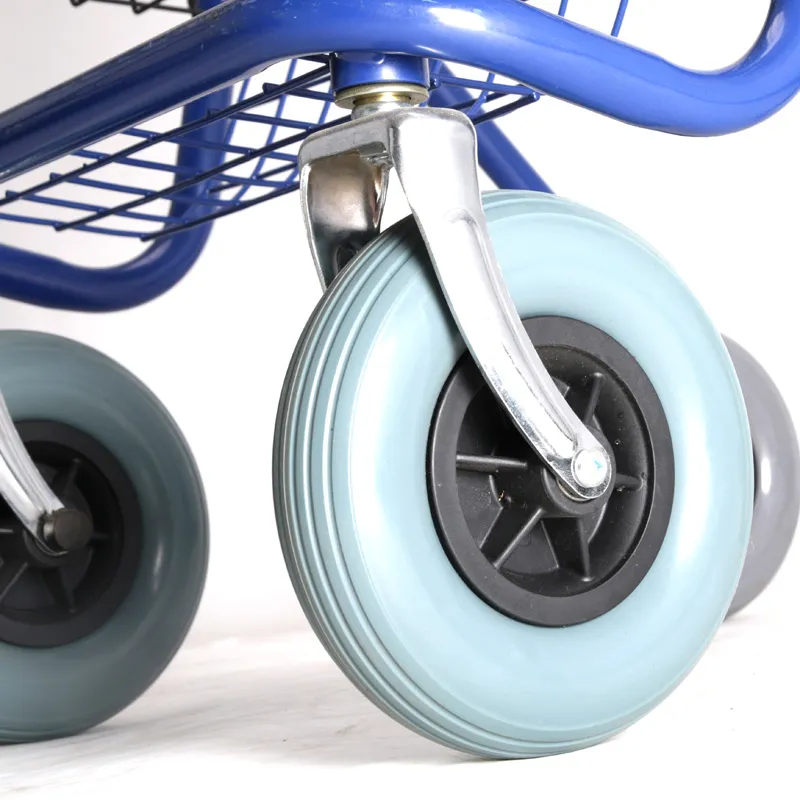
Is it safe to replace the wheels on a 4-wheel walker?
1. It is safe when done correctly
When installed following the proper steps and using wheels that match the original specifications, replacing the wheels does not compromise the safety of the walker.
Proper installation can even restore the walker to optimal condition, making it easier to push and improving stability.
2. Incorrect replacement may pose safety risks
Using wheels of the wrong size or installing them improperly can lead to:
• The walker tilting;
• Uneven stress on the wheel axles;
• Steering misalignment;
• Instability while pushing or an increased risk of falling.
Therefore, when replacing wheels on a 4-wheel rollator walker, ensure the size and attachment method match the original specifications.
Why replace the wheels on a 4-wheel walker?
Walker wheels are subject to constant friction with the ground; even high-quality wheels have a natural wear-and-tear cycle.
The following situations indicate that the wheels need replacement:
1. Severe tire wear
A smooth tread or the appearance of cracks reduces traction, making the walker prone to slipping, especially on wet or slick surfaces.
2. Difficulty pushing
If the wheels are hard to turn or make unusual noises, the bearings may be rusted or damaged; replacing the wheels can significantly improve the pushing experience.
3. Loose or wobbly wheels
Loose bearings or missing mounting screws can affect the walker's balance and should be addressed promptly.
4. Cracked or deformed tires
Rubber tires can age quickly in high temperatures or direct sunlight; deformation can compromise stability.
Regularly checking the condition of the wheels is crucial for extending the lifespan of your 4-wheel rollator walker.
What should you know before replacing the wheels?
Before starting, familiarize yourself with the wheel attachment method and structural features of the walker.
1. Understand the wheel attachment structure
Most 4-wheel rollator walkers use the following structure:
• Front wheels: Connected to a fork bracket via an axle. The fork bracket connects to the frame, allowing the wheel to rotate freely.
• Rear wheels: Secured to the end of the frame with bolts or pins; some models include a brake linkage.
Tip: You do not need to remove the fork bracket when replacing the wheels. Simply remove the axle screw or retaining clip to take the wheel off.
2. Confirm the wheel size
Wheel diameter is the key factor when selecting replacement wheels.
Common specifications include:
• 6 inches;
• 8 inches;
• 10 inches.
Please purchase wheels that match the original specifications; otherwise, the ride height and balance may be affected.
3. Check the bearing type
Some walkers use sealed bearings, while others use open bearings.
If the types differ, the new wheel may not install correctly.
4. Confirm tire material
• Solid tires: No inflation required; wear-resistant and maintenance-free;
• Pneumatic (air-filled) tires: Good shock absorption, but require periodic inflation.
If you wish to maintain the same feel as the original, choose the same type.
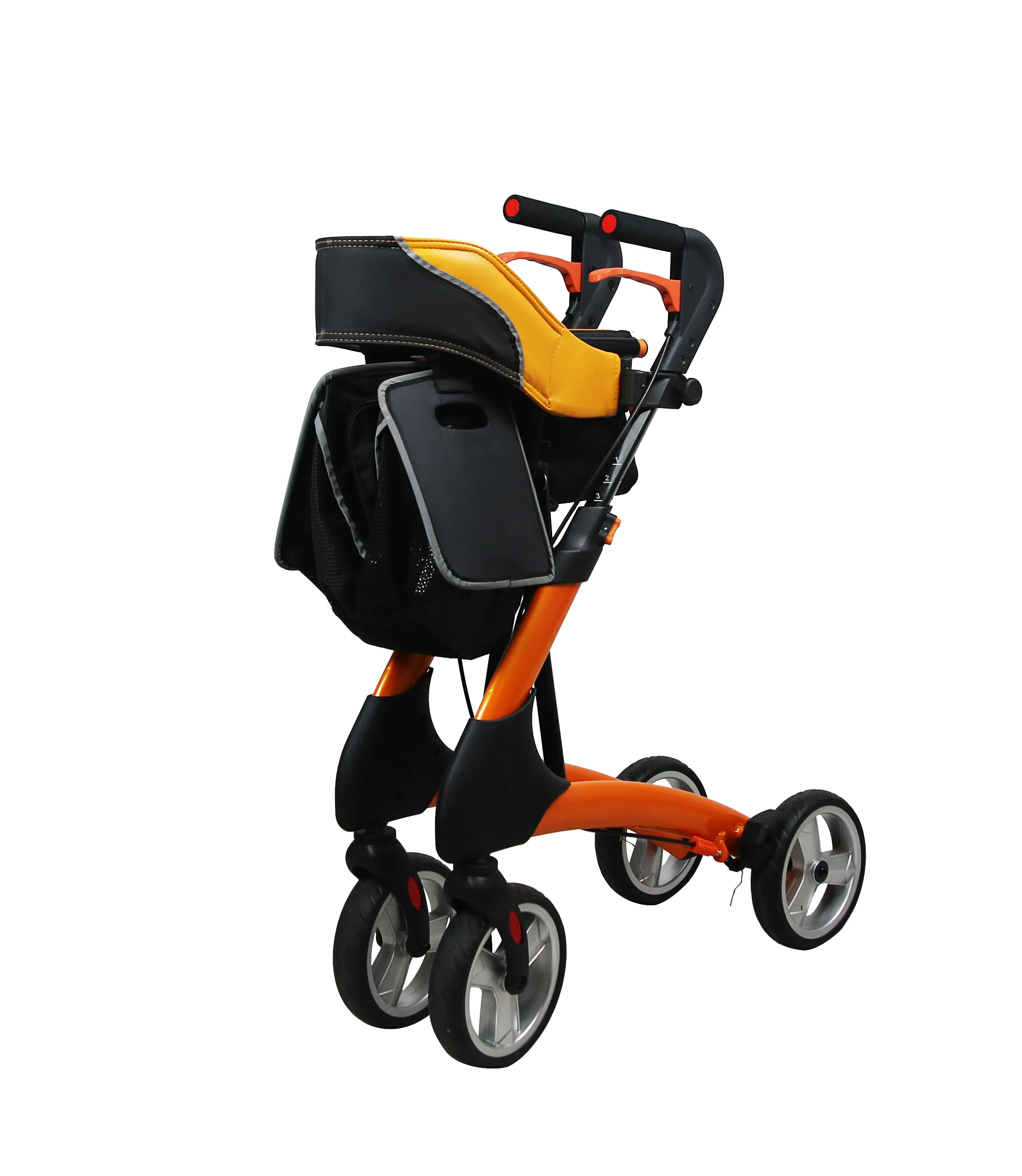
Can I replace the wheels on a 4-wheel walker myself?
1. Situations where DIY replacement is possible
If you have basic DIY skills and the walker features a quick-release or screw-fastened design, you can certainly replace the wheels yourself. The tools usually required are:
• Wrench (for removing/tightening nuts);
• Screwdriver;
• Lubricant or anti-rust spray.
2. Situations where professional help is recommended
Professional replacement is recommended in the following cases:
• The walker has a complex braking system;
• Brake cables are connected to the rear wheels;
• The user is elderly or lacks sufficient hand strength;
• The new wheel does not exactly match the original specifications.
Professional servicing ensures installation precision and safety during use.
What are the correct steps for replacing 4-wheel walker wheels?
The following is the standard replacement procedure applicable to most 4-wheel rollator walkers:
Step 1: Preparation
• Place the walker on a stable, level surface;
• Engage the brakes to prevent sliding;
• Place a towel on the ground to prevent scratching the frame.
Step 2: Remove the old wheel
• Use a wrench to unscrew the axle nut;
• Gently pull out the axle;
• Remove the old wheel;
• Clean away any dust or rust from the mounting point.
Note: There is no need to remove the fork bracket; the wheel can be removed independently.
Step 3: Install the new wheels
• Align the new wheel with the axle;
• Insert the axle rod and secure the nut;
• Ensure the wheel spins freely without wobbling.
Step 4: Inspection and lubrication
• Spin the wheel a few times to ensure smooth rotation;
• Apply a small amount of lubricant to the bearings;
• Check the brake function (if replacing rear wheels).
Step 5: Safety test
After replacement, push the walker for a few meters to test stability and steering. If there is any veering or resistance, re-check the installation.
What should you consider when choosing replacement wheels for a 4-wheel walker?
Selecting the right wheel is key to a successful replacement; consider the following factors:
1. Consistent dimensions
The diameter and width must match the original wheels; otherwise, the rollator walker may tilt or the brakes may operate unevenly.
2. Material compatibility
• Rubber wheels: Wear-resistant and quiet; suitable for indoor use;
• PU wheels (polyurethane): Superior wear resistance; suitable for both indoor and outdoor use;
• Pneumatic tires: Good shock absorption; suitable for outdoor terrain.
Choose the material based on the intended usage environment.
3. Bearing quality
High-quality bearings ensure smoother movement and a longer service life. Low-quality bearings can make pushing difficult or cause the wheels to stick.
4. Brake system compatibility
When replacing rear wheels, pay special attention to whether the wheel hub structure supports the original brake components.
How do you know if a 4-wheel rollator walker's wheels need replacing?
Regular inspection is the first step toward safety.
The following signs indicate a need for replacement:
• The tire tread is visibly worn smooth;
• Unusual noise or vibration occurs while pushing;
• The wheel wobbles or feels loose;
• Braking distance increases;
• Signs of rust appear on the bearings;
• The rubber is aging, cracking, or peeling off.
If any of these conditions occur, replace the wheels promptly.
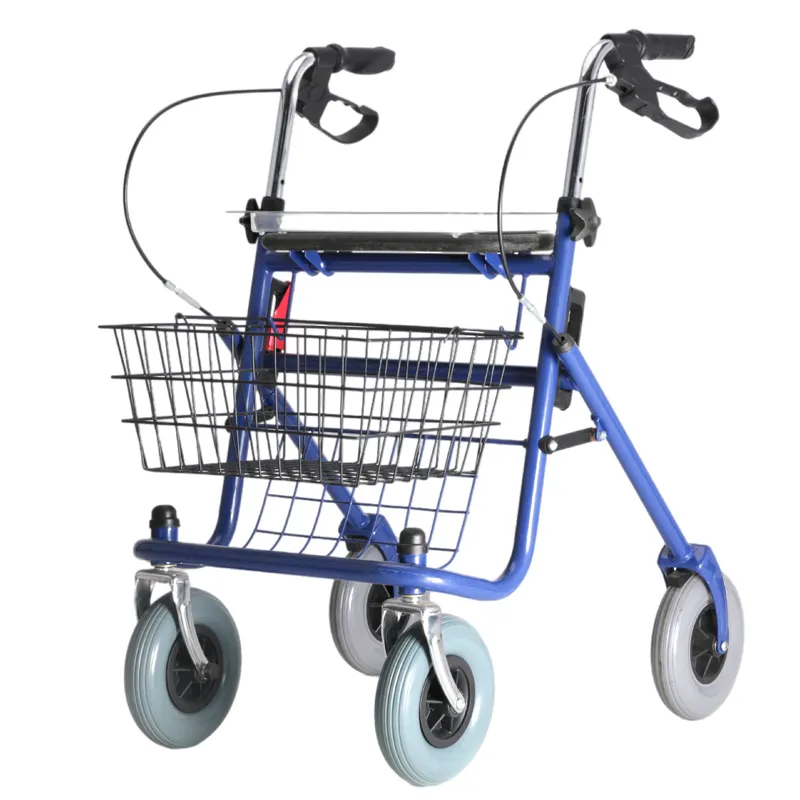
What should you keep in mind after replacing the wheels?
1. Avoid pushing at high speeds initially
New wheels have smoother surfaces and slightly lower initial traction; use the walker slowly at first to allow for adjustment.
2. Regularly check and tighten screws
It is recommended to re-tighten the wheel axle nuts one week after replacement to prevent them from coming loose.
3. Pay attention to brake adjustment
After replacing the rear wheels, the braking system may become slightly misaligned; the brake cables may need readjustment.
4. Maintain cleanliness and lubrication
Clean off mud and debris to prevent them from getting stuck in the wheel axle; apply a small amount of lubricant monthly to extend the wheels' lifespan.
How can I extend the lifespan of 4-wheel rollator walker wheels?
Even with new wheels, proper use and maintenance remain crucial.
1. Avoid use on rough or sharp surfaces
Sharp stones or curbs can accelerate tire wear and affect balance.
2. Regular cleaning
Wipe the tire surfaces and the areas where the bearings connect after every outdoor use to prevent dust accumulation.
3. Keep bearings lubricated
Lightly spray the bearing areas with anti-rust spray or silicone oil to help prevent rust.
4. Avoid prolonged exposure to high heat or direct sunlight
Rubber tires can harden and crack if exposed to intense sunlight for extended periods.
5. Ensure even weight distribution
Keep all four wheels on the ground while pushing the walker; avoid putting weight on only one side, which can accelerate wear.
Can I replace the wheels on a 4-wheel walker with a different model?
Generally, this is not recommended.
Wheel size, axle diameter, hub structure, and load-bearing design are all matched to the specific walker model. Unauthorized replacement with different wheel models may result in:
• Misaligned brakes;
• A tilted walker;
• Unstable handling.
If you truly need to change specifications, consult the manufacturer or a professional technician first to confirm compatibility.
FAQ
Are special tools required to replace 4-wheel rollator walker wheels?
Usually not. Standard wrenches or hex keys are sufficient for the replacement.
If one wheel on a 4-wheel rollator walker is damaged, can I replace just that one?
You can, but replacing them in pairs is recommended to ensure balance and stability during use.
Can front wheels and rear wheels be interchanged?
Usually not. The structures differ; front wheels are designed for steering, while rear wheels bear the load and connect to the braking system.
What should I do if the 4-wheel walker pulls to one side after replacing the wheels?
This may be caused by the wheel axle being off-center or slight differences in wheel diameter; you should readjust the installation or replace the wheel with a compatible one.
Can I install different types of wheels on a 4-wheel rollator walker?
Unauthorized modifications are not recommended. Wheels must be compatible with the frame and braking system; otherwise, safety risks may arise.
Replace Wheels Correctly to Ensure Your 4-Wheel Walker Remains Safe and Durable
In general, the wheels on a 4-wheel walker can be replaced. By following the correct procedures and selecting wheels with the same specifications as the originals, you can restore the walker's smooth movement and stability.
Keep the following points in mind during replacement:
• Understand the wheel connection structure (front wheels connect to the fork bracket via an axle; the fork bracket itself does not need to be removed);
• Select replacement wheels that match the original size, material, and bearing specifications;
• Test balance and braking performance after installation;
• Perform regular maintenance to prevent rust and aging.
Proper maintenance and timely replacement not only extend the lifespan of the 4-wheel walker but also ensure the user's safety and comfort while walking.