
Cerebral palsy (CP) is a disorder of movement and posture caused by damage to the developing brain. While the condition itself does not worsen over time, its impact on motor control, balance, and muscle coordination can be lifelong.
Among the questions most frequently asked by parents or caregivers, "Can children with cerebral palsy walk normally?" is almost always at the top of the list.
In reality, not all children with cerebral palsy are unable to walk. With appropriate rehabilitation and assistive devices, some children can achieve independent walking, while others rely on aids—such as walkers or specialized wheelchairs—to maintain mobility and perform daily activities.
This article provides a professional, systematic overview of the walking abilities of children with cerebral palsy, the factors that influence them, and the principles for the scientific use of assistive devices.
What is cerebral palsy? Why does it affect walking?
Cerebral palsy (CP) is a neurological condition caused by damage to the brain during its early development (e.g., due to oxygen deprivation, infection, or hemorrhage). It primarily affects motor control and muscle coordination but does not directly damage the muscles themselves.
Walking is a complex action requiring precise coordination between the brain, cerebellum, spinal cord, muscles, and joints.
Children with cerebral palsy often face difficulties walking because the areas of the brain responsible for motor control are damaged, leading to:
• Abnormal muscle tone — muscles that are too tight (spastic type) or too loose (flaccid type);
• Impaired balance and coordination — inability to maintain an upright posture;
• Limited joint mobility — joint stiffness or deformity;
• Impaired postural control — inability to voluntarily adjust one's center of gravity.
Therefore, walking ability is not simply a matter of "can" or "cannot"; rather, it is determined by the severity of the impairment and the child's physical control capabilities.
Are all children with cerebral palsy unable to walk?
No.
Whether a child with cerebral palsy can walk depends on the type of condition, the extent of the brain damage, and the timing of rehabilitation interventions.
1. Different types of cerebral palsy have different impacts
Cerebral palsy can be classified into several types, each affecting walking ability to varying degrees:
Type | Key Characteristics | Impact on Walking
Spastic cerebral palsy | Tight muscles, stiff movements | Most common; walking is slow but can improve with training
Athetoid cerebral palsy | Involuntary movements, fluctuating muscle tone | Requires walking aids
Ataxic cerebral palsy | Poor balance and coordination | Prone to falls; unsteady gait
Mixed cerebral palsy | Overlap of characteristics from multiple types | More complex walking difficulties
Some children with mild cerebral palsy can achieve independent short-distance walking through early intervention and the use of assistive devices, whereas those with moderate to severe cases may require walking aids or specialized wheelchairs to maintain mobility.
What factors determine whether a child with cerebral palsy can walk?
1. Location and severity of neurological damage
The core issue in cerebral palsy is impaired neurological control. If the damage to the motor cortex is limited, preserving relatively good lower-limb function, the child may be able to walk partially or fully independently.
2. Muscle tone status
• High muscle tone (hypertonia) leads to leg stiffness and abnormal gait;
• Low muscle tone (hypotonia) results in physical weakness and poor balance.
• Both conditions may require walking aids to stabilize the body.
3. Joint and skeletal development
Prolonged muscle tension can lead to tendon contractures, hip dislocation, or knee deformities, all of which affect gait and standing posture.
4. Rehabilitation training and use of assistive devices
Early physical therapy, postural correction, and the proper use of assistive devices (such as specialized wheelchairs and walking aids) can significantly improve walking ability and independence in daily life.
5. Cognitive and communication abilities
Some children with cerebral palsy also have intellectual disabilities or comprehension difficulties; this can affect their cooperation during rehabilitation training and indirectly impact the development of walking ability.
Which children with cerebral palsy can walk?
Not all children with cerebral palsy are entirely dependent on wheelchairs. According to the internationally recognized GMFCS (Gross Motor Function Classification System), children with cerebral palsy are categorized into five levels:
Level | Description of Walking Ability
Level I | Can walk independently indoors and outdoors; running and jumping abilities are slightly impaired.
Level II | Can walk independently but requires assistance on uneven ground or for long distances.
Level III | Requires assistive devices (such as walkers) to walk.
Level IV | Relies primarily on a wheelchair for mobility; capable of limited standing.
Level V | Requires full reliance on a wheelchair and caregiver assistance.
Therefore, children with cerebral palsy at Levels I through III can usually achieve some degree of independent walking, whereas those at Levels IV and V rely on wheelchairs and rehabilitation support to maintain daily mobility.
How do walkers help children with cerebral palsy walk?
1. Core function of walkers
Walkers are essential devices that help children with cerebral palsy establish balance and practice their gait.
With a stable frame structure, they provide trunk and pelvic support while the child walks, preventing falls.
2. Main types of walkers
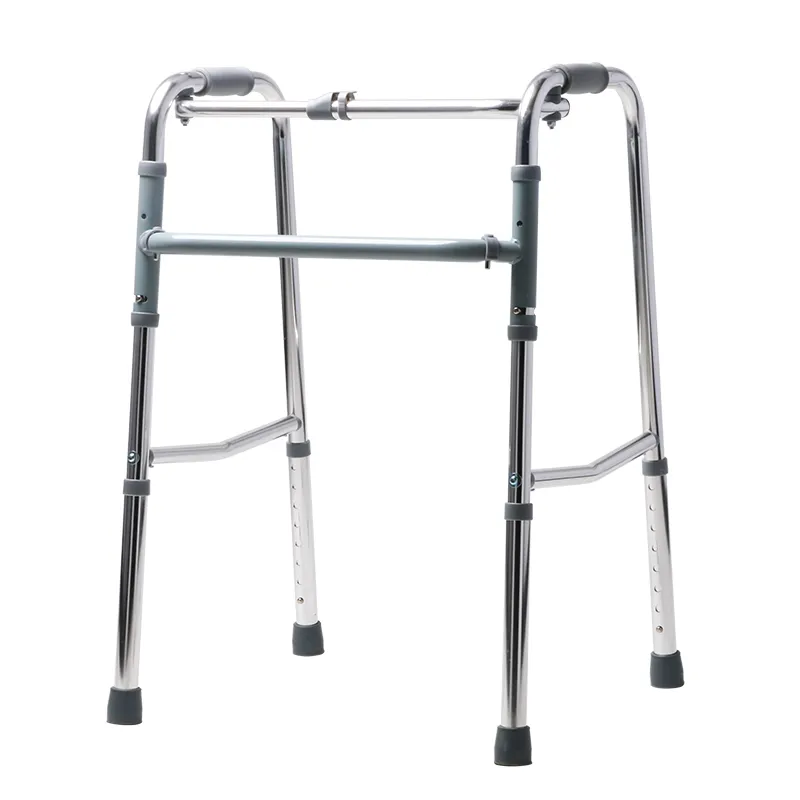
• Non-wheeled walkers: Most stable; suitable for initial training.
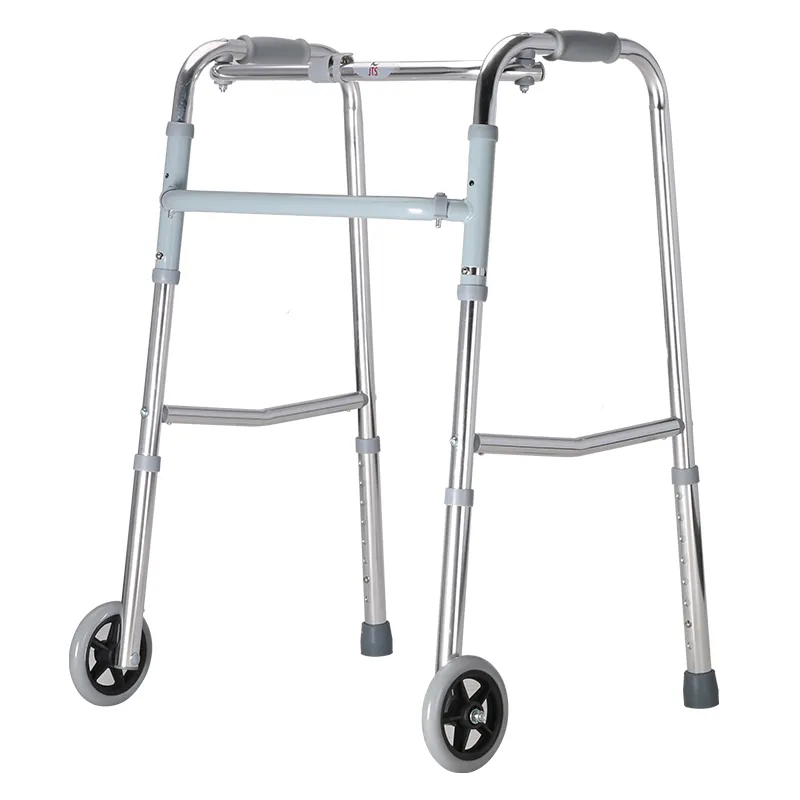
• Two-wheeled walkers: Provide partial balance support.
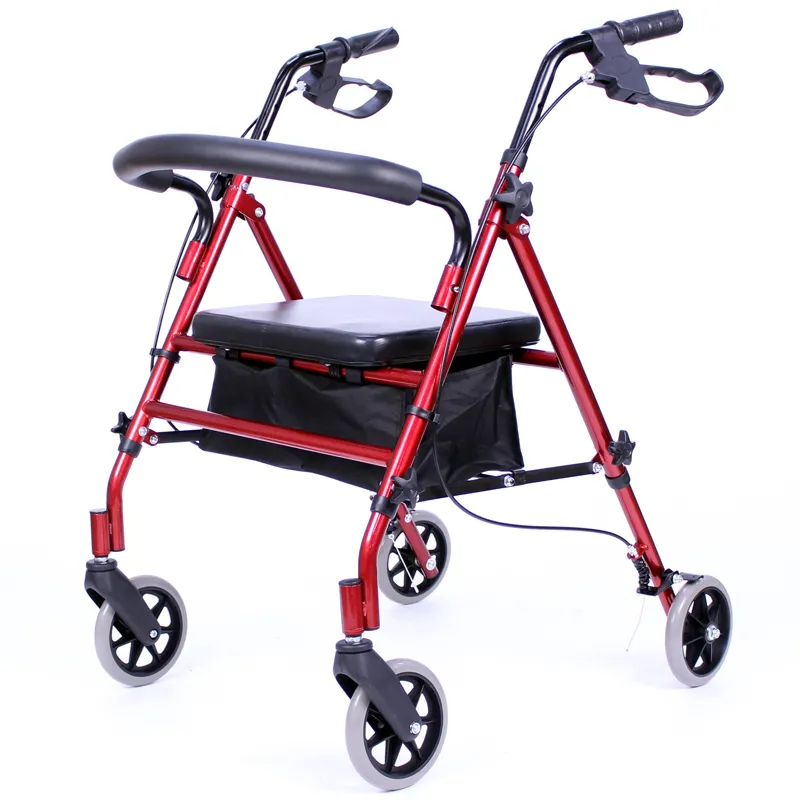
• Four-wheeled walkers: Used for moving on flat surfaces and walking for extended periods.
3. Benefits of using walkers
• Improves body balance and weight shifting;
• Strengthens lower-limb muscles;
• Helps establish a correct gait;
• Boosts the child's confidence and independence in walking.
4. Precautions for using walkers
• Selection should be based on an assessment of the child's height and strength by a rehabilitation therapist;
• The ground surface should be level and non-slip;
• Initial training sessions should be supervised by an adult;
• Gradually increase usage time to avoid fatigue.
A walker is not a substitute for walking itself, but rather a key tool to help the child re-establish the "sensation of walking."
What role do wheelchairs for cerebral palsy play when walking ability is limited?
1. Why are wheelchairs for cerebral palsy needed?
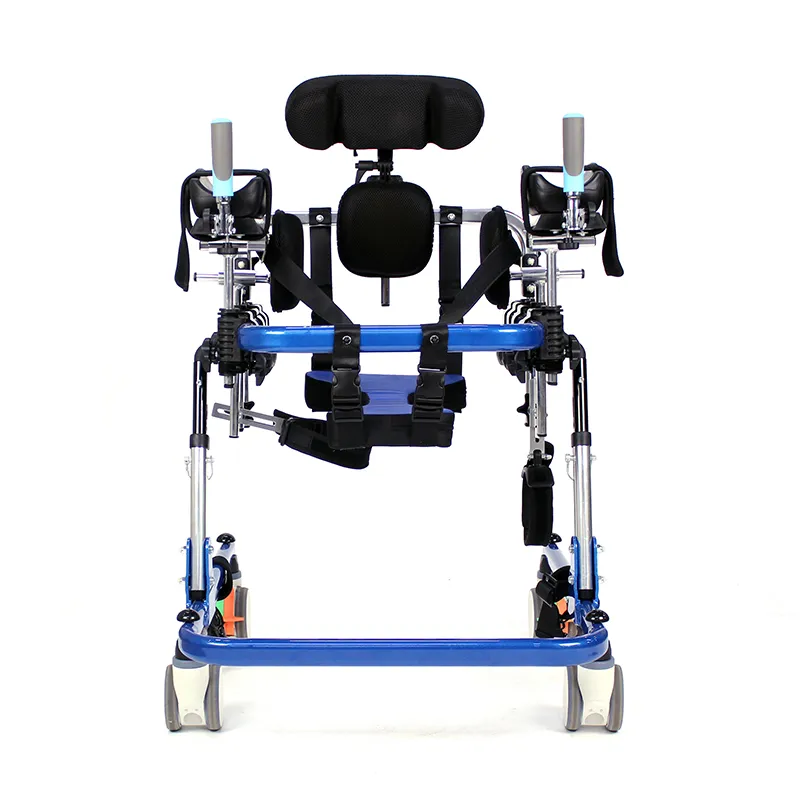
When a child's balance, postural control, or muscle strength is insufficient to support independent walking, a wheelchair designed for cerebral palsy becomes essential for safe mobility. It is not merely a means of transport but also a postural support device; it stabilizes the body, prevents deformity, and enables the child to participate comfortably in daily activities.
2. Key features of wheelchairs for children with cerebral palsy
• Comprehensive support systems for the head, trunk, and pelvis;
• Adjustable backrest and seat cushion structures;
• Multi-point safety harnesses to prevent slipping;
• Pressure-relieving materials used for seat cushions;
• Tilt and recline functions to help relax muscles.
3. Benefits of using wheelchairs for children with cerebral palsy
• Reduces strain and fatigue in the lower limbs;
• Prevents postural abnormalities and joint deformities;
• Promotes respiratory and digestive function;
• Increases independence in daily activities;
• Eases the burden of caregiving.
When a child is temporarily or permanently unable to walk, a wheelchair designed for cerebral palsy offers the safest option for mobility and postural support.
How can children with cerebral palsy safely engage in gait training?
Gait training requires a gradual, step-by-step approach. The following are scientifically sound steps commonly used in rehabilitation:
• Postural preparation: Strengthening core muscles through sitting and standing exercises;
• Weight-shifting exercises: Teaching the child to shift weight from side to side with support;
• Assisted walking with a walker: Establishing a gait pattern with the support of a stable frame;
• Lower-limb orthotic support: Using orthoses to improve ankle and knee alignment;
• Independent short-distance walking: Gradually reducing external support.
The entire process should be conducted under the guidance of a rehabilitation therapist to avoid forced training or excessive fatigue.
How do you choose the right assistive devices for children with cerebral palsy?
1. Criteria for selecting a walker
• Device height matches the child's height and arm length;
• Stable frame with appropriate weight;
• Support position aligned with the center of the pelvis;
• Wheels equipped with anti-slip features and brakes.
2. Criteria for selecting a wheelchair for cerebral palsy
• Seat width, backrest height, and footrest length customized to the child;
• Good support and comfort;
• Seat cushion designed to prevent pressure sores;
• Reliable safety harness and braking systems.
The correct selection and adjustment of assistive devices can determine the quality of rehabilitation outcomes. Therefore, purchases should be made following an assessment by a professional rehabilitation facility rather than on a whim.
What should parents keep in mind during daily care?
• Maintain a consistent training routine: Practice walking and posture at fixed times each day;
• Monitor for fatigue and pain: Ensure the child rests immediately if any discomfort arises;
• Prevent slips and falls: Keep the environment safe and ensure floors are non-slip;
• Encourage participation: Make training fun to avoid resistance;
• Incorporate the use of a cerebral palsy wheelchair: Switch from walking to the wheelchair during periods of fatigue or for long distances.
The core principles of rehabilitation and care are safety, comfort, and consistency, rather than speed or intensity.
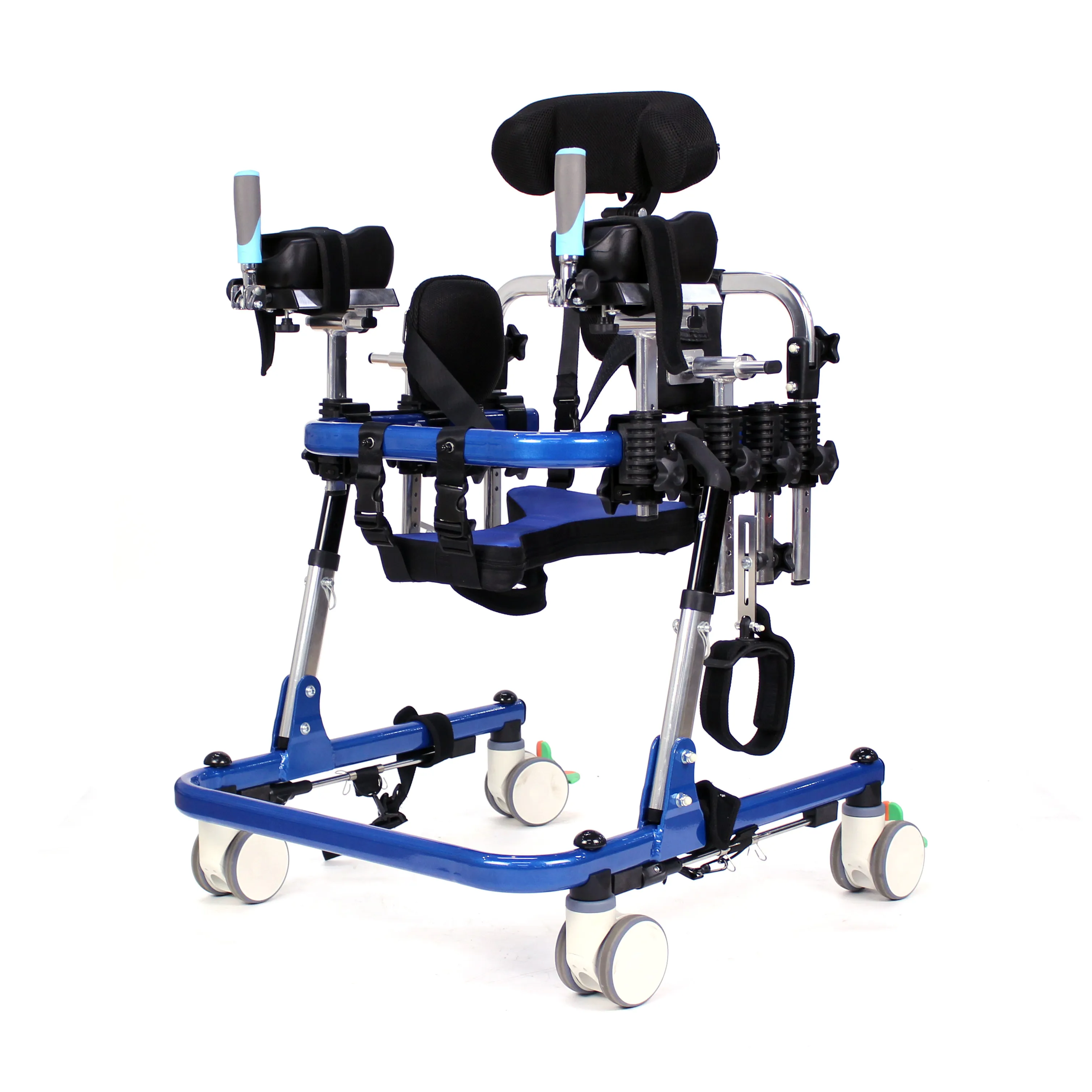
Whether a Child with Cerebral Palsy Can Walk Depends on Multiple Factors
"Can children with cerebral palsy walk normally?"
— There is no single answer to this question.
Some children with cerebral palsy can achieve independent walking through rehabilitation and training, while others rely on walkers or cerebral palsy wheelchairs to move around safely.
Key factors influencing walking ability include:
• The severity of neurological impairment;
• Muscle tone control;
• Joint flexibility;
• Rehabilitation training and the use of assistive devices;
• Family and professional support.
Most importantly, regardless of whether a child can walk independently, the right combination of cerebral palsy wheelchairs and walkers enables them to participate safely and confidently in daily life and learning, fostering a healthy environment for physical and psychological growth.