

When people experience difficulty walking due to old age, injury, or illness, the first assistive device that comes to mind is often a rollator. A rollator provides stable support, allowing users to maintain a certain level of mobility while increasing their sense of security. However, as mobility impairment worsens, a rollator alone may no longer meet their travel and daily living needs.
At this point, wheelchairs—especially electric and manual wheelchairs—become a more comprehensive and efficient option.
This article will systematically analyze: Why is a wheelchair an ideal alternative to a rollator? What are the advantages and disadvantages of electric and manual wheelchairs? And how should one choose the most suitable type based on their individual circumstances?
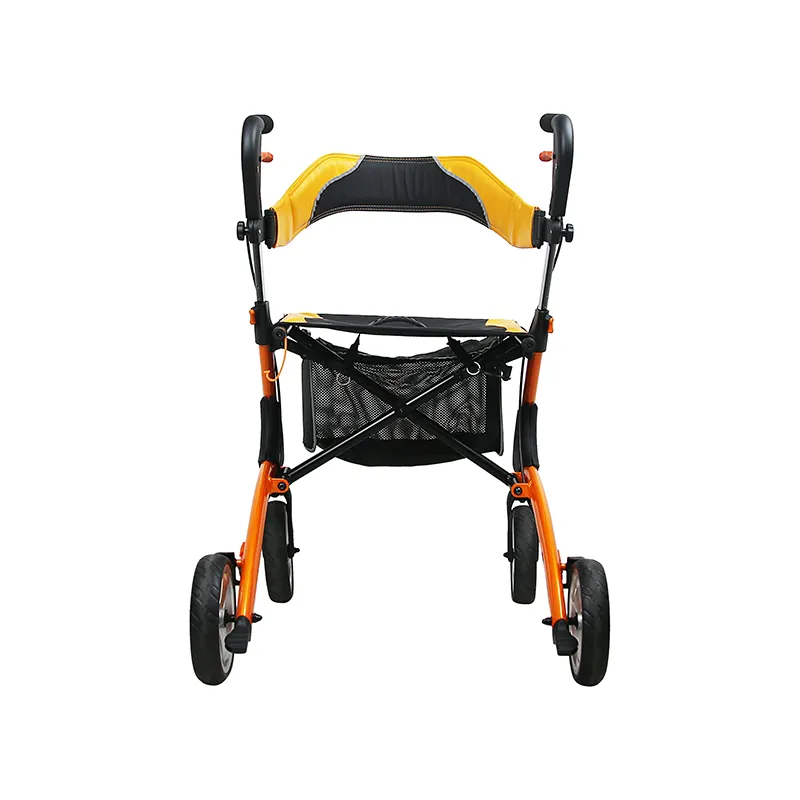
Why are some people no longer suitable for using a rollator?
A rollator is a common walking assistance device, especially a four-wheeled rollator, which provides additional balance support, allowing people with mild mobility impairments to walk independently. However, a rollator is not suitable for all people with mobility impairments.
In the following situations, a rollator may not meet the needs:
1. Severely impaired balance
When a user cannot stably control their center of gravity, they are prone to falling even when using a rollator.
2. Insufficient Upper Limb Strength
Rollators require the user to support their body weight with their arms and propel themselves forward. If the upper limbs are weak, operation becomes difficult.
3. Lower Limb Weakness or Severe Pain
If leg strength is significantly reduced, prolonged walking will lead to fatigue or pain.
4. Need for Extended Travel or Outdoor Activities
Rollators are primarily designed for short-distance walking assistance. For users needing to travel long distances or move independently, wheelchairs are more suitable.
In summary, when the support function of a rollator cannot meet mobility needs, a wheelchair becomes a more stable and energy-efficient option.
Besides rollators, what types of wheelchairs are there?
Wheelchairs are mainly divided into two categories based on their propulsion method: manual wheelchairs and electric wheelchairs. The differences lie in their operation, functional design, and target audience.
1. Manual Wheelchairs
Manual wheelchairs rely on the user's own arm strength to propel the rear wheels forward, or can be pushed from behind by a caregiver. They have a simple structure, are lightweight, and are the traditional and most common type of wheelchair.
Common manual wheelchairs include:
Standard manual wheelchairs: Suitable for short-term use or transfers within a hospital.
Lightweight Foldable Wheelchair: Foldable for easy storage and portability.
Nursing Manual Wheelchair: Moved by a caregiver.
Functional Manual Wheelchair: Features a reclining backrest or adjustable footrest, suitable for extended periods of time.
2. Electric Wheelchairs
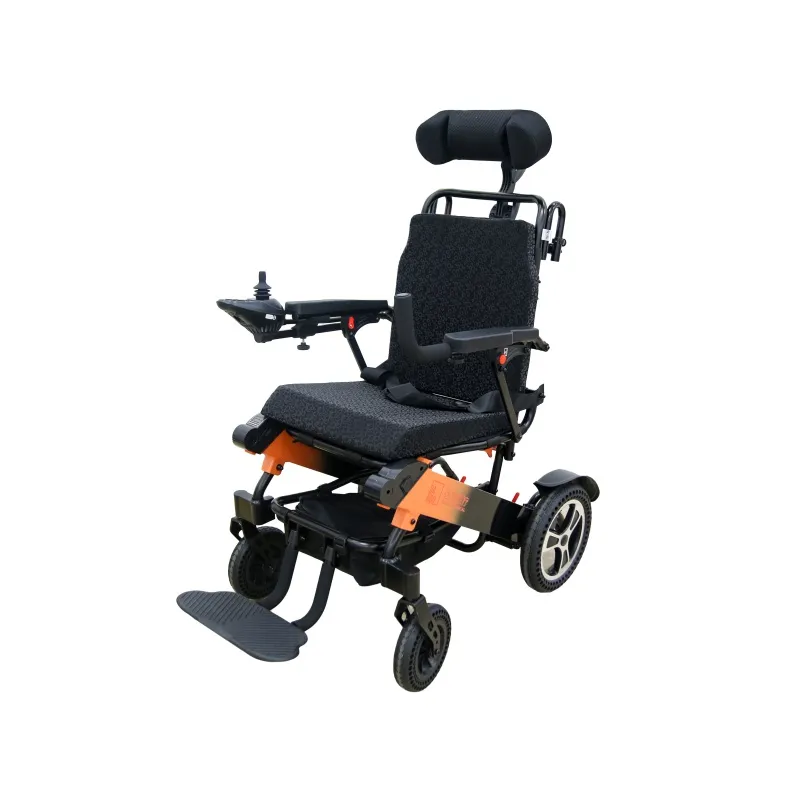
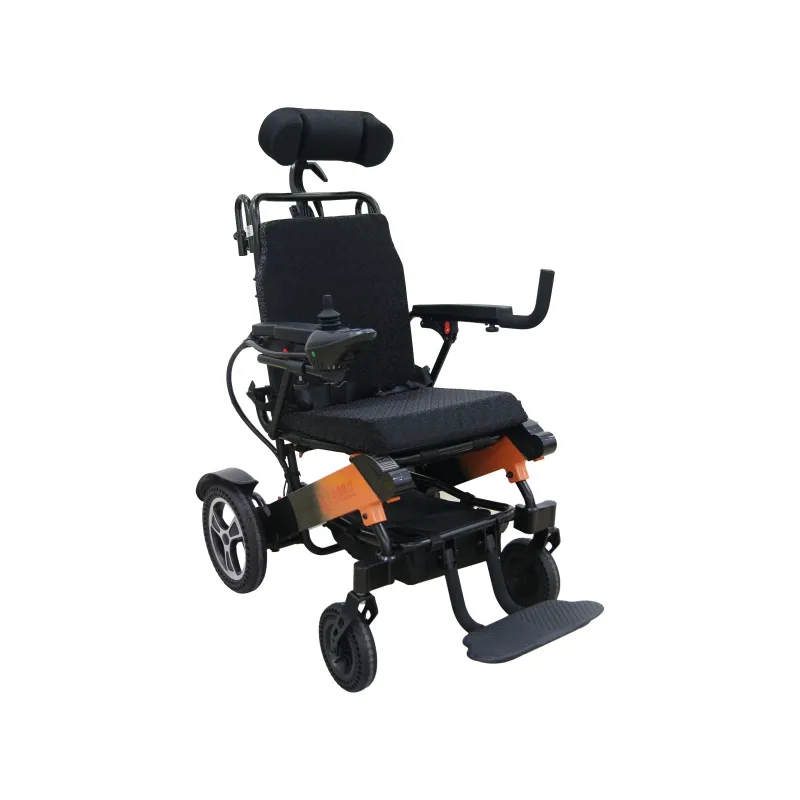
Electric wheelchairs are equipped with an electric drive system and controller. Users can move forward, backward, and turn using a joystick or buttons. They offer great convenience to people with upper limb weakness who need to travel independently for extended periods.
Common Types of Electric Wheelchairs:
Basic Electric Wheelchair: For moving on flat indoor surfaces.
Foldable Electric Wheelchair: Lightweight and flexible, suitable for home use.
Full-Function Electric Wheelchair: Equipped with tilting, lifting, and shock absorption systems, suitable for people with severe mobility impairments.
Rear-Drive or Mid-Drive Electric Wheelchair: Stable ride, suitable for various terrains.
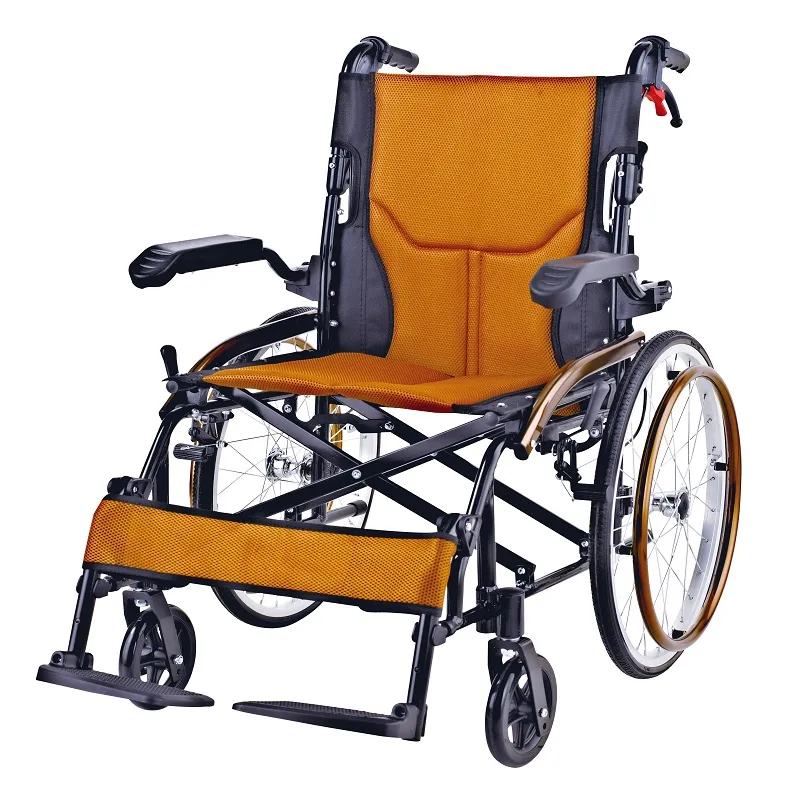
Advantages and Suitable Users of Manual Wheelchairs?
1. Structural Advantages of Manual Wheelchairs
Lightweight and Flexible: Most are foldable, easy to fit in a car trunk.
Simple Maintenance: No power supply or complex circuitry required.
Economical and practical: Lower price and lower maintenance costs.
Widely applicable: Suitable for hospitals, homes, and rehabilitation facilities.
2. Who are manual wheelchairs suitable for?
Those with sufficient upper limb strength to push the wheelchair;
Those with temporary injuries, post-operative rehabilitation, or short-term difficulty walking;
Patients accompanied by caregivers and requiring frequent transfers.
3. Precautions for using a manual wheelchair
Ensure the rear wheel brakes are working properly;
Use a seat cushion for extended periods to prevent pressure sores;
Be aware of obstacles ahead when pushing and avoid sudden stops;
Regularly check the tires and bearings.
Manual wheelchairs are the preferred choice for most patients in the early stages of rehabilitation. They are simple in structure, safe, reliable, and suitable for various scenarios.
What are the advantages of electric wheelchairs compared to manual wheelchairs?
When physical condition no longer allows for manual wheelchair pushing, electric wheelchairs become a more effortless and intelligent option.
1. Main advantages of electric wheelchairs
Effortless operation: Movement is achieved by controlling a joystick, requiring almost no physical strength.
Stable driving: Most electric wheelchairs are equipped with anti-tipping systems and shock-absorbing structures to ensure stability.
Strong Battery Life: Battery range is typically 15-30 kilometers, sufficient for daily commutes.
Multi-functional Adjustment: The seat can be raised, lowered, and tilted for enhanced comfort.
Wideer Range of Users: Suitable for those with upper limb weakness, total paralysis, or chronic illnesses.
2. Types and Usage Scenarios of Electric Wheelchairs
Indoor Type: Compact structure, small turning radius, suitable for home environments.
Outdoor Type: Larger tires, powerful motor, adaptable to uneven terrain.
Folding and Portable Type: Can be packed into a car, suitable for frequent travelers.
Medical and Rehabilitation Type: Features posture adjustment and headrest support, suitable for long-term use.
3. Precautions for Electric Wheelchairs
Charge regularly to avoid over-discharging the battery;
Avoid wading through water or making sharp turns on slopes;
Check the control system, brakes, and motor for proper functioning;
Familiarize yourself with operation on level ground for first-time users.
Electric wheelchairs have enabled many people with mobility impairments to regain their independence and are an ideal upgrade from rollators.
Is an Electric Wheelchair or a Manual Wheelchair More Suitable?
1. Determine based on user's physical condition
Condition | Recommended Type | Description
Stronger upper limb strength | Manual wheelchair | Self-propelled, flexible control
Insufficient upper limb strength | Electric wheelchair | Simple operation, effortless
Complete disability | Electric wheelchair | Can be remotely controlled by caregivers
Rehabilitation training stage | Manual wheelchair | Can enhance upper limb strength
Extended outdoor activities | Electric wheelchair | Long battery life, high comfort
2. Determine based on environment and usage needs
Smaller home space → Manual wheelchair is more flexible;
Need to go shopping or commuting → Electric wheelchair is more effortless;
With caregiver assistance → Manual wheelchair is sufficient;
Need complete independence → Electric wheelchair is the preferred choice.
3. Determine based on budget
Manual wheelchairs are generally cheaper, suitable for short-term use or those with limited budgets;
Electric wheelchairs are more expensive, but feature-rich and suitable for long-term users.
Why is a wheelchair the best alternative to a rollator?
While rollators are suitable for those with mild balance impairment, they cannot meet the long-term needs of those with moderate to severe mobility impairments. Wheelchairs, however, address these shortcomings in design:
1. Enhanced Stability: The four-wheeled chassis design provides complete body support on the seat, eliminating the need for manual balance.
2. Reduced Energy: Manual wheelchairs are controlled by sliding, while electric wheelchairs require almost no effort, reducing fatigue.
3. Long-Term Comfort: Most wheelchairs feature ergonomic backrests and cushions, suitable for all-day use.
4. Wider Range of Activities: Electric wheelchairs easily facilitate outdoor commutes, overcoming the distance limitations of rollators.
5. Wider Range of Users: Wheelchairs are available in models to suit everyone from those with mild disabilities to those with complete disabilities.
Therefore, whether in medical institutions, rehabilitation centers, or at home, wheelchairs are a rational alternative to rollators.
Safety and Maintenance Tips for Using Electric and Manual Wheelchairs
1. Safe Use
Ensure the ground is dry and level, avoiding slopes or obstacles;
Always lock the brakes before sitting down or getting up;
Do not modify the wheelchair structure arbitrarily;
Wear a seatbelt when traveling to prevent falls.
2. Routine Maintenance
Regularly check tire pressure and screw tightness;
Clean the seat cushion and keep it dry to prevent bacterial growth;
For electric wheelchairs, the battery should be charged and its charge checked regularly;
Keep the controller and wiring away from water to prevent short circuits.
Good maintenance habits can significantly extend the life of the wheelchair and ensure long-term stable use.
How to Scientifically Choose a Wheelchair Model and Size?
Determine the seat width and backrest height based on your height and weight;
Determine the wheel diameter based on the environment (smaller wheels are suitable for indoors, larger wheels for outdoors);
Check brake sensitivity and seat height adjustment range;
Trial sitting comfort: Ensure there is approximately 2-3 cm of space between your thighs and the front edge of the seat cushion;
Consult a professional or rehabilitation therapist to ensure the selected model matches your condition.
Scientific model selection not only affects comfort but also directly impacts safety and rehabilitation outcomes.
Why should buyers choose Dayang Medical as their supplier?
As a trusted manufacturer located in China’s Guangdong region, Dayang Medical stands out for its commitment to quality and innovation. The company operates advanced production bases and adheres to strict international standards such as ISO13485 and ISO9001. For buyers looking to purchase medical mobility equipment, Dayang offers reliable supply, stable pricing, and flexible customization services.