

In the modern medical environment, almost every intensive care unit (ICU) in hospitals is equipped with electric ICU hospital beds. These devices are similar in appearance to ordinary hospital beds, but their functions are more complex, often equipped with multiple motors, intelligent control systems, and medical-grade safety structures.
However, many people have questions about their nature: Are electric ICU beds considered medical devices?
This question seems simple, but from the perspectives of medical management, regulatory classification, and functional attributes, the answer requires analysis from multiple dimensions.
This article will systematically explain this issue from the aspects of the definition of medical devices, the functions and uses of electric ICU hospital beds, regulatory classification basis, and hospital usage requirements.
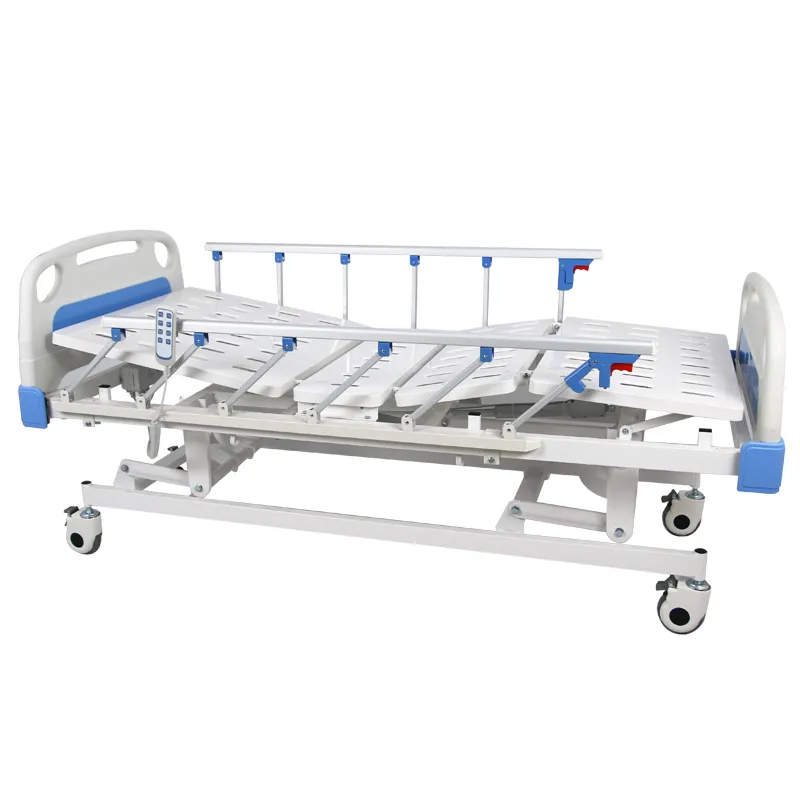
What are Medical Devices?
According to the standards of the World Health Organization (WHO) and China's "Regulations on the Supervision and Administration of Medical Devices":
Medical devices refer to instruments, equipment, appliances, materials, or other articles used alone or in combination, whose main function is not achieved through pharmacological, immunological, or metabolic means, but through physical means for the purpose of diagnosis, prevention, monitoring, treatment, or alleviation of diseases.
In other words, any equipment used for medical purposes that can directly or indirectly affect human health may be classified as a medical device.
The scope of medical devices is very broad, from thermometers and syringes to ventilators, operating tables, and hospital beds. As long as they have medical uses, they fall under the scope of medical device management.
What are the Main Functions of Electric ICU Beds?
Electric ICU beds are electrically adjustable medical beds specifically designed for patients in intensive care units (ICUs). They use a multi-motor drive system combined with a safety control circuit to achieve various posture adjustment functions such as bed surface lifting, back lifting, leg lifting, lateral tilting, and cardiac chair position.
Their purpose is not only for comfort, but also to facilitate medical care and life monitoring.
The main functions of electric ICU hospital beds include:
1. Posture Adjustment
The patient's body posture can be adjusted through the electric control system, facilitating breathing, circulation, and rehabilitation care.
2. Auxiliary Treatment and Monitoring
Used in conjunction with medical equipment such as ventilators, electrocardiogram monitors, and infusion stands to meet the treatment needs of critically ill patients.
3. Pressure Ulcer Prevention and Circulation Promotion
Through functions such as electric turning and angle adjustment, the bed reduces complications caused by prolonged bed rest.
4. Rescue and Emergency Support
Some models are equipped with a one-button "CPR position" or "emergency repositioning" function, facilitating emergency treatment by medical staff.
5. Nursing Convenience
Through bed height adjustment, the burden on nurses during nursing operations such as turning, changing dressings, and feeding is reduced.
These functions directly serve the core medical process of "disease monitoring and treatment," therefore, from a functional perspective, electric ICU hospital beds clearly fall under the category of medical devices.
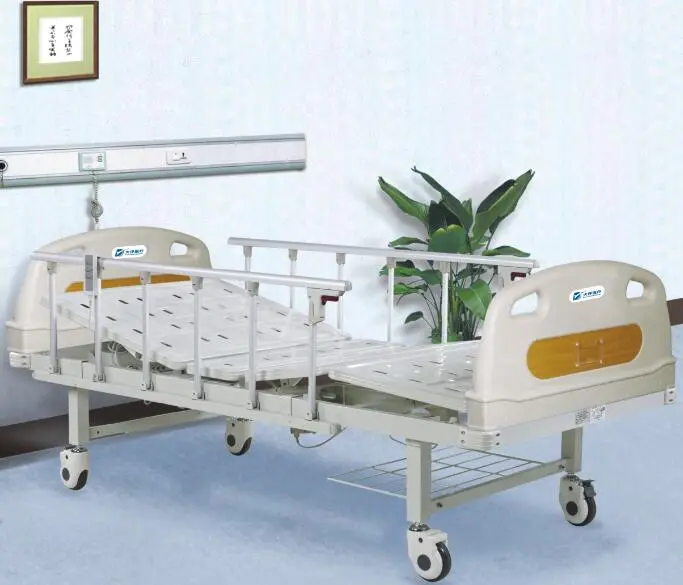
Does the electric ICU bed fall under the scope of medical device management?
1. From a legal definition perspective
According to the definitions of the China National Medical Products Administration (NMPA) and the medical device management systems of European and American countries, a device can be considered a medical device if it meets the following characteristics:
• Used for disease treatment, monitoring, or rehabilitation;
• In direct contact with the patient's body;
• Used for professional medical purposes in a medical institution;
• Has a potential impact on the patient's life safety.
The electric ICU hospital bed meets all of the above conditions.
It not only directly supports the patient's body but also participates in key operations during the medical process (such as posture adjustment, respiratory assistance, and pressure ulcer prevention).
Therefore, regardless of its purpose of use, physical function, or regulatory requirements, it is a medical device.
2. Basis for Medical Device Classification
In the medical device regulatory system, different countries have slightly different classification standards for devices, but the core logic is consistent:
• Class I devices: Low risk, such as medical dressings and stethoscopes;
• Class II devices: Have a certain risk and require control, such as monitors and infusion pumps;
• Class III devices: High risk, with a direct impact on human life safety, such as ventilators and implantable devices.
Electric ICU beds are generally classified as Class II medical devices for the following reasons:
• Direct contact with the patient;
• Provides auxiliary medical functions in clinical treatment and nursing;
• If a malfunction occurs, it may affect patient safety. Therefore, in most countries, electric ICU hospital beds require relevant medical device registration or filing certificates before they can be sold and used.
Why must electric ICU beds be managed as medical devices?
1. Related to patient safety
Electric ICU hospital beds bear the weight of critically ill patients and life support equipment. If improperly designed or if electrical malfunctions occur, it could lead to serious consequences such as falls, electric shock, or suffocation.
Therefore, regulatory agencies must ensure that their structural strength, electrical safety, and anti-pinch systems meet medical standards.
2. Involved in medical procedures
Electric ICU hospital beds are not only used for rest but also serve as a platform for medical procedures.
From turning and nursing care to ventilator management and cardiopulmonary resuscitation positioning, their stability and accuracy are crucial.
3. Affects medical equipment coordination
Multiple devices such as monitors, infusion pumps, and ventilators are present in the ICU simultaneously.
Electric ICU hospital beds need to have electromagnetic compatibility (EMC) to prevent interference with other equipment.
4. Quality standards and certification requirements
Electric ICU hospital beds must comply with the IEC 60601 international standard for medical electrical equipment and pass performance and safety verification by national medical device testing institutions.
These are all part of the medical device regulatory system.
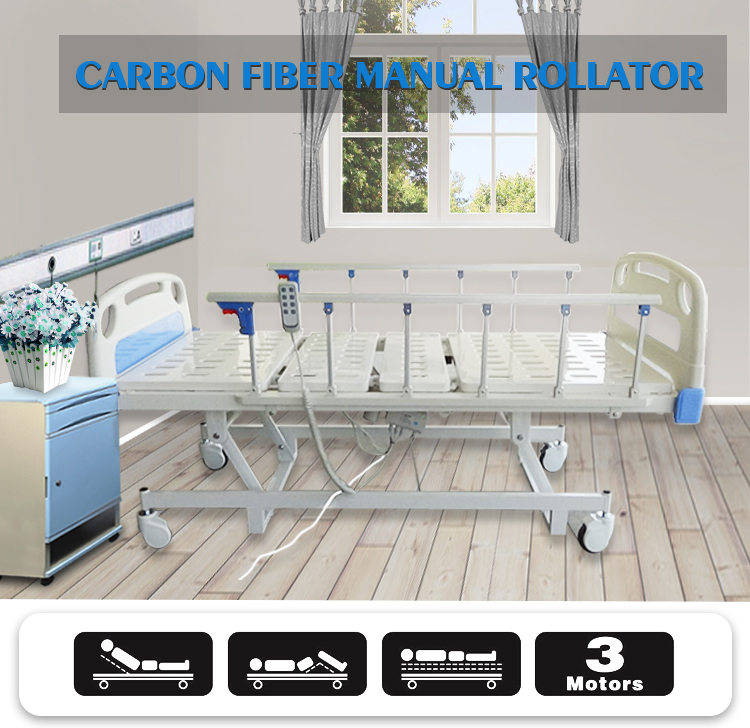
Which devices are similar to electric ICU beds and also classified as medical devices?
For better understanding, we can compare electric ICU beds with other medical furniture-type devices.
Equipment Type | Is it a medical device? | Usage Instructions |
| Standard household bed | No | For daily rest only, no medical function |
| Manual nursing bed | Yes (Class I) | For medical care, with adjustable posture |
| Electric hospital bed | Yes (Class II) | For use in a medical environment, with electric adjustment function |
| Electric ICU bed | Yes (Class II medical device) | For intensive care, equipped with multi-functional and safety systems |
| Operating table | Yes (Class II or III) | For surgical platforms |
| Delivery bed / Dialysis bed | Yes | Specifically designed for particular medical procedures |
Thus, electric ICU beds are not only included in medical device management like operating tables and nursing beds, but also require higher safety standards due to their special usage environment and complex functions.
What medical device certifications are required for electric ICU beds?
Since electric ICU beds are medical devices, their production, sales, and use must comply with relevant regulations.
1. Product registration or filing
Manufacturers need to apply for a medical device registration certificate from the National Medical Products Administration (NMPA) or other regional regulatory authorities.
2. Quality Management System (ISO 13485)
This international standard is specifically for medical device manufacturers, ensuring that the entire process from design to factory delivery is controllable and safe.
3. Electrical Safety and Performance Testing
According to the IEC 60601 series standards, electrical systems, mechanical strength, grounding protection, leakage current, and other indicators are tested.
4. CE, FDA, and other International Certifications
If exported to European and American markets, it must also comply with CE MDR (European Medical Device Regulation) or US FDA 510(k) requirements.
Only electric ICU beds that have passed the above certifications can be legally used in medical institutions.
What is the difference between an electric ICU bed and a regular electric bed?
Although both have electric adjustment functions, electric ICU beds are more professional in terms of design purpose, structural strength, and control system.
Comparison Items | Electric Hospital Bed | Electric ICU Bed |
| Operating Environment | Suitable for general wards and rehabilitation facilities | Intensive Care Unit (ICU) |
| Functional Complexity | Basic electric adjustment | Multi-position, electric tilt, CPR mode |
| Security System | Anti-pinch and limit protection | Emergency stop, anti-slip, anti-electric shock system |
| Control Method | Remote or manual control | Medical control panel + one-touch preset positions |
| Compatible Devices | Includes IV pole and bedside table | Compatible with ventilators, monitors, defibrillators, etc. |
| Certification Standards | Meets standard medical requirements | Medical device IEC 60601-2-52 special standard |
Therefore, electric ICU hospital beds have stronger medical attributes and must be included in the medical device regulatory system, rather than being managed as general furniture.
The Importance of Electric ICU Beds in Hospital Management
Including electric ICU hospital beds in medical device management is not only a legal requirement but also an important measure to ensure medical safety.
1. Guaranteeing Patient Safety
Through standardized certification and regular maintenance, electrical failures and mechanical risks are reduced.
2. Improving Medical Efficiency
Standardized equipment helps medical staff become familiar with operating procedures and improves the quality of care.
3. Facilitating Quality Traceability
The medical device registration number allows for tracing product origin, batch, and after-sales records, ensuring that problems can be traced.
4. Compliance with Regulations
Hospitals must use registered and certified medical devices during procurement, acceptance, and use to ensure legality and compliance.
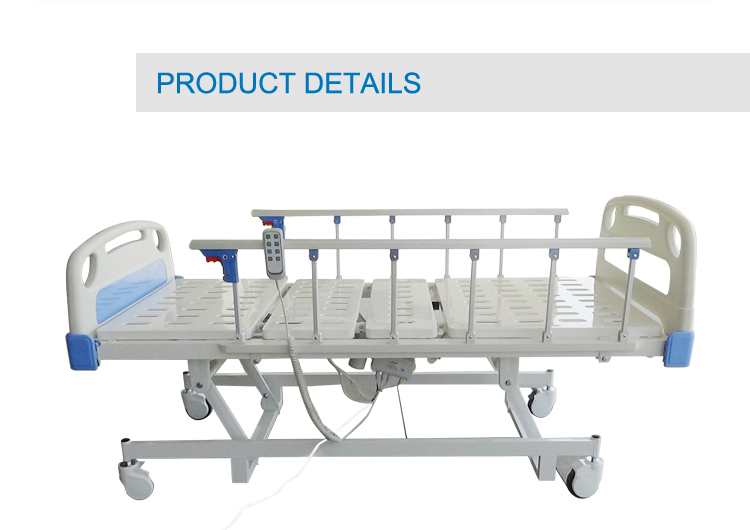
Electric ICU Beds are Medical Devices
✅ Electric ICU beds are medical devices and are generally classified as Class II medical devices.
It is not just a bed, but an important component of the medical monitoring system. Its functions directly serve disease treatment and care, and play a crucial role in patient safety; therefore, it must follow the design, production, and regulatory standards of medical devices.
Whether it is hospital procurement, manufacturer production, or use management, it should be strictly implemented according to medical device standards.
How does Dayang Medical ensure compliance with international standards?
All products are manufactured under ISO13485, ISO9001, FDA, and CE certifications, ensuring compliance with international medical device standards. Buyers who purchase from our factory can confidently sell or use the products in regulated markets. We provide factory quotes, wholesale prices, and promotional discounts, ensuring cost-effectiveness without compromising on quality.
This makes Dayang Medical a trusted manufacturer and supplier in China for global distributors and healthcare providers seeking high quality medical equipment.