

—Why is wheelchair material so crucial to durability?
Wheelchairs are not only daily mobility aids for people with mobility impairments, but they also directly impact user comfort and safety.
As a core component of a wheelchair, the material plays a decisive role in durability, weight, load-bearing capacity, and maintenance costs:
• Durability determines how long a wheelchair can be used, preventing deformation or damage;
• Weight affects ease of movement, especially for the elderly or those requiring assistance;
• Load-bearing capacity affects safety;
• Corrosion resistance determines lifespan in long-term outdoor or humid environments.
Therefore, choosing a wheelchair made of the appropriate material is crucial for ensuring safety and long-term cost-effectiveness.
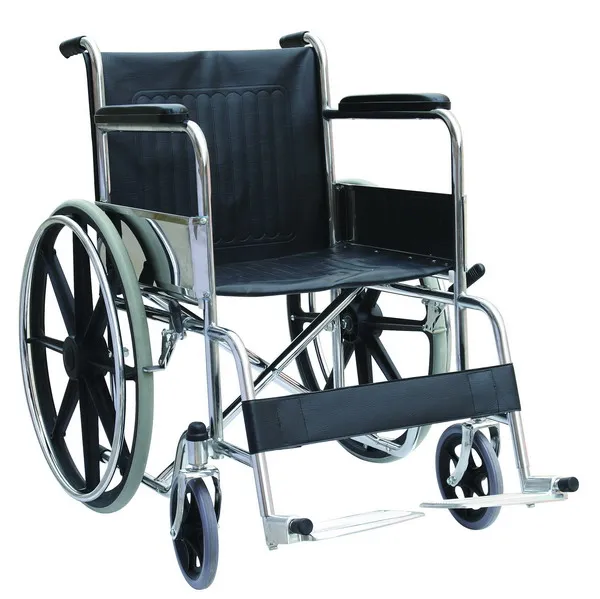
What are the basic characteristics of aluminum and steel wheelchairs?
When purchasing wheelchairs, the most common materials are aluminum alloy and steel. They each have their own characteristics:
Material Types | Advantages | Disadvantages |
| Aluminum wheelchairs | Lightweight, corrosion-resistant, and easy to handle | Slightly lower load-bearing capacity, relatively high price |
| Steel wheelchairs | Strong load-bearing capacity, robust structure, and low cost | Heavy, inconvenient to carry, prone to rusting |
1. Aluminum Wheelchair Characteristics
• Lightweight: Typically 30%-50% lighter than steel wheelchairs, making them easier to push;
• High Corrosion Resistance: Aluminum is not prone to rust, making it suitable for outdoor environments;
• Easy to Fold and Transport: Lightweight design suitable for travel or family use;
• Modern Appearance: The surface can be painted or anodized, making it aesthetically pleasing and scratch-resistant.
2. Steel Wheelchair Characteristics
• High Load-Bearing Capacity: Sturdy and durable, capable of supporting greater weight;
• Structural Stability: The thick frame reduces wobbling during use;
• Low Cost: Low manufacturing cost, making it economical;
• Easy Maintenance: Steel is easy to weld and repair damaged parts.
From a material perspective, aluminum wheelchairs prioritize lightweight and corrosion resistance, while steel wheelchairs prioritize load-bearing capacity and structural stability.
Are aluminum wheelchairs more durable than steel wheelchairs?
Durability depends not only on the material but also on the usage environment, load conditions, and daily maintenance.
Durability Analysis of Aluminum Wheelchairs
1). Strong Corrosion Resistance
• Aluminum does not rust and is not easily damaged even after prolonged contact with water or humid environments;
• Suitable for outdoor, humid environments, or bathroom use.
2). Limited Strength
• Aluminum is not as hard as steel and is easily deformed under overload or severe impact;
• May bend or fatigue under long-term heavy loads.
3). Simple Maintenance
• Low cleaning and maintenance requirements, no need for regular rust prevention treatment;
• Lighter weight reduces the risk of damage from handling and collisions.
Overall, aluminum wheelchairs are more durable than steel wheelchairs in corrosive environments, but slightly inferior in high-load strength.
Durability Analysis of Steel Wheelchairs
1). High Load-Bearing Capacity
• The steel frame is sturdy, suitable for heavier users or users requiring stable support;
• The frame is not easily bent after prolonged use, and its mechanical strength is superior to aluminum.
2). Prone to Rust
• Prolonged exposure to humid environments or liquids can cause steel wheelchairs to corrode, reducing their lifespan.
• Regular application of anti-rust paint or keeping them dry is necessary.
3). Easy Maintenance
• Steel is easy to weld or replace parts, and even if damaged, it is easy to repair.
• The structure maintains good stability over long-term use.
Overall, steel wheelchairs are more durable than aluminum wheelchairs under high load and heavy-duty conditions, but their lifespan may decrease in corrosive environments.
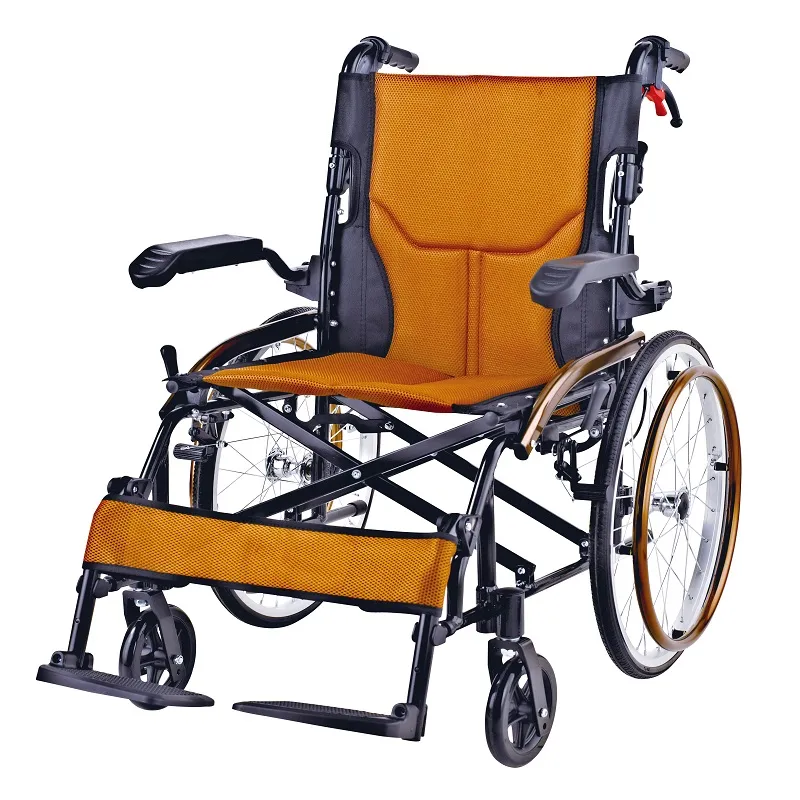
What are the key differences in durability between aluminum and steel wheelchairs?
Comparison Dimensions | Aluminum wheelchairs | Steel wheelchairs |
| Weight | Lightweight and easy to move | Heavy, difficult to push |
| Corrosion Resistance | Excellent, rust-resistant | Poor quality, requires rust prevention treatment |
| Load Capacity | Medium weight, heavier users should exercise caution | High weight capacity |
| Impact Resistance | Easily bends and deforms | High weight, sturdy frame |
| Ease of Maintenance | Relatively difficult to weld, but parts can be replaced | Easy to weld, simple to repair |
| Suitable Operating Environment | Suitable for both indoor and outdoor use, especially in humid environments | Primarily suitable for indoor or dry environments |
As the table comparison shows, aluminum wheelchairs have better corrosion resistance, while steel wheelchairs have stronger load-bearing capacity. Durability depends on user needs and environmental conditions.
What usage scenarios are aluminum wheelchairs suitable for?
• Users with high lightweight requirements: The elderly, those recovering from illness, or those who frequently need wheelchair transport;
• Outdoor use: Highly corrosion-resistant, suitable for rainy or humid environments;
• Short trips or travel: Lightweight and foldable, easy to carry in cars or on public transport;
• Low to moderate load-bearing users: Weighing around 80-100kg, aluminum wheelchairs can be used for extended periods without causing fatigue.
✅ Summary: The durability of aluminum wheelchairs lies in their corrosion resistance, lightweight design, and ease of maintenance.
What usage scenarios are steel wheelchairs suitable for?
• High load-bearing requirements: Users with greater weight or requiring additional support;
• Long-term indoor use: Suitable for use in hospitals, nursing homes, or homes;
• Frequent users: Due to its robust structure, it is suitable for frequent and prolonged use;
• Scenarios requiring easy repair: Steel wheelchairs can be welded and repaired after damage, extending their lifespan.
✅ Summary: The durability of steel wheelchairs lies in their strong load-bearing capacity, stable structure, and ease of repair.
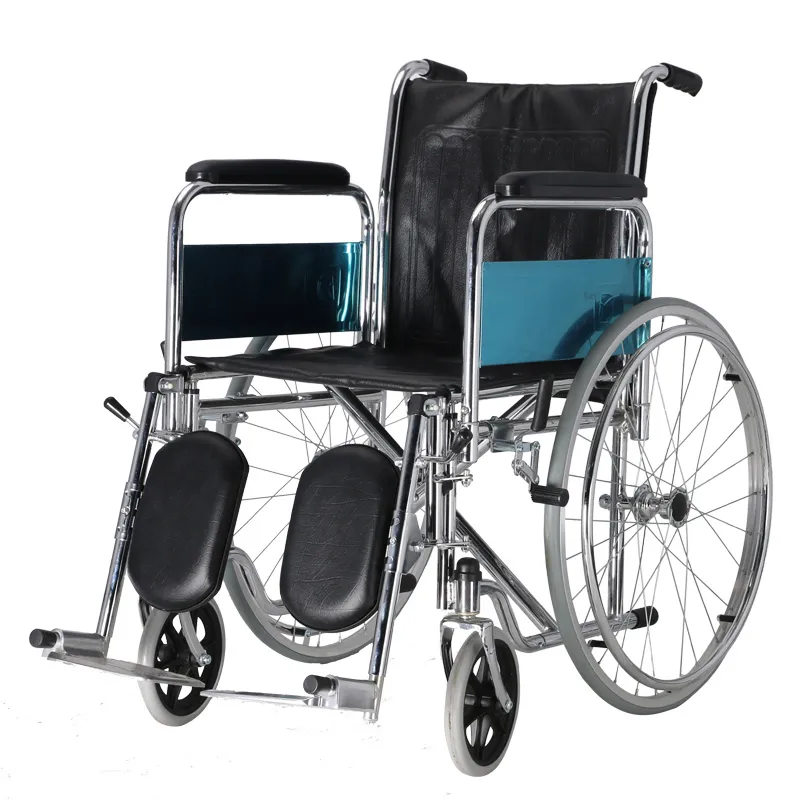
Which is more durable, aluminum or steel wheelchairs? How to choose?
Durability is influenced by multiple factors: material, user weight, usage environment, and maintenance.
From a material perspective:
• Aluminum wheelchairs: Corrosion-resistant, lightweight, suitable for outdoor use or frequent transport, but with limited load-bearing capacity;
• Steel wheelchairs: Strong load-bearing capacity, robust structure, suitable for long-term indoor use, but prone to rust and heavier.
Selection Recommendations:
• If the user is lightweight and needs to travel or move frequently → aluminum wheelchairs are more durable;
• If the user is heavier and uses the wheelchair primarily indoors → steel wheelchairs are more durable;
• Limited maintenance capabilities → aluminum wheelchairs offer less hassle;
• Ease of repair is paramount → steel wheelchairs are more convenient.
✅ Key Conclusion:
"There is no absolute superiority in durability between aluminum and steel wheelchairs; the most suitable material should be chosen based on the user's weight, usage environment, and maintenance capabilities."
How to extend the lifespan of aluminum and steel wheelchairs?
1. Regular Cleaning
• Aluminum wheelchairs: Clean surface dust and dirt to maintain a smooth and lightweight feel.
• Steel wheelchairs: Protect against rust and corrosion, paying particular attention to screws and welded areas.
2. Keep Dry
• Avoid prolonged contact between steel wheelchairs and water or humid environments.
• Aluminum wheelchairs are highly corrosion-resistant, but should still be dried in damp environments.
3. Regular Part Inspection
• Regularly check axles, brakes, seats, and armrests for looseness or wear.
• Replace damaged parts promptly to prevent structural fatigue.
4. Reasonable Loading
• Avoid overloading to prevent bending of aluminum wheelchairs or excessive stress on welded areas of steel wheelchairs.
5. Avoid Collisions and Falls
• Ensure a safe environment for wheelchair use to reduce damage to the frame from accidental impacts.
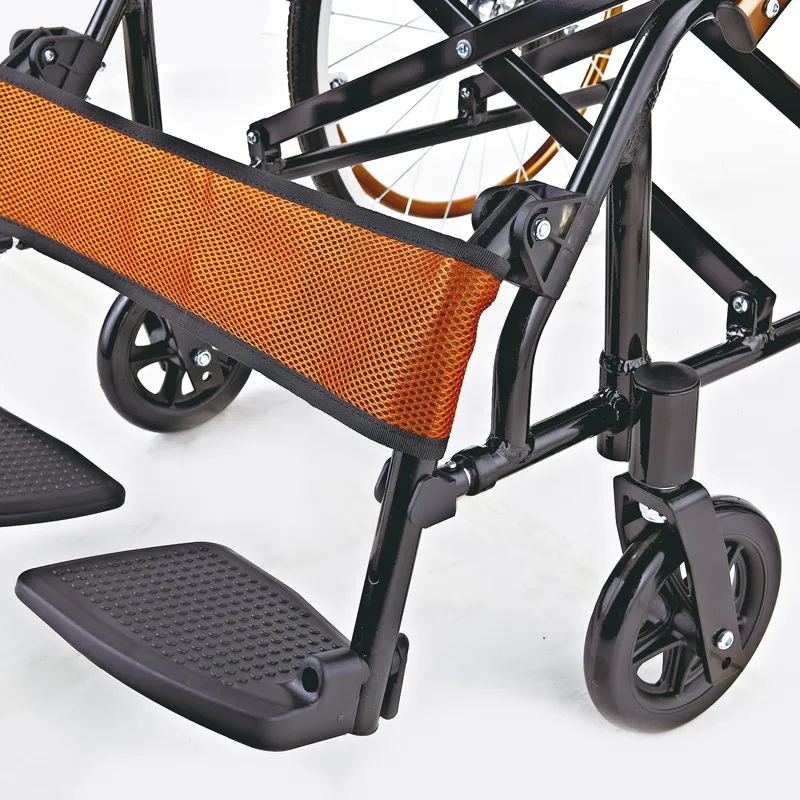
Which is more durable: aluminum or steel wheelchairs?
• Durability advantages of aluminum wheelchairs: corrosion resistant, lightweight, and easy to maintain, suitable for outdoor use and environments with frequent movement.
• Durability advantages of steel wheelchairs: strong load-bearing capacity, robust structure, and easy maintenance, suitable for long-term indoor use.
Overall recommendation:
Choose the most suitable material based on the user's weight, activity environment, and maintenance conditions.
Does Dayang Medical provide technical documentation for importing?
Yes, we provide all necessary documents for international importing, including certificates, test reports, packing lists, manuals, and invoices. As a knowledgeable supplier, we support buyers throughout the entire import process, helping them purchase products smoothly from China.
Our factory ensures all products meet global compliance, making importing easier for distributors and brands. Buyers also benefit from transparent quotes, wholesale prices, and discount promotions for bulk orders.