

After sustaining a leg fracture, choosing the most suitable wheelchair is a critical factor influencing the quality of recovery, personal comfort, and mobility safety. Whether you are temporarily unable to bear weight on the leg or require long-term protection for the limb, selecting the right wheelchair can effectively minimize the risk of secondary injury and significantly enhance convenience in daily life.
Among the many types of wheelchairs available, electric wheelchairs and lightweight manual wheelchairs are the two primary categories most frequently considered by patients with fractures. So, which type of wheelchair is truly the best choice after a leg fracture? What factors should be evaluated when making this decision? And what specific usage details require particular attention?
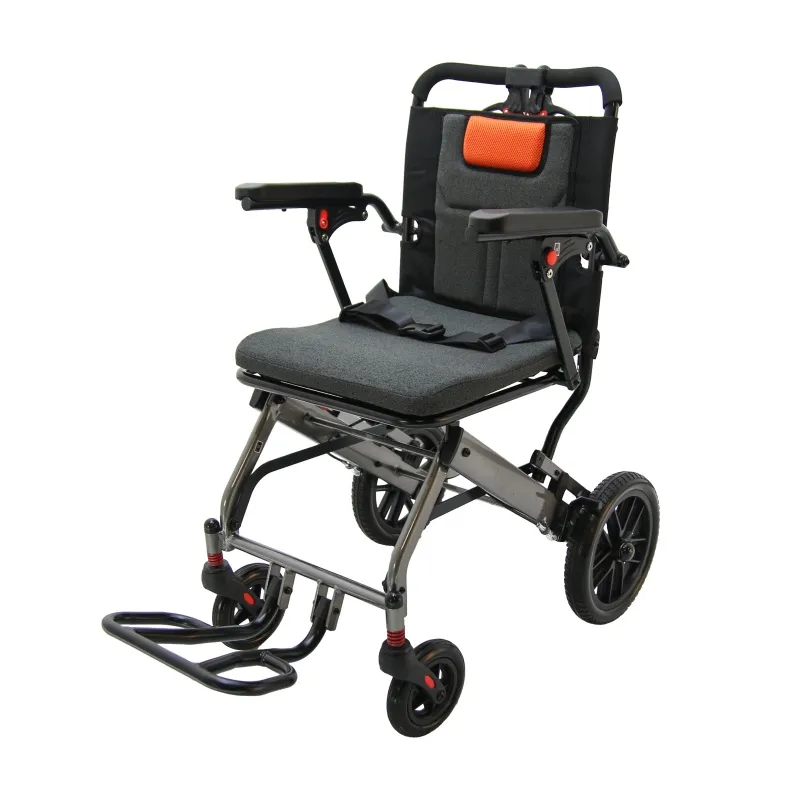
Is a Wheelchair Necessary After a Leg Fracture?
Whether or not to use a wheelchair after a leg fracture depends heavily on the specific location of the fracture, the method of immobilization, weight-bearing restrictions, and individual lifestyle requirements.
Generally speaking, the use of a wheelchair is often recommended for the following categories of fracture patients:
• Those who need to maintain a non-weight-bearing status for an extended period.
• Those whose fracture requires a cast or brace that completely restricts leg movement.
• Those who experience pain or a sense of instability when using crutches.
• Elderly individuals or those with limited physical strength for whom using crutches poses a risk of falling.
• Patients who are required to travel over long distances.
A wheelchair provides stable support, allowing the injured leg to remain free of weight-bearing stress while simultaneously reducing pain and discomfort during movement—offering distinct advantages during the initial stages of recovery.
Is an Electric Wheelchair Suitable for a Leg Fracture?
Many patients find themselves asking after a fracture: "Should I opt for an electric wheelchair?"
Typical Scenarios Where an Electric Wheelchair Is Ideal
Electric wheelchairs feature powerful drive systems that allow for fully motorized propulsion via a controller; they are particularly well-suited for the following situations:
• When the fracture results in severely limited mobility.
• When independent travel is required, making it inconvenient to rely on others to push the chair.
• When upper-body strength is insufficient or the arms/shoulders are injured.
• When the goal is to minimize fatigue in the arms and shoulders.
• When frequent movement is required in both indoor and outdoor environments.
For patients with fractures, the greatest value offered by an electric wheelchair lies in its "effort-saving" capabilities and "high stability."
Core Advantages of Using an Electric Wheelchair During Leg Fracture Recovery
1. Reduced Vibration and Shaking
High-quality electric wheelchairs are equipped with suspension or cushioning systems that minimize unnecessary vibrations, thereby creating a gentler and more comfortable environment for the fractured limb.
2. Conserves Physical Energy
It eliminates the need for manual propulsion, preventing overuse of the arms and shoulders—making it particularly suitable for patients who are physically weak following surgery.
3. Better Suited for Long-Distance Travel
In areas requiring significant movement—such as shopping malls, long corridors, or parks—an electric wheelchair can significantly enhance comfort.
4. Agile Maneuverability
Electric wheelchairs are easier to maneuver in confined spaces, such as bedrooms, bathrooms, and hospital rooms.
Potential Considerations for Electric Wheelchairs
However, electric wheelchairs are not suitable for every patient with a bone fracture:
• The unit itself is relatively heavy, making it difficult to lift or transport.
• Large models may not be suitable for indoor environments with very narrow spaces.
• The cost is higher than that of lightweight manual wheelchairs.
Therefore, if the primary need is for short-term use—and the environment consists mostly of confined spaces—an electric wheelchair may not be the best first choice.
Another highly popular option is the lightweight manual wheelchair.
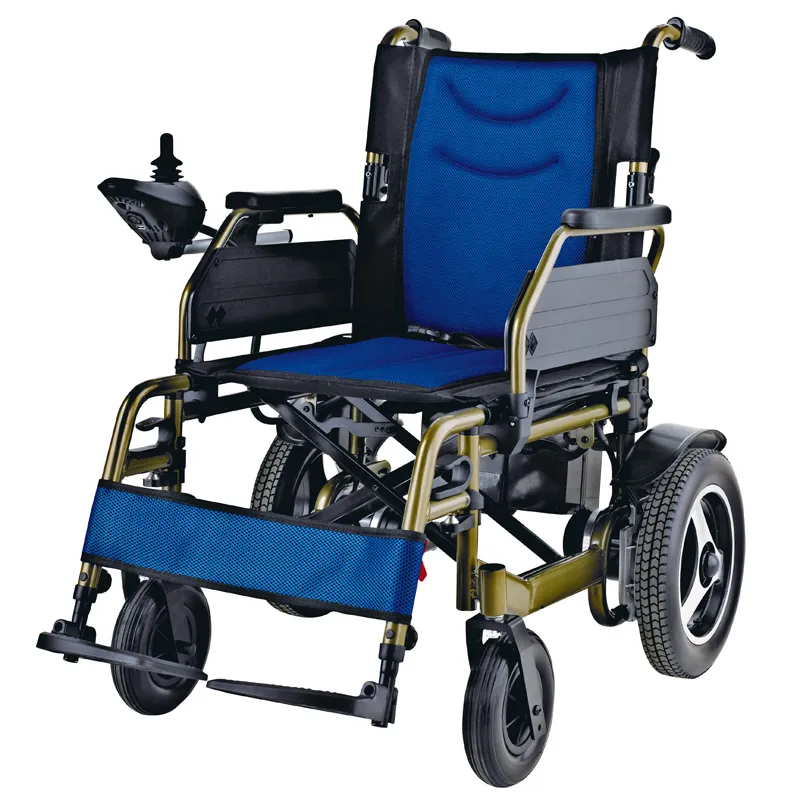
What is a Lightweight Manual Wheelchair?
A lightweight manual wheelchair is a lighter version of the traditional wheelchair. It typically weighs between 14 and 17 kilograms, with some "ultra-light" models weighing less than 10 kilograms; this makes them easy to fold, carry, and store.
Why are Lightweight Manual Wheelchairs Suitable for Patients with Leg Fractures?
1. Stable and Reliable
Lacking complex electronic systems or motors, the structure is simple, resulting in a lighter and smoother movement experience.
2. Suitable for Short-Term or Short-to-Medium Distance Use
If the recovery period for the fracture is relatively short, a lightweight manual wheelchair can meet the vast majority of daily mobility needs.
3. Easy to Fold and Transport
This is particularly convenient for patients who need to load the chair into a car, use public transportation, or frequently travel out for medical appointments.
4. Highly Adaptable
Indoor environments are generally better suited for lightweight manual wheelchairs due to their compact size and superior maneuverability.
5. Lower Cost
For patients who do not require long-term reliance on a wheelchair, this represents a more economical choice.
Limitations of Using Lightweight Manual Wheelchairs
However, lightweight manual wheelchairs do have certain limitations that you should be aware of in advance:
• They require assistance from another person to push (unless the user possesses sufficient upper-body strength to propel themselves).
• Traveling long distances can be physically tiring.
• Vibrations become noticeable when traveling over uneven terrain.
• If one leg is fractured, the leg rest must be positioned at an appropriate angle to prevent undue pressure or compression.
Consequently, lightweight manual wheelchairs are best suited for patients with short-term fractures or those with adequate family support and caregiving assistance at home.
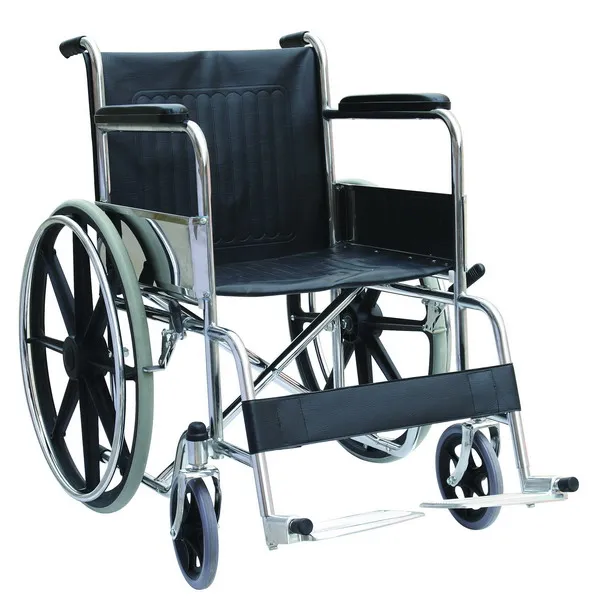
How to Determine Whether an Electric Wheelchair or a Lightweight Manual Wheelchair Is Right for You After a Leg Fracture?
When selecting a wheelchair, you can base your decision on the following key factors:
How far do you need to travel on a daily basis?
Your daily mobility requirements directly determine which type of wheelchair is the most suitable choice:
1. Primarily involving long-distance travel: An electric wheelchair is more appropriate.
For instance, if you frequently need to navigate through hospital floors, university campuses, long corridors, or shopping malls.
2. Primarily active within the home: A lightweight manual wheelchair is the superior choice.
In smaller living spaces, maneuvering a lightweight wheelchair is generally more convenient.
Do you have sufficient upper-body strength to propel the wheelchair?
This is another critical consideration:
If your upper-body strength is limited or you experience easy fatigue:
→ Choose an electric wheelchair to avoid overexertion of your muscles.
If you possess good upper-body strength and have assistance available:
→ A lightweight manual wheelchair will be sufficient for your daily needs.
Does the site of the fracture require leg elevation? Is a leg rest essential?
Certain leg fractures require the following:
• Complete elevation of the injured leg.
• Maintaining the leg at a specific, fixed angle.
• Preventing the knee joint from bending.
In such cases, a wheelchair equipped with an adjustable leg rest becomes absolutely vital.
The Advantages of Leg Rests on Electric Wheelchairs
Many electric wheelchairs can be configured with power-elevating leg rests, allowing the fractured leg to be maintained at a stable and consistent angle.
Lightweight Manual Wheelchairs Also Offer Compatible Leg Rests
However, you must ensure that the leg rest is sufficiently long and sturdy, and that it does not exert undue pressure on your foot or lower leg.
If you require prolonged leg elevation, you would be better served by choosing an electric wheelchair with a leg-elevating function, or a high-end lightweight manual wheelchair designed for such needs.
Is your living space spacious? Which type of wheelchair is best suited to your home's layout?
To be truly practical and effective, a wheelchair must be compatible with the specific environment in which it will be used.
1. Electric wheelchairs are suitable for:
• Spacious living rooms
• Hospital corridors
• Apartment elevators
• Shopping centers
• Outdoor paths
2. Lightweight manual wheelchairs are better suited for:
• Older buildings with narrow corridors
• Small bedrooms
• Rooms with door thresholds
• Floors without elevators (as they can be carried)
Spatial constraints are a crucial practical consideration.
Does your budget allow for it? Which type of wheelchair is the most economical?
Cost is a factor that cannot be overlooked when making a choice.
1. Lightweight manual wheelchairs: Affordable and economical
Generally lower in price, making them suitable for short-term use.
2. Electric wheelchairs: Ideal for long-term or frequent use
Although the initial cost is higher, they save effort and time, and offer superior comfort.
The recovery period for a bone fracture typically ranges from a few weeks to several months. If long-term use is not anticipated, a lightweight manual wheelchair is usually sufficient; however, if the fracture is severe, mobility is significantly impaired, or there is a high need for powered assistance, an electric wheelchair may actually prove to be the more cost-effective option.
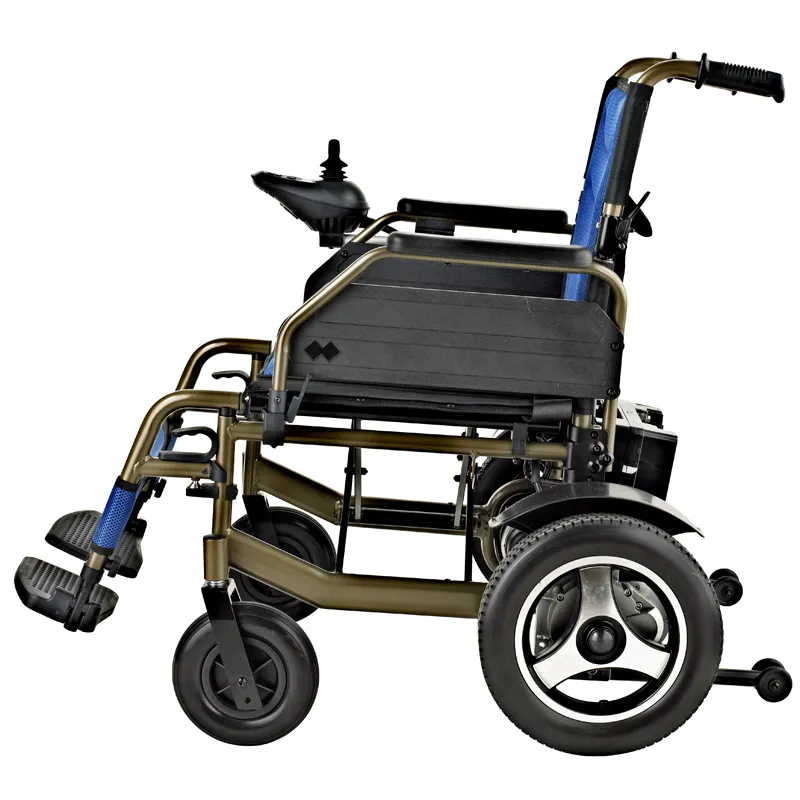
What specific details should patients with leg fractures look for when choosing a wheelchair?
Whether you choose an electric wheelchair or a lightweight manual model, the following criteria are essential:
1. Is the seat width and backrest size appropriate?
A seat that is too wide can be unstable, while one that is too narrow will be uncomfortable.
2. Is the leg rest length suitable?
It should prevent any pressure from being applied directly to the fractured area.
3. Is the seat cushion material designed to prevent pressure sores?
It is recommended to use a soft cushion or one specifically designed to prevent pressure ulcers.
4. Is the armrest height comfortable?
It should allow your shoulders to remain relaxed to avoid secondary pain or discomfort.
5. Does the weight of the wheelchair affect its portability?
This is a particularly important consideration for those living in multi-story buildings or those who need to travel frequently.
Between electric wheelchairs and lightweight manual wheelchairs, which is the best choice for a patient with a leg fracture?
The final decision should be based on the following clear principles:
✔ If you require "effortless mobility, frequent outings, or long-distance travel":
An electric wheelchair is the optimal choice.
✔ If you only require short-term use, have assistance available, and your mobility is limited to a small area:
A lightweight manual wheelchair is the most suitable option.
✔ If your fracture requires leg elevation or maintaining a specific, fixed angle:
Regardless of whether you choose an electric or manual wheelchair, you must ensure that it features a leg-elevating function.
✔ If your living space is confined and you frequently need to transport the wheelchair:
A lightweight manual wheelchair is a more practical choice.
In other words:
Electric Wheelchairs — Enhance efficiency and comfort
Lightweight Manual Wheelchairs — Meet basic mobility and daily living needs