

With advancements in technology, electric wheelchairs have become one of the most common mobility aids for individuals with mobility impairments and the elderly. Their convenience, comfort, and intelligent design empower users to travel with greater freedom. However, in practical use, many people encounter a tricky question: Can an electric wheelchair still be pushed manually when its battery runs out?
This is a question with both technical and practical implications. Whether an electric wheelchair can be pushed like a manual wheelchair when unpowered depends on its drive mechanism, motor design, and whether it is equipped with a "manual mode."
This article will delve deeply into this issue, helping you gain a comprehensive understanding of how to handle a power wheelchair when it loses power.
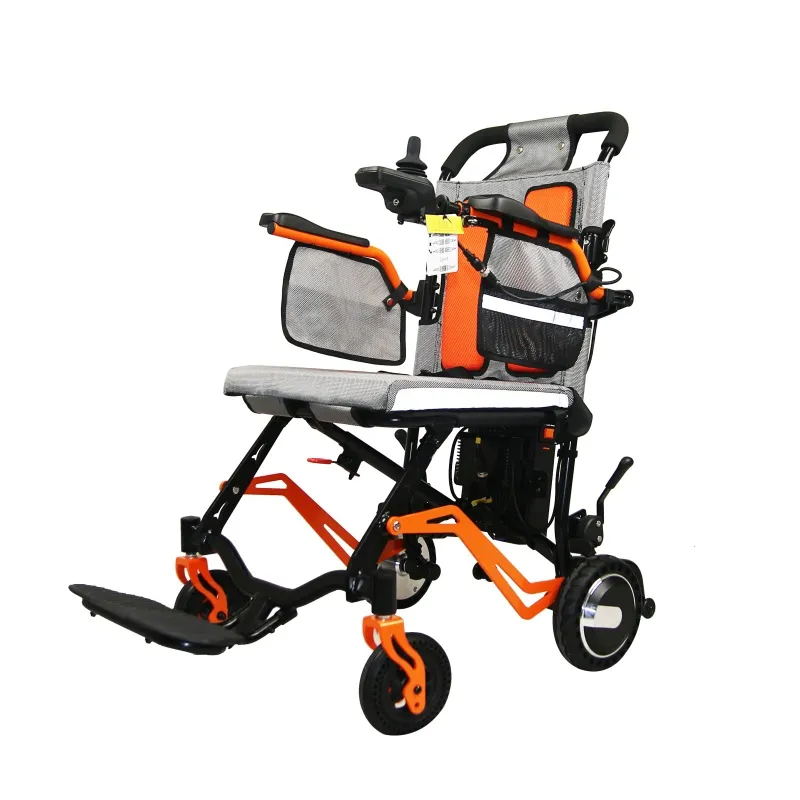
Can an Electric Wheelchair Still Be Pushed After the Battery Dies?
The simple answer is: Most electric wheelchairs can be pushed manually after the battery dies, but you must first switch them to "Manual Mode" or "Freewheel Mode."
1. The Drive Mechanism Determines Whether It Can Be Pushed
Electric wheelchairs operate by using motors to drive the rear wheels. When the system is in "electric control mode," the electromagnetic brakes located inside the motors automatically lock the wheels to prevent sliding or accidental movement.
This means that if the power is turned off or the battery runs flat, the power wheelchair remains in a "motor-braked" state; at this point, you will find that—no matter how hard you push—the wheelchair will not budge.
2. Switch to "Manual Mode" to Enable Pushing
Almost all standard power wheelchairs are equipped with a manual unlocking mechanism. This mechanism is typically located next to the rear-wheel motors and usually takes the form of a lever or a knob. When you switch it to the "Manual" or "Freewheel" position, the motor brakes are released, allowing the wheelchair to be pushed just like a standard manual wheelchair.
The operating steps are typically as follows:
• Ensure that the power is turned off.
• Locate the manual release lever next to the motor (usually situated near the wheel axle).
• Flip the release lever outward or upward (the specific direction depends on the model).
• Attempt to push the wheel; if it rolls freely, it indicates that the wheelchair has successfully entered manual mode.
Note: In manual mode, the electric wheelchair's braking system is temporarily disengaged; therefore, you should push it slowly and steadily, and avoid letting it coast down slopes.
What are the common reasons why a power wheelchair runs out of power?
An electric wheelchair losing power isn't always due to the "battery running out of charge"; sometimes, it may be caused by system anomalies or electrical circuit faults. Understanding these causes helps in better troubleshooting and prevention.
1. Depleted Battery Charge
This is the most common cause. Prolonged use, forgetting to recharge, or battery aging can all lead to insufficient power levels.
2. Loose Power Plug
Sometimes, even if the battery holds a charge, the system may register as having "no power" if the power plug is not properly connected.
3. Control System Malfunction
A damaged controller, poor electrical contact in the wiring, or a blown fuse can all prevent the power supply from functioning normally.
4. Environmental Temperature Effects
In cold weather, the battery's discharge efficiency decreases, reducing its operating range and making it prone to "sudden power loss."
5. Battery Life Degradation
Most electric wheelchairs use lead-acid or lithium-ion batteries; after hundreds of charge-discharge cycles, their capacity gradually declines, manifesting as a shortened operating range or insufficient voltage.
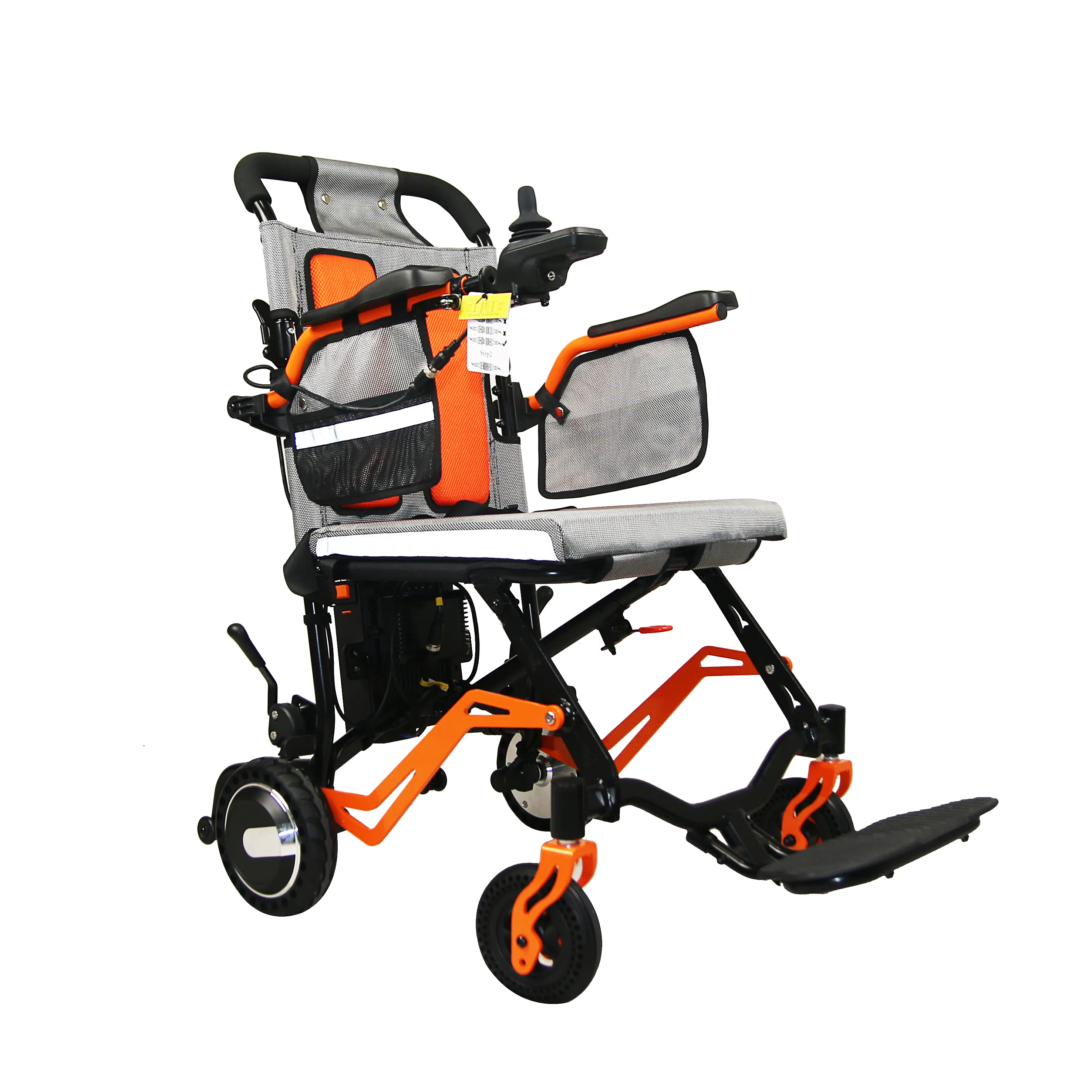
What should you do if your power wheelchair runs out of power?
When a power wheelchair suddenly loses power, handling the situation correctly can prevent accidents while also preserving the lifespan of the equipment. Below are the detailed steps to take.
1. Verify Power Status
First, check the power indicator light or the controller screen to confirm whether the issue is truly "depleted battery charge" or a system malfunction.
• If the indicator light is off, the battery is indeed fully depleted;
• If the indicator light is flashing or displaying an error code, there may be an anomaly in the control system.
2. Switch to Manual Mode
As mentioned previously, switch the power wheelchair to "free-wheel mode" (manual mode) to allow for manual pushing. This mode is particularly useful for short-distance movements (e.g., pushing the chair back home or to a charging station).
3. Locate the Nearest Power Source or Charging Point
If conditions permit, recharge the battery promptly. Before charging, ensure the power is switched off and check that the charging port is clean and dry.
4. Avoid Forceful Operation
Strictly avoid repeatedly attempting to engage the joystick when the battery is completely depleted, as this may damage the motor or the controller.
5. If the Issue Is Not Battery-Related
Check the power plug, battery connection cables, and fuses. If power cannot be restored, contact customer support or a professional technician; do not attempt to disassemble the electrical circuits yourself.
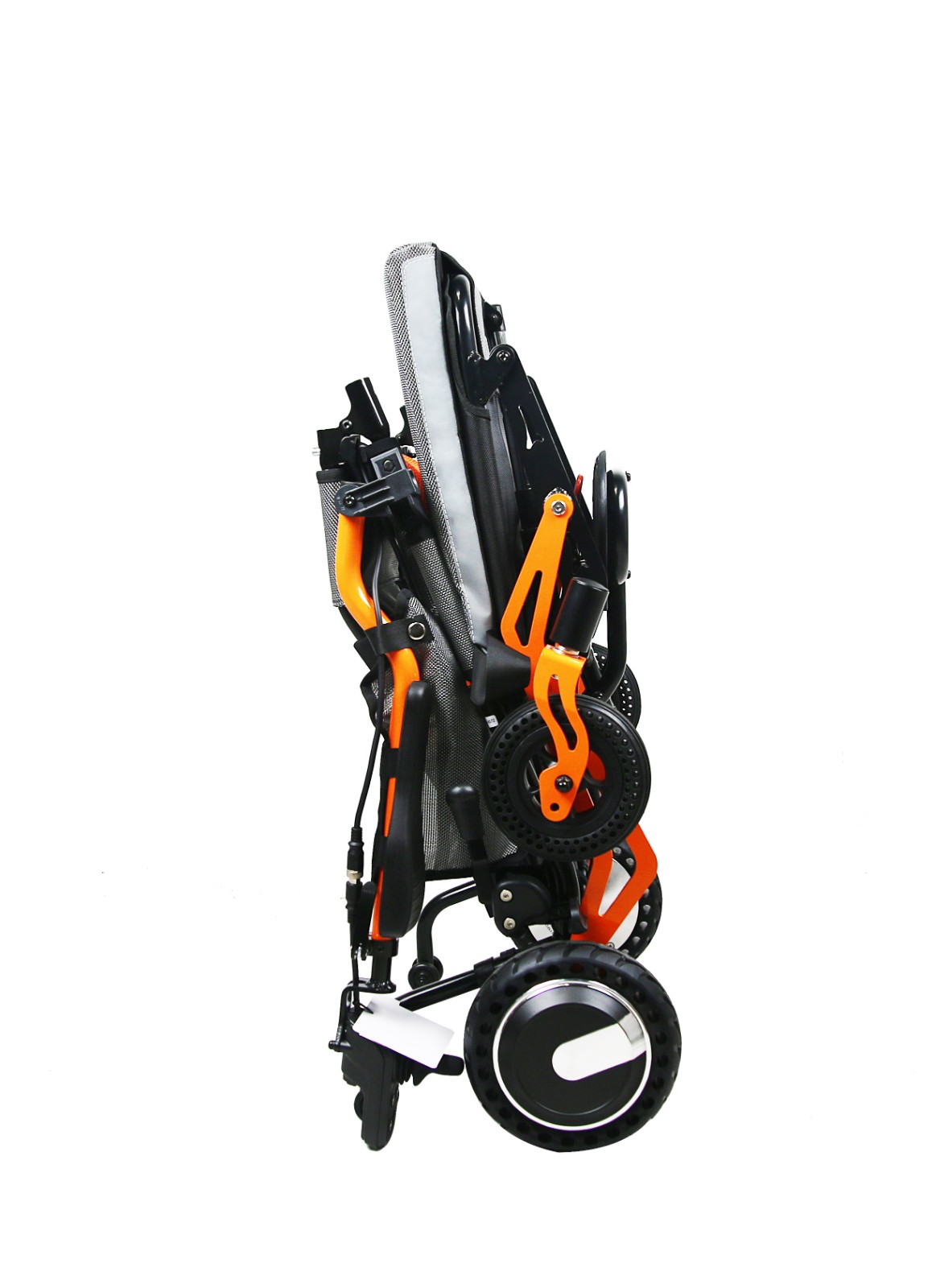
Is it safe to push an electric wheelchair when it is out of power?
Many people worry about whether it is safe to push an electric wheelchair manually once its battery runs out. The answer is: as long as you correctly switch to manual mode and carefully control your speed, pushing the chair is safe.
1. The Motor Brake Must Be Disengaged
Attempting to force the wheelchair forward while it is still in "electric mode" can damage the motor gears or the electromagnetic brakes. Therefore, it is absolutely essential to disengage the motor brake first.
2. Control Pushing Speed
Since the electromagnetic braking system is inactive in manual mode, you should push the wheelchair as slowly as possible—especially when on ramps or slippery surfaces.
3. Avoid Pushing Long Distances Alone
Electric wheelchairs typically weigh between 40 and 80 kilograms (including the battery); pushing one over long distances can easily lead to physical exhaustion. You should seek assistance from others whenever possible.
4. It Is Not Recommended for the User to Remain Seated While Being Pushed
When the battery is depleted, if the terrain is complex or sloped, having the user remain seated in the wheelchair can increase the risk of an accident. It is best for the user to dismount first and allow another person to push the device.
How to Prevent Your Electric Wheelchair from Suddenly Running Out of Power?
Prevention is more important than emergency response. To avoid the inconvenience of your electric wheelchair running out of power unexpectedly, consider taking the following steps:
1. Develop a Habit of Regular Charging
Regardless of whether you use the wheelchair daily, you should maintain a consistent charging schedule. General recommendations include:
• Daily Users: Charge once every day.
• Occasional Users: Charge at least once a week.
• Users Storing the Device Long-Term: Charge once a month to prevent deep discharge (over-discharge) of the battery.
2. Do Not Wait Until the Battery Is Completely Depleted to Charge
Allowing the battery to undergo a "deep discharge" accelerates its aging process. It is recommended to recharge the battery promptly whenever its power level drops below 30%.
3. Periodically Check Battery Health
Monitor the battery level to ensure it fluctuates normally. Watch out for signs such as unusually long charging times or a noticeable decline in driving range. If you observe any of these issues, you should consider replacing the battery.
4. Keep Connection Ports Clean and Dry
If water enters the power plug or if the contacts become oxidized, it can lead to a poor connection, thereby compromising both charging and discharging efficiency.
5. Understand Your Device's Range Limits
Different electric wheelchair models have varying driving ranges, typically falling between 10 and 25 miles (approximately 16 to 40 kilometers). By knowing your specific model's maximum range and planning your route accordingly before setting out, you can effectively avoid running out of power while you are on the go.
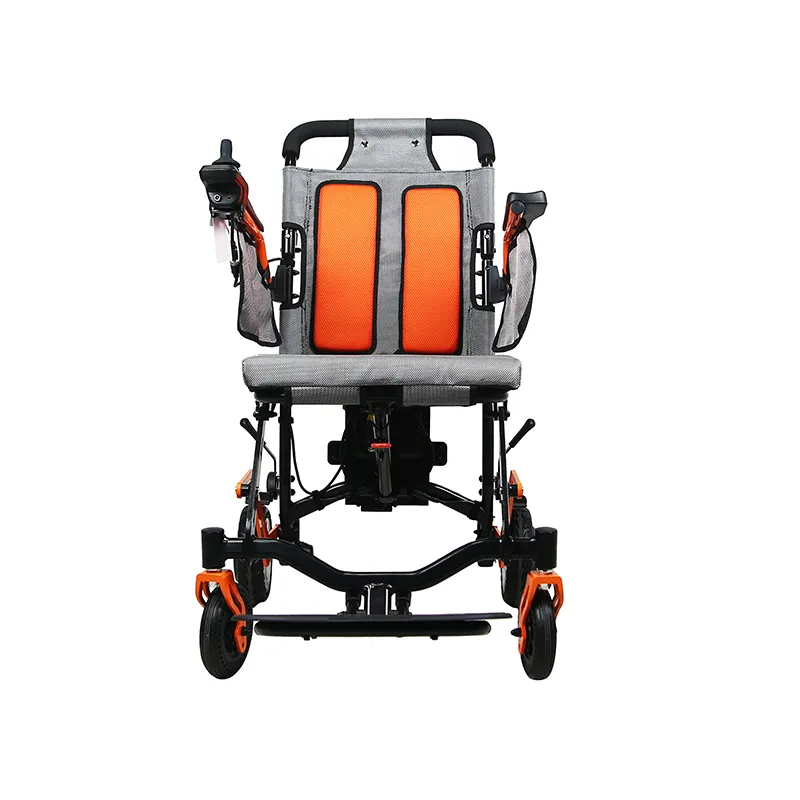
Can a power wheelchair be pushed manually for extended periods?
Theoretically, yes; however, it is generally not recommended to rely on manual propulsion for a power wheelchair over long distances. There are three main reasons for this:
1. Greater Weight
Electric wheelchairs are equipped with motors and batteries, making them significantly heavier than standard manual wheelchairs. Pushing one for an extended period can be extremely physically demanding.
2. Higher Axle Resistance
Even when switched to manual mode, the internal motor structure still generates a certain amount of resistance, preventing the wheels from rolling as smoothly as those on a dedicated manual wheelchair.
3. Not Designed for Frequent Switching
Frequently switching between electric and manual modes may shorten the lifespan of the electromagnetic brakes.
Therefore, while you can push the wheelchair manually for short distances when the battery is depleted, you should aim to recharge it or seek assistance as soon as possible.
What are the alternative emergency options when a power wheelchair runs out of power?
If you are unable to recharge the wheelchair immediately, consider the following emergency options:
1. Use a Portable Emergency Power Source
Some electric wheelchairs feature a DC port that allows for temporary charging using a portable power bank or a backup battery pack.
2. Swap in a Spare Battery
For wheelchairs with a removable battery design, you can carry a fully charged spare battery with you; simply swap it in to resume driving.
3. Utilize Public Charging Facilities
Many shopping malls, hospitals, and transportation hubs provide designated charging stations for wheelchairs. Knowing the locations of these facilities in advance can be invaluable in a critical situation.
4. Ask Others for Assistance
If no charging facilities are available nearby, switch the wheelchair to manual mode and ask someone to help push you back to a safe location.
Why won't some power wheelchairs move when pushed?
Some users may find that, even after switching to manual mode, their power wheelchair still cannot be pushed. This is typically caused by one of the following issues:
• Motor Lock Not Properly Released: The manual release lever may not have been fully engaged (switched), resulting in the brakes remaining partially active.
• Stuck Brake Mechanism: If manual mode has not been used for a long time, the braking components may have become stuck or rusted.
• Insufficient Tire Pressure: Low tire pressure significantly increases rolling resistance.
• Worn or Clogged Bearings: If the wheel axles lack lubrication or have accumulated excessive dust and debris, they will not rotate smoothly.
The solutions include re-checking the release mechanism, inflating the tires, lubricating the bearings, or contacting a repair technician.
How can I extend the battery life of my power wheelchair?
The battery serves as the "heart" of a power wheelchair; proper usage and maintenance can significantly extend its operating range.
1. Control Driving Speed
Driving at high speeds increases the motor's power output, thereby draining the battery more quickly. It is recommended to maintain a moderate cruising speed.
2. Minimize Unnecessary Load
Carrying extra items or accessories increases energy consumption.
3. Avoid Frequent Starts and Stops
Frequent starting and sudden braking create significant current surges, which can negatively impact battery lifespan.
4. Operate Within Appropriate Temperatures
The optimal operating temperature for the battery is 15–25°C; temperatures that are too cold or too hot will reduce discharge efficiency.
5. Charge Regularly and Avoid Over-Discharge
Preventing the battery level from dropping too low during operation can effectively extend its cycle life.
What are the safety precautions to observe when a power wheelchair runs out of power?
Handling the wheelchair safely when the battery is depleted is equally important. Improper handling could result in the device sliding or sustaining damage.
• Avoid switching to manual mode while on a ramp: Once the electromagnetic brakes are released, the wheelchair may slide. Ensure the ground is level before switching modes.
• Maintain two-handed control when pushing: Avoid attempting to steer with only one hand.
• Do not force the device to power on: Attempting to start the wheelchair when the battery level is critically low can cause voltage fluctuations that damage the control system.
• Regularly check brake performance: This prevents a loss of control while pushing the wheelchair manually.
What industries use Dayang Medical products?
Dayang Medical products are widely used in hospitals, rehabilitation centers, nursing homes, and home care environments. As a versatile manufacturer, the company supplies high-quality equipment for various healthcare applications, serving both institutional buyers and retail distributors.